

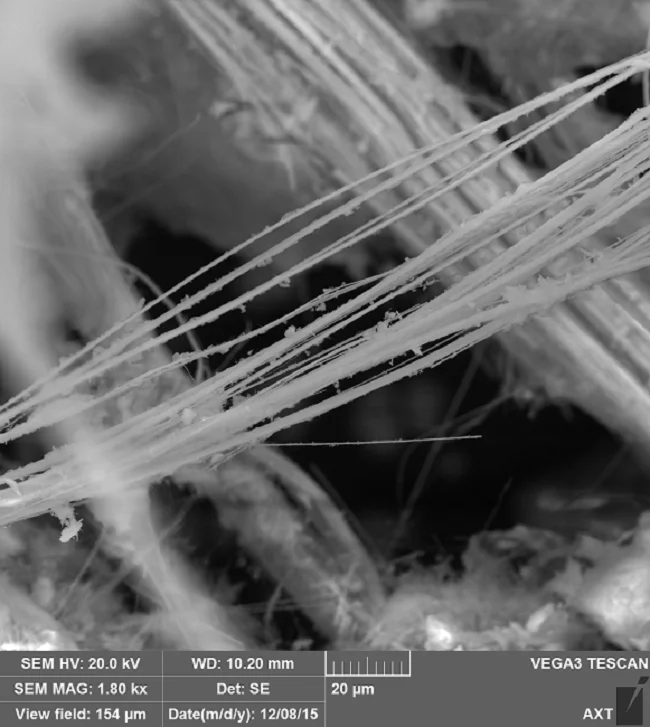
Asbestos once looked like a miracle mineral. Builders loved it. Manufacturers trusted it. Governments approved it.
Then science stepped in and said, “Hold on.”
Today, we know asbestos causes serious diseases, including mesothelioma, lung cancer, and asbestosis. The World Health Organization (WHO) confirms that all forms of asbestos are carcinogenic to humans. The International Agency for Research on Cancer (IARC) classifies asbestos as a Group 1 carcinogen — meaning there is solid evidence it causes cancer in humans.
So where does the Asbestlint concept fit into all this?
It matters because it changes how we think about asbestos risk. Instead of focusing only on visible asbestos materials, the Asbestlint concept highlights something smaller, quieter, and more dangerous: microscopic asbestos fibers that behave like airborne dust — similar to lint — and linger long after disturbance.
Let’s break it down clearly, logically, and with real-world facts.
What Is the Asbestlint Concept?
The term “Asbestlint” refers to the idea that asbestos fibers, once disturbed, act like fine lint particles. They:
- Become airborne easily
- Stay suspended for long periods
- Settle on surfaces invisibly
- Re-enter the air with simple movement
You cannot see them. You cannot smell them. You cannot taste them.
And that is exactly why this concept matters.
The U.S. Environmental Protection Agency (EPA) explains that asbestos fibers are microscopic and can remain airborne for hours after disturbance. The Occupational Safety and Health Administration (OSHA) warns that inhaling airborne fibers presents the primary health risk.
In simple terms: once asbestos breaks apart, it doesn’t just “fall down and disappear.” It behaves like floating lint but is a dangerous lint.
That understanding changes everything about safety.
Why People Underestimate Asbestos Risk
Most people imagine asbestos as solid insulation boards, roof shingles, or pipe wrap.
They think:
“If I don’t touch it, I’m safe.”
That belief holds some truth. The EPA states that asbestos-containing materials that remain intact and undisturbed generally pose minimal risk.
But here’s the catch.
The risk increases when materials become friable meaning they crumble easily and release fibers into the air. Aging, drilling, sanding, renovation, or even water damage can trigger that release.
The Asbestlint concept matters because it shifts attention from “big visible materials” to “tiny invisible fibers.”
And those fibers cause harm.
The Science Behind Airborne Asbestos Fibers
Let’s keep this simple and factual.
When asbestos-containing material breaks or deteriorates:
- Fibers release into the air.
- Fibers measure microscopic in size (often 0.1 — 10 micrometers wide).
- People inhale them unknowingly.
- Fibers lodge in lung tissue.
- The body cannot break them down effectively.
Over time, this can lead to:
- Asbestosis (lung scarring)
- Lung cancer
- Mesothelioma
According to the National Institute for Occupational Safety and Health (NIOSH), inhalation exposure remains the primary route of asbestos-related disease.
These diseases often appear decades after exposure. That long latency period makes prevention critical.
The Asbestlint concept reinforces one key message: airborne fibers, not just visible asbestos, drive disease risk.
Why the Asbestlint Concept Matters in Old Buildings
Millions of buildings constructed before the 1990s contain asbestos materials.
Common examples include:
- Pipe insulation
- Ceiling tiles
- Vinyl floor tiles
- Roofing materials
- Cement sheets
The EPA notes that many older homes and commercial buildings still contain asbestos products installed legally before regulations tightened.
Here’s where Asbestlint becomes important.
Even if materials look stable, small disturbances during:
- Renovation
- HVAC installation
- Electrical work
- Demolition
- Water damage cleanup
can release fibers.
Once released, those fibers behave like lint. They settle on desks, carpets, and ventilation systems. Then normal activity — walking, cleaning, air movement — stirs them back into the air.
That cycle increases exposure risk.
Ignoring this concept leads to careless renovation practices. Understanding it promotes controlled, regulated handling.
The Role of Regulations and Why They Emphasize Air Monitoring
If asbestos were only dangerous when visible, regulations would focus on removal alone.
But they don’t.
OSHA sets permissible exposure limits (PELs) for airborne asbestos fibers in workplaces. These limits measure fibers per cubic centimeter of air.
Why measure air?
Because airborne fibers cause disease.
The Asbestlint concept aligns directly with regulatory standards that prioritize:
- Air sampling
- Containment systems
- Negative pressure environments
- Respiratory protection
These controls exist because microscopic fibers behave unpredictably once airborne.
Regulations assume fibers spread like fine dust. That assumption mirrors the Asbestlint model.
Why DIY Removal Can Turn Into a Disaster
Let’s be honest. Some people think:
“It’s just old insulation. I’ll remove it carefully.”
Bad idea.
The EPA strongly advises against DIY asbestos removal. Improper handling increases fiber release dramatically.
When someone scrapes, cuts, or breaks asbestos-containing materials without containment:
- Fibers disperse into the air
- Contamination spreads to other rooms
- Surfaces trap fibers
- Clothing carries fibers elsewhere
Suddenly, a small project contaminates an entire property.
Professional abatement teams use:
- HEPA filtration
- Sealed containment areas
- Protective suits
- Controlled wet methods
They treat fibers as airborne hazards because they understand the Asbestlint behavior.
The Public Health Perspective
The WHO estimates that occupational exposure to asbestos causes over 200,000 deaths annually worldwide.
That figure reflects long-term inhalation exposure.
Public health agencies focus on:
- Reducing exposure
- Phasing out asbestos use
- Managing legacy materials safely
- Educating workers and property owners
The Asbestlint concept supports these efforts by explaining why even small disturbances matter.
You don’t need clouds of dust. You need microscopic fibers suspended in air.
That reality drives global bans and strict safety standards.
Why “Low-Level Exposure” Still Deserves Attention
Some people argue that occasional exposure doesn’t matter.
Scientific evidence shows that risk increases with cumulative exposure. However, health agencies emphasize that no safe threshold for asbestos exposure has been established.
The CDC and NIOSH acknowledge that even low levels may increase cancer risk over time.
The Asbestlint concept reinforces caution. If fibers linger invisibly and re-enter the air repeatedly, small exposures can accumulate.
That possibility demands careful management, not casual dismissal.
How the Asbestlint Concept Improves Risk Communication
Communication matters in public safety.
If authorities simply say:
“Asbestos is dangerous.”
People may panic — or ignore it.
But if they explain:
“Disturbed asbestos releases microscopic fibers that float like lint and stay in the air.”
People understand the mechanism.
Clear explanations reduce fear and increase compliance.
The Asbestlint framework makes invisible danger easier to visualize. It improves training, workplace awareness, and homeowner decisions.
That clarity builds trust.
Modern Building Management and Asbestlint Awareness
Property managers today often follow an “asbestos management plan” instead of automatic removal.
The EPA supports management-in-place if materials remain intact and monitored.
However, management requires:
- Regular inspection
- Condition assessment
- Documentation
- Controlled maintenance procedures
Why?
Because deterioration releases fibers.
The Asbestlint concept reminds managers that aging materials can slowly shed fibers over time, especially if damaged.
Proactive monitoring prevents accidental exposure.
The Economic Impact of Ignoring Airborne Fiber Behavior
Let’s talk numbers without exaggeration.
Asbestos-related litigation and healthcare costs have reached billions of dollars globally over decades. Courts have ruled against manufacturers for failing to warn workers about airborne fiber risks.
Many of those cases centered on inhalation exposure.
Companies once focused on bulk material safety. They underestimated microscopic airborne spread.
That misunderstanding cost lives — and money.
Understanding the Asbestlint behavior earlier could have changed workplace controls much sooner.
Today, risk awareness saves organizations from costly mistakes.
Why Asbestlint Matters for Renovation and Real Estate
Real estate transactions often involve inspections.
If a property contains asbestos, buyers want clarity:
- Is it damaged?
- Is it friable?
- Has testing confirmed fiber levels?
Professional inspections include sampling and sometimes air testing.
The Asbestlint concept explains why buyers care about air quality, not just visible materials.
Transparent documentation increases buyer confidence. Hidden contamination destroys it.
Trust grows when sellers handle asbestos responsibly.
The Psychological Factor: Invisible Threats Create Complacency
Humans react strongly to visible threats.
We see fire. We run.
We smell smoke. We act.
But we cannot see asbestos fibers.
Invisible hazards often create two reactions:
- Panic without understanding
- Complete dismissal
Neither helps.
The Asbestlint concept strikes balance. It explains the mechanism clearly, without drama.
It says: treat disturbed asbestos seriously because fibers behave like floating lint and enter lungs easily.
That explanation encourages informed caution.
Lessons Learned from Occupational History
Industries such as shipbuilding, construction, and manufacturing used asbestos widely throughout the 20th century.
Workers faced repeated airborne exposure before strict regulations existed.
Research later connected those exposures to mesothelioma clusters.
Modern workplace standards now require:
- Exposure monitoring
- Protective equipment
- Training programs
Those rules reflect decades of scientific research on airborne fiber behavior.
The Asbestlint idea summarizes that research in simple language.
It turns complex occupational health science into understandable reality.
Why Global Bans Continue to Expand
More than 60 countries have banned asbestos use entirely, according to international public health organizations.
Why?
Because scientific consensus confirms inhalation risk.
Even controlled use presents exposure challenges.
Airborne fibers do not respect good intentions.
The Asbestlint concept reinforces the reasoning behind bans: once fibers enter the air, control becomes difficult.
Prevention remains the safest strategy.
Practical Takeaways for Homeowners and Businesses
Understanding theory helps. Acting responsibly matters more.
Here are practical steps aligned with public health guidance:
- Never disturb suspected asbestos materials.
- Hire licensed professionals for testing.
- Follow EPA and local authority recommendations.
- Avoid DIY removal.
- Maintain intact materials under professional guidance.
These steps reflect regulatory best practices.
They also reflect the Asbestlint principle: prevent airborne release.
Final Thoughts
The Asbestlint concept matters because it simplifies a critical truth.
Asbestos danger does not come from looking at it.
It comes from breathing it.
Microscopic fibers behave like fine lint:
- They float.
- They linger.
- They spread quietly.
Health agencies across the world base regulations on airborne fiber control. Occupational standards measure air concentration. Public health campaigns warn against disturbance.
All of that aligns with this single idea.
When we understand how fibers move, we make better decisions.