
Portable Power Station Inverter Basics Explained Simply
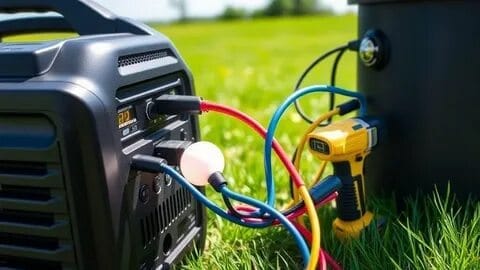
A portable power station inverter is the part that makes stored battery energy usable for everyday electronics. The battery inside a power station stores direct current, or DC, but most household devices and appliances run on alternating current, or AC. The inverter handles that conversion. Understanding this component helps you choose the right power station for camping, backup power, work sites, or travel. It also explains why two units with similar battery capacity can perform differently when running the same devices, especially when power demands, efficiency, and device sensitivity come into play during real-world use.

What Does an Inverter Do in a Power Station?
An inverter in a power station converts DC electricity from the internal battery into AC electricity that common plugs and appliances can use. Without it, the unit could only power devices that accept DC directly through ports such as USB or car outlets. The inverter also helps regulate voltage and frequency so connected equipment receives stable power. This matters for laptops, kitchen appliances, medical devices, and tools that expect consistent electrical output. In simple terms, battery capacity determines how much energy is stored, while the inverter determines how that energy is delivered, what devices can run, and how smoothly they operate.
Types of Inverters Used in Power Stations
Pure Sine Wave Inverters
Pure sine wave inverters produce electricity that closely matches the smooth waveform supplied by standard wall outlets. That makes them the preferred option for most modern portable power stations. They support a wider range of electronics, including sensitive devices such as laptops, CPAP machines, audio equipment, and variable-speed tools. They also help reduce buzzing, overheating, and performance issues that can happen with lower-quality output. For users who want dependable home backup or clean off-grid power, a pure sine wave inverter offers the safest and most versatile choice. It delivers consistent current that works well with both basic appliances and sensitive electronics.
Modified Sine Wave Inverters
Modified sine wave inverters create a simpler, stepped approximation of AC power instead of a smooth electrical wave. They are less refined and are generally found in lower-cost or older power solutions rather than high-quality modern power stations. Some basic devices, such as simple lights or heating elements, may still run on this type of output. However, sensitive electronics can experience reduced efficiency, extra heat, buzzing sounds, or unreliable operation. Chargers, motors, and precision equipment often perform better on cleaner power. For most users, modified sine wave output is a compromise that limits compatibility and makes it harder to power devices safely and consistently.
How Inverters Affect Power Output and Efficiency?
Continuous vs Surge Power Limits
Inverter ratings usually include continuous power and surge power, and both numbers matter. Continuous power is the amount the inverter can supply steadily over time. Surge power is the short burst it can deliver when a device starts up. Many appliances with motors or compressors need extra power for a moment at startup, even if their normal running wattage is lower. If the surge demand exceeds the inverter’s limit, the device may fail to start. If the continuous demand is too high, the power station can shut down or overload. Matching inverter output to real device requirements prevents common performance problems during use.
Energy Loss During Conversion Process
Power conversion is never perfectly efficient. When an inverter changes battery DC into usable AC, some energy is lost as heat. That means the available runtime for AC-powered devices is always lower than the battery’s raw stored energy might suggest. Inverter design, component quality, cooling, and load level all influence how much energy is lost during operation. Higher-quality inverters usually convert power more efficiently and waste less battery capacity. Light loads can also reduce overall system efficiency in some cases. Understanding this helps explain why a power station may deliver different runtimes through AC outlets than through USB or other direct DC outputs.

Why Inverter Quality Matters in Real Use?
Device Compatibility and Safety
Inverter quality directly affects which devices a portable power station can run safely. Clean, stable AC output helps protect electronics from irregular voltage, poor waveform quality, and shutdown issues. A well-designed inverter is especially important for devices with sensitive internal circuits, such as medical equipment, computers, networking gear, and battery chargers. It also supports built-in protection features like overload control, overheating protection, short-circuit response, and low-voltage management. These functions reduce the risk of equipment damage and improve user confidence during outages or remote use. In practical terms, better inverter quality means fewer surprises when plugging in devices you rely on.
Performance Stability Under Load
A quality inverter does more than turn DC into AC. It maintains stable performance when the load changes, when multiple devices run at once, or when an appliance briefly draws extra startup power. Better designs manage heat more effectively, hold voltage more consistently, and recover faster from sudden demand changes. That leads to smoother operation and fewer overload trips. Poorer inverters may struggle near their rated limits, causing shutdowns, noise, or unstable output. In real use, stability matters just as much as wattage on the label. A dependable inverter makes the power station feel more capable, predictable, and trustworthy under demanding conditions.
Conclusion
A portable power station inverter is the key part that turns stored battery energy into usable AC electricity for everyday devices. It affects compatibility, power limits, runtime, safety, and overall performance. Pure sine wave inverters offer the cleanest and most reliable output, while inverter efficiency helps determine how much of the battery’s energy actually reaches your equipment. When choosing a power station, do not look at battery size alone. Check the inverter type, continuous and surge ratings, and protection features as well. Those details tell you how well the unit will perform when you need dependable portable power.