How Long Can a Portable Power Station Run Your Appliances?
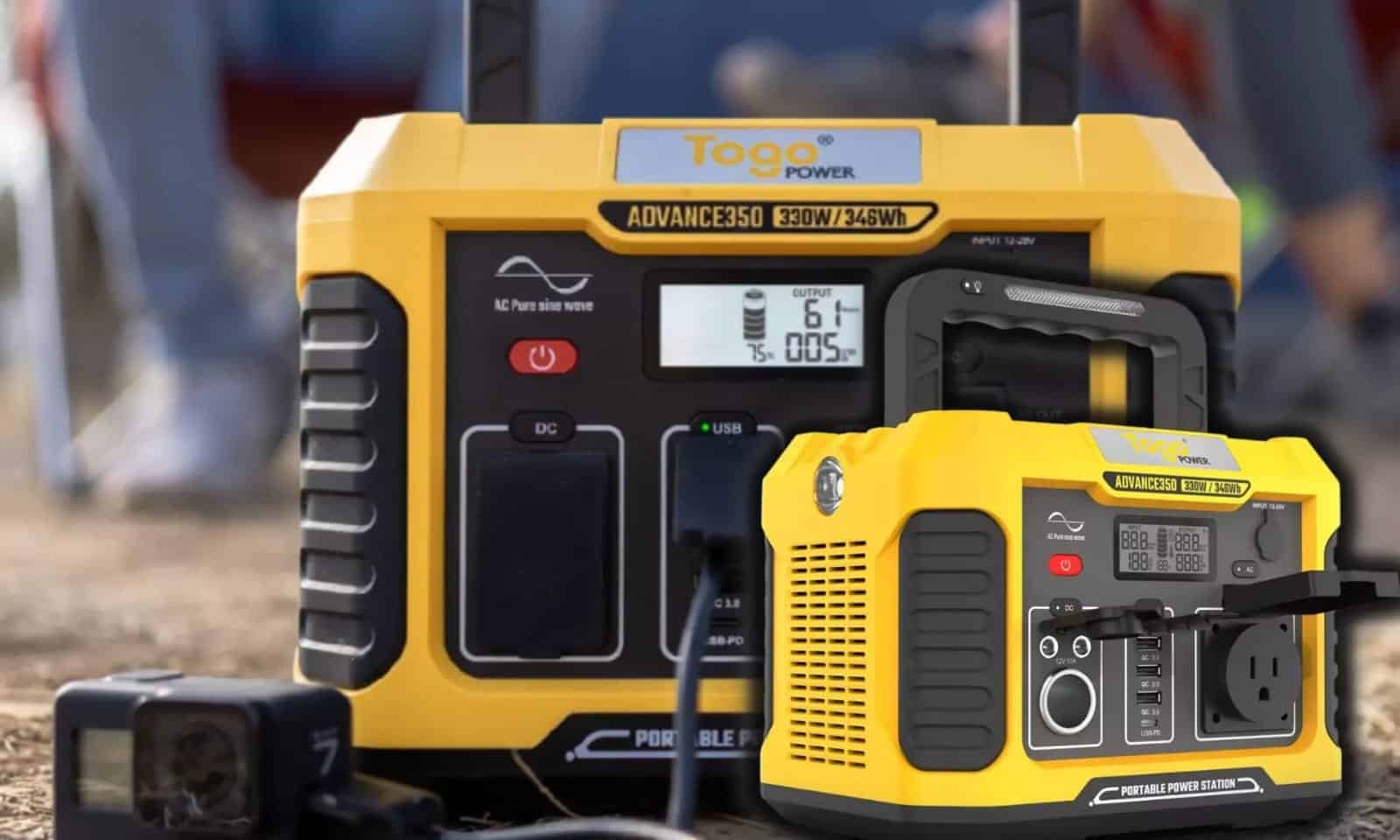
A portable power station can run your appliances for anywhere from under an hour to several days, depending on three core factors: battery capacity, the wattage of the device, and energy losses during conversion. That means a small unit might keep a phone charged for days, while a larger model may run a refrigerator through an outage or power tools at a job site.
If you want a clear estimate before you buy or before an emergency happens, you need to understand how runtime is calculated and what changes real-world performance. This guide explains the numbers in simple terms, shows how to estimate runtime for common household devices, and helps you choose a portable power station that fits backup power, outdoor use, or travel without overpaying for capacity you will not use.

What Determines How Long a Portable Power Station Lasts?
Battery Capacity, Appliance Wattage, and Efficiency
Battery capacity is the foundation of runtime. It is measured in watt-hours, or Wh, and shows how much energy the portable power station can store. Appliance wattage shows how fast that energy is consumed. For example, if a device uses 200 watts continuously, a 1,000Wh power station will not run it for a full five hours in most real situations because some energy is lost during conversion and system operation.
In practice, usable output is often closer to about 85 to 90 percent of the rated capacity when powering AC appliances. That means the same 1,000Wh unit may deliver roughly 850 to 900Wh of usable energy. Divide that by the appliance wattage to estimate runtime. Higher-watt devices such as microwaves, kettles, heaters, and hair dryers drain a battery quickly, while low-watt electronics such as routers, lights, and laptops run much longer.
Environmental and Usage Factors That Affect Runtime
Temperature has a direct effect on battery performance. Cold weather can reduce available capacity and lower output efficiency, while high heat can stress the battery management system and limit performance over time. Appliance behavior matters too. Some devices do not draw steady power. Refrigerators, CPAP machines, and portable coolers often cycle on and off, so their average consumption is lower than their peak draw.
Startup surges also matter because appliances with motors or compressors may briefly require much more power than their running wattage. Screen brightness, charging speed, inverter idle draw, and the number of connected devices can also shorten runtime. Battery age plays a role as well, since older batteries gradually store less energy than when new. If you want more accurate estimates, use average power consumption rather than only the highest listed wattage and assume a modest efficiency loss to reflect real operating conditions.
How to Estimate Runtime for Different Appliances
A Simple Runtime Formula Anyone Can Use
Use this formula: Runtime (hours) = Battery Capacity (Wh) × Efficiency ÷ Appliance Wattage (W). If your power station has 1,000Wh of capacity and you assume 0.85 efficiency for AC output, you have about 850Wh of usable energy. If your appliance uses 100W, the estimated runtime is 850 ÷ 100 = 8.5 hours. If the device uses 500W, runtime drops to about 1.7 hours. This formula works best for appliances with a steady power draw. For devices that cycle on and off, use their average hourly consumption if you can find it. If you only know amps and volts, multiply them to get watts. For example, a 12V device drawing 5A uses 60W. Always check both the running wattage and any surge requirement to make sure the power station can start the appliance safely, not just run it after startup.
Typical Runtime Examples for Common Household Devices
A 500Wh portable power station with about 425Wh of usable AC energy could run a 10W Wi-Fi router for roughly 42 hours, a 50W fan for about 8.5 hours, or a 100W TV for around 4.2 hours. A 1,000Wh unit with about 850Wh usable energy could power a 60W laptop charger for about 14 hours of continuous draw, a 150W mini fridge for roughly 5.5 hours if it ran nonstop, or several phone charges over multiple days. A 2,000Wh model with around 1,700Wh usable energy could run a 200W electric blanket for about 8.5 hours or a 700W microwave for about 2.4 hours of actual cooking time. Appliances with heating elements consume power quickly, while electronics and lights usually deliver the longest runtimes. For outage planning, add together the average wattage of the devices you expect to run at the same time, then apply the same formula to estimate the total runtime.
Choosing the Right Portable Power Station for Your Needs
Match Capacity to Home Backup, Outdoor, or Travel Use
Choose your power station capacity based on your primary use case:
- Travel & Day Trips: Compact, lightweight power stations are ideal for charging phones, cameras, and laptops on the go.
- Camping & Tailgating: Mid-capacity units offer enough flexibility to run portable fridges, fans, drones, and outdoor lights.
- Home Backup: Large-capacity models provide reliable backup for critical household loads like refrigerators, medical equipment, and routers.
When preparing for power outages, focus on primary essentials first. Prioritizing communication, food preservation, and basic lighting ensures high utility without paying extra for unnecessary capacity.need.
Compare Key Features Before You Buy
Look beyond battery size. Continuous output wattage determines what the power station can run at once, and surge rating affects whether it can start appliances with motors or compressors. Port selection matters if you want to power AC devices, USB electronics, and 12V gear at the same time. Recharge speed is also important, especially for emergency use or frequent travel. Battery chemistry affects lifespan, safety, and long-term value, while the display and app controls can make power management easier. Check the unit’s weight and handle design if portability matters. You should also review pass-through charging support, solar input compatibility, and low-noise operation if you plan to use the station indoors or overnight. When you compare features this way, you can choose a model that fits your routine and delivers reliable runtime where it matters most.

Conclusion
A portable power station can run appliances for a short burst, a full night, or several days, depending on capacity, appliance wattage, and real-world efficiency. The fastest way to estimate runtime is to multiply battery capacity by an efficiency factor, then divide by the device’s wattage. That simple calculation gives you a practical answer before you buy or before you rely on backup power. If you match capacity to your actual use, whether for home backup, camping, or travel, you will get better value and more dependable performance. Focus on usable energy, output power, and your priority devices, and you can choose a portable power station with confidence.