When Did They Stop Using Asbestos in Popcorn Ceilings?

Popcorn ceilings also known as acoustic or stipple ceilings were a popular ceiling finish from the 1950s through the 1980s. While they served aesthetic and functional purposes like sound dampening and flaw coverage, many of these ceilings were made with asbestos, a toxic mineral linked to serious health conditions, including mesothelioma and lung cancer.
If you manage property, work in construction, or are involved in real estate or law, understanding when and why asbestos use was phased out and what to do about it today — is essential for safety, compliance, and liability prevention.
Why Were Popcorn Ceilings Popular?
Popcorn ceilings were cost-effective, quick to apply, and great at hiding imperfections. Builders favored them because they:
- Reduced sound reflection in rooms (acoustic dampening)
- Masked drywall flaws or poor workmanship
- Were cheaper and faster than flat finishes
- Required less precision to apply
But the downside? Many formulas used asbestos — particularly between the 1950s and late 1970s.
Why Was Asbestos Used in Popcorn Ceilings?
Asbestos was a widely used building material because it was:
- Fire-resistant and heat-tolerant
- Strong and durable
- Chemically stable and long-lasting
- Affordable and easy to mix into ceiling compounds
In popcorn ceilings, asbestos was commonly present in 1% to 10% of the compound, depending on the manufacturer and time period.
When Did They Stop Using Asbestos in Popcorn Ceilings?
There’s no single date when asbestos disappeared from popcorn ceilings — the phase-out happened gradually, influenced by evolving regulations and leftover inventories.
Key Regulatory Milestones
- 1973: The U.S. EPA bans some spray-applied asbestos products.
- 1978: EPA expands the ban to spray-applied surfacing materials, including textured ceilings.
- Post-1978: Manufacturers allowed to use existing asbestos-containing stock, so some products remained in circulation.
- Mid-1980s: Most U.S. manufacturers switch to asbestos-free ceiling products.
- 1989: EPA issues the Asbestos Ban and Phase-Out Rule (later partially overturned in 1991).
- 2024: EPA finalizes a ban on ongoing uses of chrysotile asbestos — but this doesn’t apply retroactively.
Practical Cutoff Periods
- Before 1978: High likelihood of asbestos-containing ceilings
- 1978 to 1985: Moderate risk — leftover stock may have been used
- After 1985: Low likelihood — but not guaranteed asbestos-free without testing
How to Tell if a Popcorn Ceiling Contains Asbestos
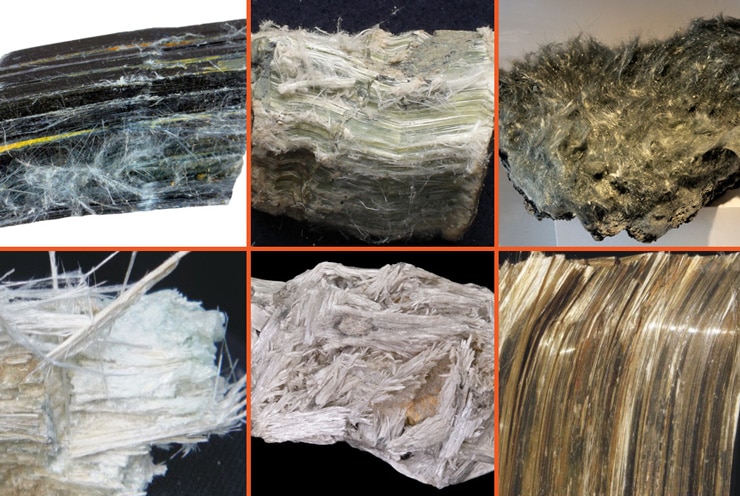
Unfortunately, you can’t tell by sight alone. Asbestos fibers are microscopic and invisible without lab equipment. Still, these clues may help assess risk:
- Construction date: Older buildings (pre-1985) are more suspect
- Texture appearance: Thicker, chunkier textures are common in older asbestos-based mixes
- Condition: Damaged, crumbling ceilings are more dangerous if asbestos is present
- Maintenance history: Disturbance from renovation increases exposure risk
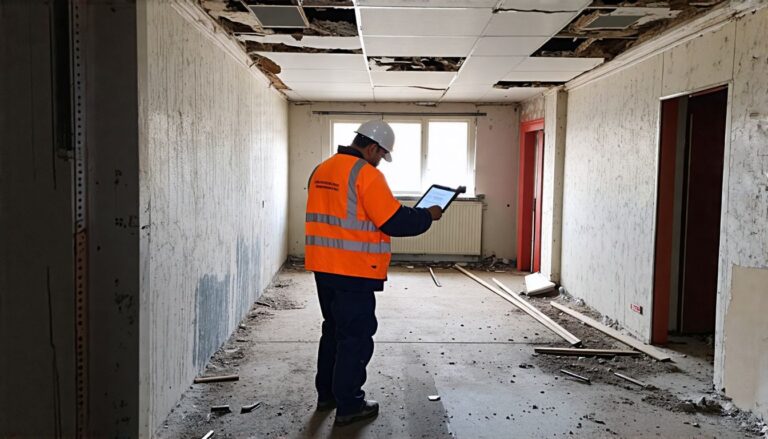
The Only Way to Know: Professional Testing
To confirm asbestos presence:
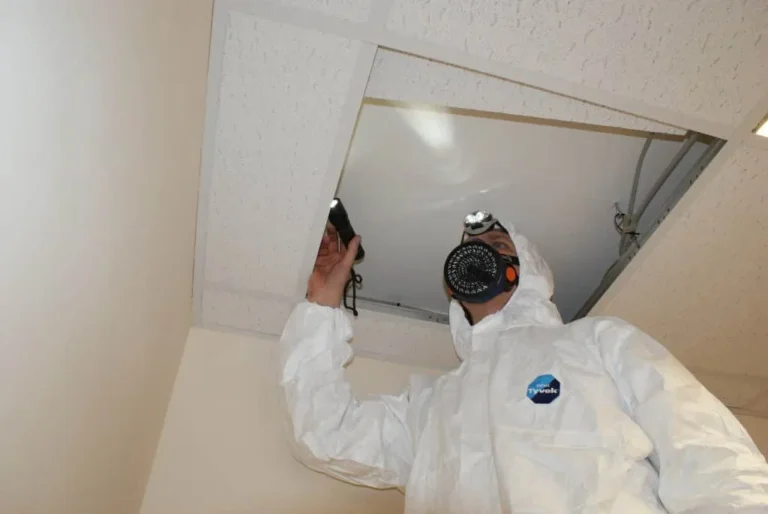
- Hire a certified asbestos inspector or environmental lab
- Collect a small ceiling sample (safely and legally)
- Analyze it via Polarized Light Microscopy (PLM) or Transmission Electron Microscopy (TEM)
Cost typically ranges from $50 to $150 per sample.
Health Risks of Asbestos Exposure
When asbestos-containing materials are disturbed (sanding, scraping, cutting), they release airborne fibers. Inhalation of these fibers can cause:
- Mesothelioma (a rare and aggressive cancer)
- Asbestosis (scarring of lung tissue)
- Lung cancer
- Pleural thickening and plaques
These diseases often take 20–50 years to manifest after exposure. That’s why even older, “sealed” popcorn ceilings still pose a latent risk.
What to Do if You Have Asbestos in Your Ceiling
If asbestos is confirmed or suspected, here are your options:
1. Do Nothing (If Intact and Undisturbed)
If the ceiling is stable and won’t be touched:
- Leave it in place
- Avoid drilling, nailing, or damaging the surface
- Monitor regularly
2. Encapsulation or Enclosure
Safer, cost-effective alternatives to removal:
- Encapsulation: Paint or seal the surface to bind fibers
- Enclosure: Install new drywall or panels over the ceiling
3. Professional Removal (Abatement)
Best for high-risk, damaged, or planned renovation areas:
- Hire a licensed asbestos abatement contractor
- Follow local regulations (containment, HEPA filtration, waste disposal)
- Removal costs range from $3 to $7+ per sq. ft.
Legal Considerations: Can You Sue for Asbestos Exposure?
If you or someone you love has been diagnosed with an asbestos-related illness like mesothelioma, and exposure can be traced to a popcorn ceiling or building material, you may have a legal claim.
You May Be Eligible to Sue If:
- You lived in, worked in, or renovated a building with asbestos
- You were not warned of asbestos risk
- The exposure caused illness or contributed to wrongful death
Possible Defendants
- Manufacturers of asbestos ceiling products
- Property owners or landlords (in rental situations)
- Contractors or employers (for on-site exposure)
Compensation May Include:
- Medical expenses (past and future)
- Lost income or reduced earning ability
- Pain and suffering
- Wrongful death damages
- Punitive damages (in certain cases)
What to Do If You Suspect Exposure
- Get medical screening if you have symptoms or were exposed
- Hire an asbestos testing firm to document presence
- Consult an asbestos attorney — statutes of limitations apply
- Preserve all evidence (test reports, medical records, photos, building history)
Final Takeaways
- Asbestos was common in popcorn ceilings until the mid-1980s
- Even ceilings installed after the 1978 EPA ban may still contain asbestos due to leftover materials
- Testing is the only way to be sure whether your ceiling is hazardous
- Safe options include leaving it alone, encapsulation, or professional removal
- If illness occurs from exposure, you may have a legal path to compensation
Conclusion
Popcorn ceilings, once a popular design choice, now pose a potential health hazard due to their historical use of asbestos. While asbestos was largely phased out by the mid-1980s, the lack of a definitive cutoff means that many homes and buildings — especially those constructed or renovated before 1985 — may still contain this dangerous material.
Whether you’re a homeowner planning renovations, a property manager overseeing tenant safety, or a legal professional handling exposure cases, the key takeaway is this: assume nothing — test everything. Only proper identification, safe management, and, when necessary, professional removal can protect occupants and prevent costly legal or health consequences.
If asbestos exposure has already led to illness or personal loss, legal action may offer a path to justice and compensation. In such cases, seeking experienced legal counsel is crucial to navigate the complex landscape of asbestos litigation.
Ultimately, understanding when and why asbestos was used — and how to respond to it today — empowers you to make safer, smarter decisions for your property, your projects, and your people.
FAQs
Q: Is asbestos in popcorn ceilings illegal?
Not necessarily. It’s not illegal to have asbestos in a ceiling — but disturbing it without proper precautions is dangerous and often violates local laws.
Q: Can I safely remove a popcorn ceiling myself?
Not if it contains asbestos. DIY removal is strongly discouraged. Always hire licensed professionals.
Q: What if my house was built in 1983?
Get it tested. While many post-1980s ceilings are asbestos-free, leftover stock and regional practices make testing the only safe bet.
Q: Can I sue if I rented a home with asbestos?
Yes, especially if the landlord failed to disclose known asbestos risks or neglected maintenance.
Q: Can I just paint over it?
Yes — encapsulation is a common, cost-effective way to safely manage asbestos ceilings. Use appropriate sealants and consult professionals first.