

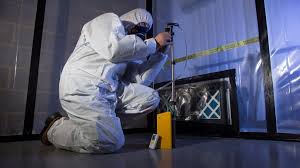
Discovering or suspecting asbestos in a building can be stressful and confusing. Many people are unsure whether they need testing, an inspection, or a full asbestos survey, and mistakes at this stage can lead to serious health risks, legal trouble, or unnecessary costs.
This pillar page explains exactly how asbestos testing and inspection work, when each is required, who should carry them out, and what to do after you receive the results. If you own, manage, buy, or renovate a property, especially an older one this guide is essential.
Why Asbestos Testing and Inspection Matter
Asbestos cannot be confirmed by sight, smell, or guesswork. Many materials that contain asbestos look completely harmless. Testing and inspection are the only reliable ways to identify asbestos and assess the level of risk.
People usually need testing or inspection because they are:
- Planning renovations or demolition
- Buying or selling a property
- Managing a commercial or rental building
- Concerned about health and safety
- Required to comply with legal regulations
If you are still unclear about the basics, start with what asbestos is and where it is found to understand why testing is necessary.
What Is Asbestos Testing?
Asbestos testing is the process of collecting material samples and analyzing them in a laboratory to confirm whether asbestos fibers are present.
Testing answers one critical question:
Does this material contain asbestos or not?
Testing does not assess the condition of asbestos or the overall risk of a building—that is where inspections and surveys come in.
Learn more about the full process in this guide on asbestos testing.
Why Visual Identification Is Not Enough
One of the most common and dangerous mistakes is assuming asbestos can be identified visually. In reality:
- Many asbestos materials look identical to non-asbestos materials
- Paint, coatings, or aging can hide asbestos fibers
- Only laboratory analysis can confirm asbestos
Relying on visual checks alone often leads to false reassurance or unnecessary panic.
What Happens During Asbestos Sample Testing?
The asbestos testing process usually follows these steps:
- Sample collection by a trained professional
- Sealing and labeling the sample correctly
- Transport to an accredited laboratory
- Microscopic analysis using approved methods
- Written test results confirming asbestos presence or absence
Accurate testing depends heavily on using qualified asbestos analysis laboratories.
Where Should Asbestos Samples Be Sent?
Samples must be sent to certified laboratories that follow strict safety and testing standards. Using unaccredited labs can lead to inaccurate results and legal problems.
If you are unsure where to send materials, this guide on where to send asbestos samples explains the safest options.
What Is an Asbestos Testing Laboratory?
An asbestos testing laboratory is a specialized facility equipped to analyze samples using advanced microscopy techniques. These labs identify:
- Whether asbestos is present
- The type of asbestos
- Fiber concentration (in some cases)
Understanding the role of an asbestos testing laboratory helps ensure you receive valid, defensible results.
Can You Test Asbestos Yourself?
This is a very common question and a risky one.
While DIY asbestos test kits exist, they come with serious concerns:
- Risk of fiber release during sampling
- Improper sealing or labeling
- Invalid or rejected lab results
In many regions, DIY sampling is discouraged or restricted. Professional testing greatly reduces health risks and legal exposure.
What Is an Asbestos Inspection?
An asbestos inspection is a non-destructive assessment of a building to identify materials that may contain asbestos and evaluate their condition.
Inspections focus on:
- Building age and construction methods
- Visible materials likely to contain asbestos
- Signs of damage or deterioration
A professional asbestos inspection is often the first step before testing or surveys.
Inspection vs Testing: What’s the Difference?
Many people confuse these two terms, but they serve different purposes.
Asbestos testing:
- Confirms asbestos in a specific material
- Requires laboratory analysis
Asbestos inspection:
- Identifies suspected asbestos materials
- Assesses condition and risk
- Does not always involve sampling
In many cases, inspection comes first, followed by targeted testing.
What Is an Asbestos Survey?
An asbestos survey is a detailed and formal assessment of a property. Surveys are often legally required and go beyond basic inspections.
Surveys aim to:
- Locate asbestos-containing materials
- Assess their condition
- Evaluate risk to occupants
- Provide management or removal recommendations
If you want a full overview, read how asbestos surveys are done.
Types of Asbestos Surveys Explained
Management Survey
- Identifies asbestos during normal building use
- Required for occupied buildings
- Focuses on long-term management
Refurbishment Survey
- Required before renovation work
- More intrusive than management surveys
- Identifies asbestos likely to be disturbed
Demolition Survey
- Required before demolition
- Fully intrusive
- Identifies all asbestos materials
Learn more about refurbishment and demolition asbestos surveys if you are planning construction work.
When Should You Get an Asbestos Survey?
You should consider a survey if:
- Your building was constructed before the 1990s
- You are planning renovations
- You are buying or selling property
- You manage a rental or commercial space
This guide on when to get an asbestos survey explains common triggers in detail.
Understanding Asbestos Survey Reports
Survey reports can look intimidating, especially for beginners. A typical report includes:
- Locations of asbestos-containing materials
- Material condition and risk rating
- Photographs and diagrams
- Recommendations for management or removal
To avoid confusion, review these asbestos survey report examples and learn how to read them correctly.
Why Asbestos Reinspection Is Important
Asbestos does not stay in the same condition forever. Over time, materials can degrade due to age, moisture, vibration, or damage.
Reinspection ensures:
- Previously identified asbestos remains stable
- Risk levels have not increased
- Management plans remain effective
Learn why this matters in asbestos reinspection survey importance.
What Happens After Asbestos Testing or Inspection?
Once asbestos is identified, you generally have three options:
- Leave it in place (if stable and low risk)
- Encapsulate or manage it
- Remove it professionally
The right choice depends on condition, location, and legal requirements. In many cases, asbestos abatement and removal may be necessary.
Legal Responsibilities and Compliance
In countries like the UK, asbestos management is strictly regulated. Property owners and duty holders may be legally required to:
- Conduct inspections or surveys
- Maintain asbestos registers
- Inform contractors and occupants
- Use licensed professionals
For more details, review UK asbestos safety regulations.
Common Mistakes People Make with Asbestos Testing
Avoid these frequent errors:
- Skipping testing before renovation
- Using unqualified testers
- Misreading survey reports
- Ignoring reinspection schedules
- Attempting DIY removal
Each of these mistakes can increase health risks and costs.
Final Thoughts
Asbestos testing and inspection are the decision-making stage of asbestos management. This pillar bridges the gap between understanding asbestos and taking action safely and legally.
When done correctly, testing and inspection:
- Protect health
- Prevent costly mistakes
- Ensure legal compliance
- Guide safe renovation and management
It works hand-in-hand with (What Is Asbestos) and leads naturally into removal, health risks, and regulations.
Frequently Asked Questions
Is asbestos testing expensive?
Costs vary, but testing is far cheaper than dealing with accidental exposure or legal penalties.
Do I need testing if the material looks fine?
Yes. Appearance alone is unreliable.
Is testing required before selling a house?
Not always legally required, but strongly recommended to reduce risk.
How long do test results take?
Most laboratories return results within a few days.