

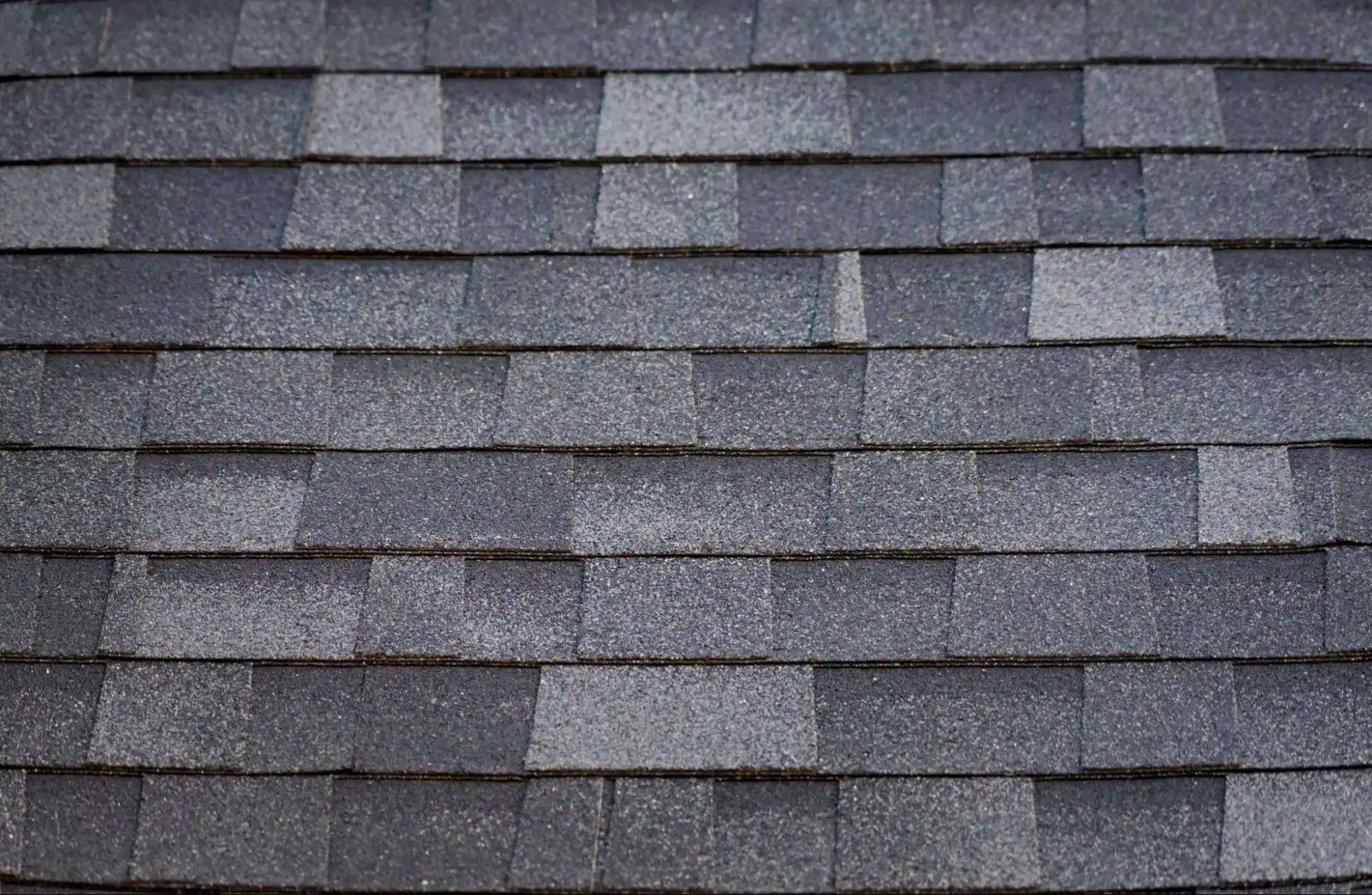
Asbestos shingles are one of those home topics that instantly raise eyebrows. The word asbestos alone can make homeowners nervous, buyers cautious, and renovators pause mid-plan. But asbestos shingles are not automatically dangerous, illegal, or a disaster waiting to happen.
The truth sits somewhere between fear and facts.
This in-depth guide explains asbestos shingles clearly and responsibly. It relies on established guidance from government health and safety authorities and building science research. No exaggeration. No random claims. Just real information written in a human, readable way.
If your home has asbestos shingles or you think it might, this article will help you understand what they are, how they behave, what risks they actually pose, and how professionals handle them today.
What Are Asbestos Shingles?
Asbestos shingles are roofing or siding shingles manufactured with asbestos fibers blended into cement or asphalt. Builders widely used them throughout much of the 20th century, especially between the 1920s and late 1970s.
Manufacturers added asbestos because it made shingles:
- Strong and rigid
- Highly fire resistant
- Resistant to moisture and rot
- Long-lasting under harsh weather
These shingles often appear flat, dense, and slightly textured. Many resemble slate or thick fiber cement panels.
At the time of production, asbestos shingles were considered a premium, low-maintenance building material.
Why Asbestos Was Used in Shingles
Builders did not choose asbestos casually. They used it because it solved real construction problems.
During the early and mid-1900s, homes needed materials that could:
- Withstand fire hazards
- Survive extreme weather
- Last for decades with minimal upkeep
- Stay affordable for mass housing
Asbestos fibers strengthened cement and improved durability. The material resisted heat better than most alternatives available at the time. For decades, builders viewed asbestos shingles as practical and reliable.
Health risks became widely recognized only after years of occupational exposure studies.
Types of Asbestos Shingles
Asbestos appeared in several shingle forms:
Asbestos Cement Shingles
These rigid shingles used cement mixed with asbestos fibers. Builders commonly installed them on roofs and exterior walls.
Asbestos Siding Shingles
These shingles covered home exteriors and often mimicked wood clapboard or slate.
Asbestos-Containing Asphalt Shingles
Some older asphalt shingles contained asbestos in the felt or backing layers rather than the surface.
Modern shingles no longer contain asbestos. Manufacturers now use safer fiber alternatives.
When Were Asbestos Shingles Commonly Installed?
Homes built or renovated between 1920 and 1980 carry the highest likelihood of containing asbestos shingles.
They appear frequently on:
- Older suburban homes
- Farmhouses
- Multi-family buildings
- Schools and small commercial structures
Homes built after the early 1980s rarely contain asbestos shingles due to changing regulations and industry practices.
Are Asbestos Shingles Dangerous?
This is the most misunderstood part.
Asbestos shingles are not automatically hazardous.
Risk depends on condition and disturbance.
Asbestos becomes dangerous when microscopic fibers release into the air and enter the lungs. Intact asbestos cement shingles usually trap fibers inside a solid matrix.
Low-Risk Situations
- Shingles remain intact
- No cutting, drilling, sanding, or removal occurs
- Weathering stays minimal
Higher-Risk Situations
- Shingles crack, crumble, or break
- Renovation or roofing work disturbs the material
- Improper removal releases dust
In stable condition, asbestos shingles often pose little immediate risk. Problems arise when people disturb them incorrectly.
Friable vs Non-Friable Asbestos Explained Simply
Understanding this concept helps reduce confusion.
- Non-friable asbestos stays bonded in solid material. Asbestos cement shingles fall into this category.
- Friable asbestos crumbles easily and releases fibers into the air.
Most asbestos shingles remain non-friable unless damaged or mishandled.
Common Myths About Asbestos Shingles
Myth: All asbestos shingles must be removed
Reality: Removal is not always required or recommended if shingles remain intact.
Myth: Living under asbestos shingles causes illness
Reality: Exposure risk comes from inhaling airborne fibers, not from the presence of stable material.
Myth: Painting asbestos shingles increases danger
Reality: Proper sealing can help reduce fiber release.
Myth: You can identify asbestos visually
Reality: Only laboratory testing confirms asbestos content.
How to Identify Asbestos Shingles Safely
Never test shingles yourself by breaking or scraping them.
Safe identification involves:
- Checking the home’s construction date
- Reviewing renovation records
- Hiring a certified asbestos inspector
Professionals collect samples using controlled methods and send them for laboratory analysis. This process minimizes fiber release and provides reliable results.
What Happens If Asbestos Shingles Are Disturbed?
Disturbing asbestos shingles can release microscopic fibers into the air. These fibers are invisible and can remain suspended for long periods.
Repeated or prolonged inhalation may increase the risk of:
- Lung scarring
- Asbestosis
- Lung cancer
- Mesothelioma
These diseases typically develop after long-term exposure, not from brief contact. This is why professional handling matters.
Asbestos Shingles and Home Maintenance
Proper maintenance plays a major role in risk control.
Smart Maintenance Practices
- Avoid pressure washing
- Do not drill or nail into shingles
- Repair water leaks promptly
- Keep gutters clear to prevent moisture damage
- Monitor shingles for cracks or impact damage
Well-maintained asbestos shingles often remain stable for decades.
Painting and Sealing Asbestos Shingles
Painting or sealing asbestos shingles can reduce surface wear and help lock fibers in place.
Professionals typically recommend:
- Specialized masonry or encapsulating coatings
- Surface preparation without sanding
- Gentle application methods
Sealing does not remove asbestos, but it can extend the life of the shingles and reduce fiber release risk.
Should You Remove Asbestos Shingles?
Removal is a decision based on condition, plans, and regulations—not fear.
Removal May Be Necessary When:
- Shingles are severely damaged
- Renovation work will disturb them
- Local regulations require abatement
- Structural repairs demand access
Leaving Shingles in Place May Be Better When:
- Shingles remain intact
- No remodeling affects them
- Encapsulation is viable
In many cases, professionals recommend managing asbestos in place rather than removing it.
Why DIY Removal Is a Bad Idea
DIY asbestos shingle removal creates serious risks.
Improper handling can:
- Release large amounts of fibers
- Contaminate indoor spaces
- Violate environmental regulations
- Lead to legal penalties
Certified asbestos professionals follow strict safety protocols, including containment, wet removal methods, and approved disposal procedures.
Asbestos Shingle Removal Costs (General Overview)
Costs vary based on:
- Roof or siding size
- Local labor rates
- Access difficulty
- Disposal requirements
Typical cost factors include:
- Inspection and testing
- Labor and safety equipment
- Waste transport and disposal
- Replacement materials
Encapsulation usually costs less than full removal. Full removal and replacement can become a major renovation expense.
Legal and Regulatory Considerations
Most regulations focus on disturbance, not ownership.
Key points:
- Existing asbestos materials are not automatically illegal
- Removal often requires licensed contractors
- Disposal must follow hazardous waste rules
- Renovation projects may trigger regulatory oversight
Local laws vary, so homeowners should always confirm regional requirements before starting work.
Asbestos Shingles and Property Value
Asbestos shingles do not automatically reduce property value.
Impact depends on:
- Condition of the shingles
- Disclosure practices
- Local market expectations
- Availability of inspection reports
Buyers tend to fear uncertainty more than asbestos itself. Clear documentation and professional evaluations often ease concerns.
Long-Term Durability of Asbestos Shingles
Asbestos cement shingles can last 50 years or more.
Common causes of deterioration include:
- Freeze-thaw cycles
- Impact damage
- Poor drainage
- Improper repairs
Normal aging alone does not automatically release fibers.
What Professionals Look for During Inspections
Inspectors typically assess:
- Surface integrity
- Cracking or delamination
- Weather damage
- Areas of previous disturbance
Inspection results help determine whether encapsulation, monitoring, or removal makes the most sense.
Modern Alternatives to Asbestos Shingles
Today’s roofing and siding materials offer similar benefits without health risks.
Popular alternatives include:
- Fiber cement shingles without asbestos
- Composite roofing
- Metal roofing systems
- Architectural asphalt shingles
Modern materials improve safety while maintaining durability and fire resistance.
Final Thoughts: Knowledge Beats Fear
Asbestos shingles deserve respect, not panic.
When intact and undisturbed, they often pose minimal risk. Problems arise when homeowners guess, rush, or attempt unsafe removal. Smart decisions come from verified information, professional inspections, and calm planning.
If your home has asbestos shingles:
- Monitor their condition
- Avoid unnecessary disturbance
- Use certified professionals when work is needed
A clear, informed approach protects both health and property value.
Frequently Asked Questions
Are asbestos shingles still legal?
Yes. Existing asbestos shingles remain legal if left undisturbed.
Can asbestos shingles be painted?
Yes. Proper sealing can help reduce surface deterioration.
Do asbestos shingles always need removal?
No. Many remain safely in place for decades.
How can I confirm asbestos presence?
Only professional laboratory testing provides confirmation.