Image to Video AI Tips for Better Animation Results
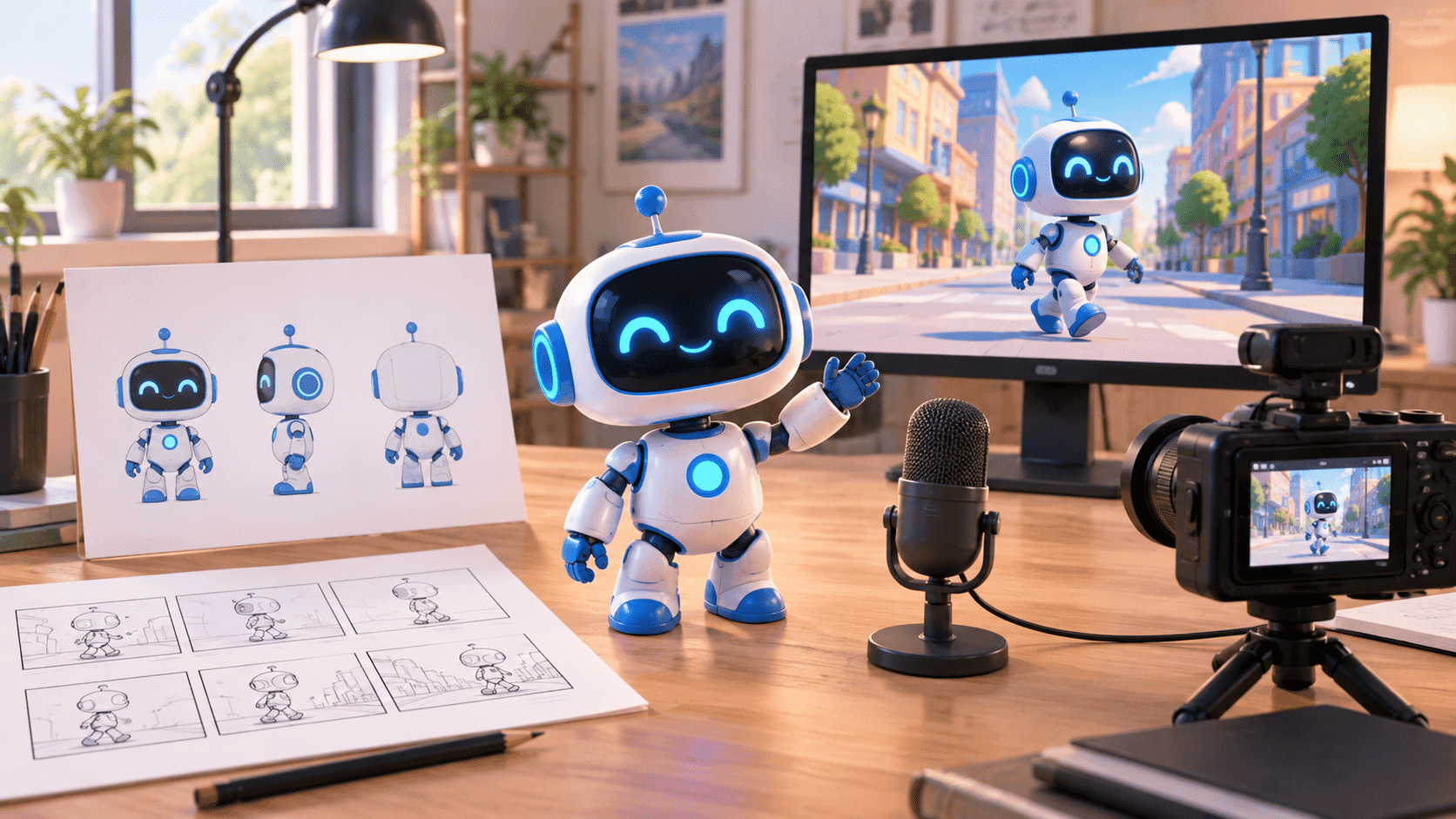
Image-to-video AI tools can turn a still visual into an animated sequence, but the quality of the result depends heavily on the source image and creative direction. Clean composition, clear subjects, suitable resolution, and well-defined details give the model stronger visual information to animate. Prompts also matter because they tell the system how subjects, backgrounds, cameras, and environmental elements should move. Careful preparation can reduce distorted features, unnatural motion, and distracting scene changes. The following image-to-video AI tips explain how to prepare source images, guide animation effectively, control movement, and correct common problems for smoother, more coherent video results.

How to Prepare Images for Better AI Animation
Choosing High-Quality Images for Video Conversion
A strong source image gives an image to video ai system a stable foundation for animation. Choose a sharp, well-exposed image with a clearly defined main subject and enough resolution to preserve important details. Avoid heavy compression, motion blur, extreme noise, or accidental artifacts because animation may make these flaws more noticeable. Simple visual separation between the subject and background can also help the model interpret scene structure. If a person appears, make sure important facial features, hands, and body parts are visible rather than awkwardly cropped. For products or objects, use accurate shapes and clean edges. Starting with a clear image reduces the amount of visual correction needed after generation.
Optimizing Image Details Before AI Animation
Before animation, inspect the source image for details that could become unstable once movement begins. Remove distracting marks, duplicated objects, distorted anatomy, inconsistent shadows, or background elements that may confuse the scene. Crop the image to match the intended video orientation and keep the main subject comfortably inside the frame so camera movement has room to develop. Check faces, hands, text, logos, patterns, and fine product details carefully because small errors can become more obvious across multiple frames. If exact text must remain readable, consider adding it during editing rather than relying on generated motion to preserve every character. A clean, balanced source image helps the AI maintain visual structure as the scene changes over time.
Selecting the Right Style and Motion Direction
Choose a visual style and motion direction that fit both the source image and the intended video. A realistic photograph usually benefits from believable subject movement, restrained camera motion, and lighting behavior that matches the original scene. Illustrated or stylized images can support more expressive animation, but the motion should still respect the visual logic of the artwork. Decide what should move before generation: the subject, camera, background, environmental elements, or a controlled combination. Give the primary action priority instead of animating every detail at once. For example, a portrait may need subtle head movement and a gentle camera push-in, while a landscape can use drifting clouds and slow parallax. Consistent style and purposeful motion make the animation feel more coherent.

Tips for Creating Smoother Image to Video Animations
Writing Effective Prompts for Natural Movement
Effective image-to-video prompts describe movement clearly without replacing information already visible in the source image. Focus on what changes over time: how the subject moves, how fast the action happens, what the environment does, and whether the camera remains still or moves. Use specific phrases such as “the subject turns slightly toward the window” or “leaves sway gently in a light breeze.” Keep actions physically compatible and realistic for the clip length. Avoid stacking several unrelated movements into one short sequence. When subtle animation is the goal, state that directly and limit motion intensity. Clear verbs, pacing cues, and spatial directions help the model create movement that feels intentional rather than random.
Controlling Camera Effects, Transitions, and Motion
Camera instructions can add depth and energy, but excessive movement often makes image-based animation less stable. Choose one primary camera behavior, such as a slow push-in, gentle pan, controlled pullback, or smooth tracking movement. Match that choice to the composition and leave enough visual space for the camera path. Transitions should also support the scene rather than interrupt it; simple fades or carefully planned scene changes are usually easier to control than multiple rapid effects. If the subject already performs a complex action, keep camera motion restrained so viewers can follow it. For multi-shot sequences, define each shot separately and maintain consistent subjects, lighting, and visual style. Controlled camera direction helps preserve composition while making a still image feel naturally cinematic.
Fixing Common Issues in AI-Generated Animations
Common image-to-video problems include warped faces, unstable hands, flickering details, drifting backgrounds, sudden object changes, and motion that feels too fast or physically implausible. Fix these issues by identifying the main failure and changing only the instructions connected to it. If a face distorts, reduce head movement or camera intensity. If the background shifts, request a stable environment and simplify competing motion. When objects change shape, strengthen the prompt around their appearance and limit unnecessary interaction. Shorter, simpler actions can also improve continuity. Generate several controlled versions rather than adding more instructions after every failure. Compare the outputs, keep the settings that improve stability, and refine one variable at a time until the animation looks more consistent.
Conclusion
Better image-to-video AI animation starts with a strong source image and clear decisions about what should move. Use sharp, well-composed visuals, correct distracting details before generation, and choose motion that fits the original style. Write prompts around specific actions, pacing, camera behavior, and environmental movement instead of adding unnecessary description. Keep camera effects controlled, especially when the subject already performs a noticeable action. When problems appear, simplify the scene and revise one variable at a time rather than rebuilding the entire prompt. This structured approach makes it easier to reduce visual instability, preserve important details, and create smoother animations from still images.