Asbestos Inspection: Essential Guide for Professionals
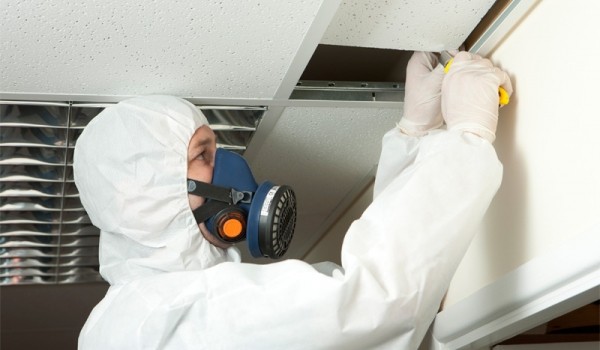
In modern construction, facility management, and industrial safety, asbestos inspection is not just a regulatory checkbox it’s a critical safeguard. Asbestos-containing materials (ACMs) remain present in many older buildings, infrastructure, and some industrial installations. When disturbed, asbestos fibers can become airborne, causing serious health hazards. For professionals responsible for safety, compliance, or risk assessment, understanding effective asbestos inspection processes is essential. This article delivers a deep dive into asbestos inspection that combines data, professional insight, and practical guidance to help you protect people, properties, and reputations.
Understanding Asbestos and Its Risks
: What Is Asbestos? Types & Properties
- Definition: Asbestos refers to a group of naturally occurring silicate minerals made up of fine, durable fibers known for their heat resistance, strength, and insulation properties.
- Types of Asbestos: There are six primary forms—chrysotile (white asbestos), amosite (brown), crocidolite (blue), tremolite, anthophyllite, and actinolite.
- Properties that cause risk:
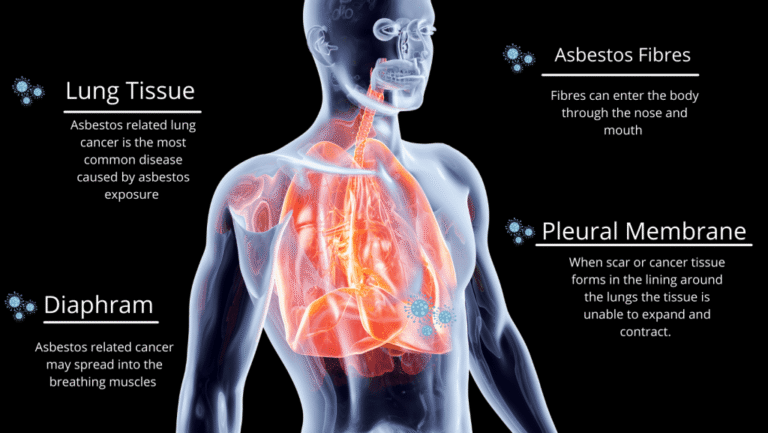
- Fibrous and microscopic structure enables inhalation deep into lungs.
- Resistant to heat, fire, chemical attack → was widely used historically.
- Some types (e.g., amphibole group) are more brittle and prone to releasing fibers.
Health Impacts & Statistics
- Exposure to asbestos causes a range of serious health issues, including mesothelioma, lung cancer, asbestosis, and pleural disorders.
- Globally, more than 200,000 deaths per year are attributed to occupational exposure to asbestos.
- Asbestos accounts for over 70% of deaths from work-related cancers.
- In the U.S., approximately 1.3 million workers in construction and general industry remain exposed to asbestos on the job today.
- Long latency period: diseases may not appear until 10–50 years after exposure.
These statistics underscore that asbestos exposure remains a present threat, not merely a historic concern.
The Role of Asbestos Inspection in Risk Management
Objectives of Inspection
An effective asbestos inspection serves multiple key purposes:
- Identify presence: Detect ACMs in buildings or structures, whether known or hidden (e.g., insulation, roofing, flooring).
- Assess condition: Whether materials are intact, deteriorated, or likely to release fibers (friable vs. non-friable).
- Quantify risk: Exposure potential, likelihood of fiber release, occupancy, usage patterns.
- Guide decision-making: Whether removal, encapsulation, repair, or routine monitoring is most appropriate.
- Ensure compliance: Compliance with legal/regulatory frameworks, enforcement of safety standards.
Who Needs It & When
- Who:
- Building owners and facilities managers (commercial, industrial, residential).
- Renovation and demolition contractors.
- Safety, environmental, compliance officers.
- Government agencies, inspectors.
- When:
- During property acquisition or prior to renovation/demolition.
- After damage to building materials (fire, flood, storms).
- When building use changes (e.g., conversion of building type or occupancy).
- In response to regulatory requirement intervals or audits.
How Asbestos Inspections Are Conducted
Site Assessment & Initial Survey
- Desktop review: Build plans, previous records, architectural age, history of asbestos use.
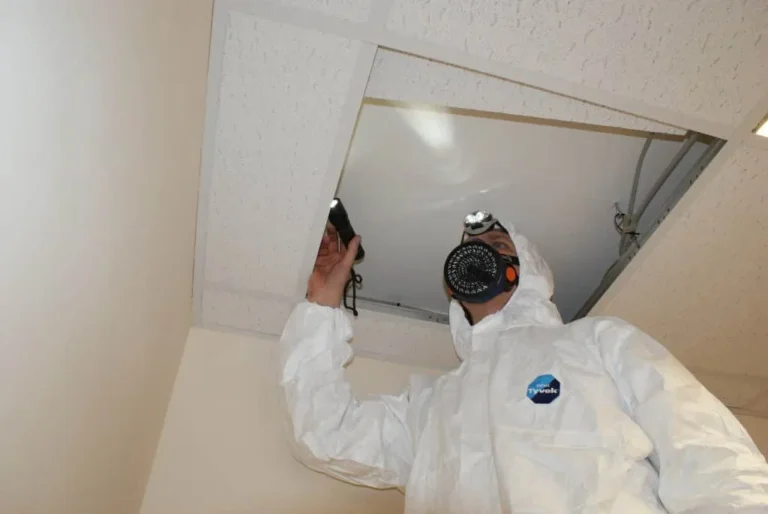
- Walk-through survey: Visual inspection of all accessible areas to spot suspected ACMs, identify damage, uses, and hazards.
- Preliminary risk categorization: Based on material type, condition, exposure potential.
Sampling, Analysis & Reporting
- Sampling methods:
- Bulk sample: physical removal of a small piece of ACM.
- Airborne fiber sampling: measuring fiber concentrations in air (background, disturbance).
- Surface dust samples, tape lifts in some cases.
- Laboratory analysis:
- Polarized Light Microscopy (PLM) for bulk materials.
- Transmission Electron Microscopy (TEM) for finer fibers or air samples.
- Asbestos types to be identified; fiber counts compared to regulatory thresholds.
- Report contents should include:
- Identification and mapping of all ACMs.
- Condition and risk assessment.
- Quantified exposure data (if sampled).
- Recommendations for management (repair, encapsulation, removal).
- Cost estimates and timelines.
- Safety protocols and environmental controls.
Legal, Regulatory & Safety Protocols
- Asbestos is regulated under various international, national, and local laws. E.g., WHO, OSHA (US), etc.
- Regulations often set limits for airborne fiber concentration. There is no “safe” level of asbestos, but legal exposure limits help in risk management.
- Safety protocols:
- Use of trained, accredited inspectors.
- Personal protective equipment (PPE) for inspectors, contractors.
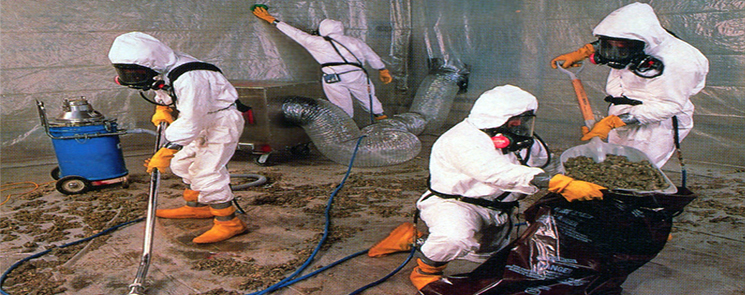
- Containment and decontamination during removal or disturbance.
- Proper disposal of asbestos waste under regulated disposal options.
Challenges, Best Practices & Innovations
Common Pitfalls & How to Avoid Them
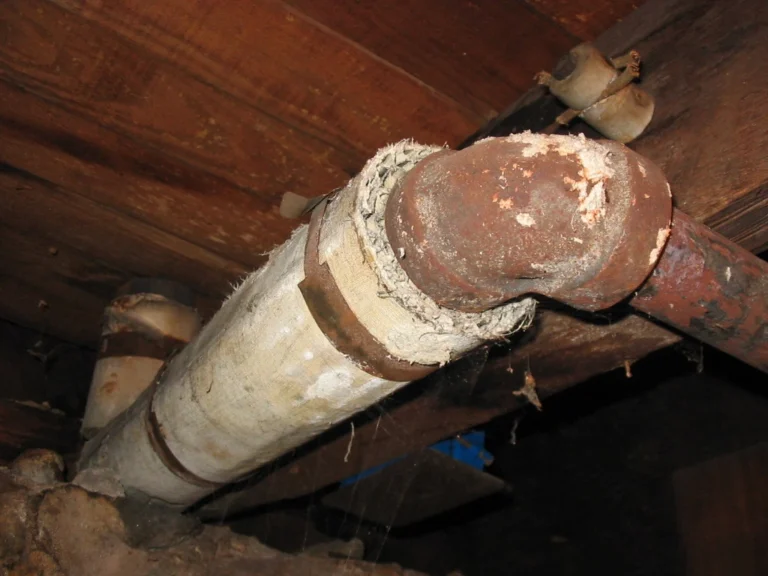
- Undocumented or hidden ACMs: Many buildings lack complete records; walls, piping, insulation may conceal asbestos. → Always assume risk in older structures, use thorough surveys.
- Disturbance without assessment: Renovations by non-specialists often damage ACMs; fibers released. → Always inspect before doing work.
- Poor sampling techniques: Insufficient sample quantity or improper handling can lead to false negatives. → Use certified labs, follow chain-of-custody.
- Regulatory noncompliance: Failing to follow laws, under-reporting. → Stay up-to-date with local laws; maintain thorough documentation.
Best Practices for High-Quality Inspection
- Use qualified, accredited and insured inspectors.
- Establish a clear scope: areas, materials, priorities.
- Prioritize occupant safety: plan for minimal disruption; ensure containment.
- Maintain transparent documentation: photographs, maps, condition logs.
- Implement a management plan: monitor over time; schedule follow-ups; training staff.
- Budget realistically: removal, repair, disposal costs plus contingency.
Emerging Technologies & Trends
- Non-destructive testing: Infrared imaging, radar, laser scanning to detect hidden ACMs without physical damage.
- Improved sampling & lab analysis: Better TEM, real-time fiber monitoring devices.
- Digital tools: GIS mapping, 3D modeling for visualization; remote inspection via drones in difficult-to-access zones.
- Regulatory tightening: More countries banning all forms of asbestos; stricter legacy use and disposal rules. WHO notes more than 50 member states have banned asbestos.
Conclusion
For professionals in construction, facility management, safety, or regulatory compliance, asbestos inspection is far from optional—it’s imperative. It leverages both technical expertise and regulatory awareness to protect health, avoid liabilities, and preserve building integrity. With robust inspection protocols, well-trained personnel, transparent reporting, and a proactive management plan, the risks posed by asbestos can be controlled and reduced significantly.
By applying best practices and staying updated with emerging tools and rules, you can ensure inspections are thorough, safe, and defensible. Are you ready to put these principles into action to safeguard your organization, your teams, and your stakeholders?