Choosing Metal Roofing or Traditional Shingles
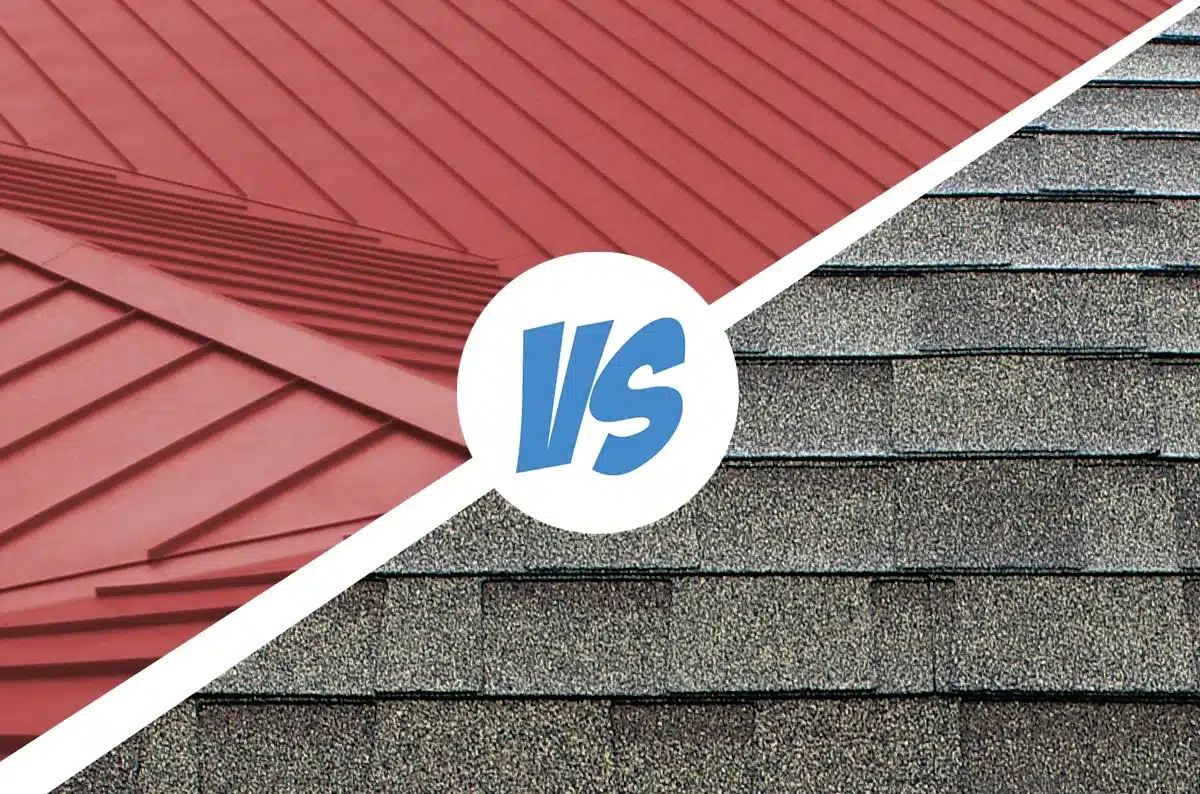
Metal panels and traditional shingles differ in material structure, and that affects installation, maintenance, and performance in different weather conditions. Installation methods vary between the two materials, and routine upkeep also changes because each system handles water and wear differently. Here are a few tips for choosing metal roofing or traditional shingles:
Compare Material Performance
Metal panels and traditional shingles age in different ways, and that matters most when rain, snow, or heat is involved. This material often remains durable in harsh weather, so it is an ideal solution for a long-term investment. Metal roofing may also shed rain and snow faster, which helps cut down on ice dams forming at the eaves. Sun exposure breaks down shingle granules, and once they wear away, the underlying layer faces direct exposure. As shingles age, their seals may weaken, while metal seams continue to limit moisture entry more consistently. Many roofing companies provide repair services; they are able to replace or fix damaged shingles.
Review Installation Requirements
How a roof gets installed depends on what it’s made of. Some metal roofs are installed with large panels; this helps create fewer entry points for water. Shingles work differently, forming smaller, overlapping rows that build up across the roof from bottom to top. Both systems have to follow the shape of the roof, but metal may take more planning around seam placement and how the panels meet the flashings at transitions and penetrations.
Plan Maintenance Needs
Some shingle roofs need more attention over time than metal ones. As the granules wear off and the seals soften, loose or damaged tabs may show up. Repairing these early helps prevent future extensive damage. Metal roofs may need fewer repairs, but the sealants and fasteners still need to be checked on a regular basis. Keeping debris out of valleys, transitions, and gutters allows roofs with either material to last longer. Looking over the penetrations occasionally can catch issues before they turn into leaks.
Properly placed gutters help improve a roof’s lifespan. If they’re clogged or sitting at the wrong slope, water may back up and sit near the roof edge longer than it should. That extra moisture works against shingles around the valleys, and it puts more pressure on flashing areas over time. Keeping gutters clean and well-maintained supports the performance of both metal and shingle roofs.
Assess Storm Protection
Look for roofing services that restore roofs after storm damage. If hail has dislodged shingles or dented panels, a repair company is able to repair those sections. Metal roofs with a heavy gauge resist impact from hail and falling branches, helping to protect your roof and house occupants during storms. Some metal roofs are fire-resistant, and a reflective coating helps prevent excessive heat from being absorbed and heating the house’s interior. Metal roofs are often corrosion-resistant, which is ideal for consistently wet areas. A professional company also makes sure roofs are installed correctly to prevent rainwater from pooling in crevices.
Find Metal Roofing Experts Today
Metal roofing and traditional shingles can both hold up well when the installation is done right and the roof is consistently maintained. The choice comes down to the home itself, the local weather, and how much maintenance will be required. Talking through those details with an experienced contractor makes it easier to find the option that suits your home. You may be able to choose metal roofing materials that resemble asphalt shingles; this allows you to have a long-lasting roof with a traditional look. Reach out to a roofing contractor today to go over your options and figure out the most efficient next step.