A Complete Guide to Total Asbestos Removal in Brisbane: Safe and Reliable Solutions
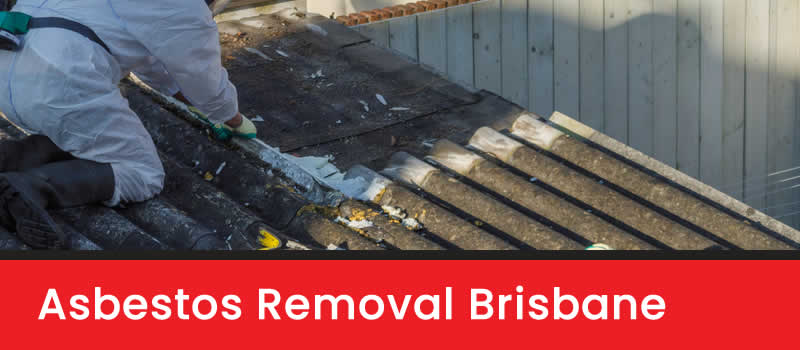
If you own or manage a property in Brisbane—whether it’s a family home, a rental, or a commercial space—there’s a good chance you’ve heard about asbestos. It’s one of those topics that tends to come up during renovations, property inspections, or even casual conversations with builders. And while it might sound technical or intimidating, understanding the basics of asbestos removal can make a big difference in keeping your space safe.
In this guide, we’ll walk through what asbestos is, why proper removal matters, and how the process works in real-world situations. Think of it as a practical, no-nonsense overview designed to help you make informed decisions.
What Is Asbestos and Why Is It a Concern?
Asbestos is a naturally occurring mineral that was widely used in building materials for decades. It became popular because it’s strong, fire-resistant, and affordable. In older homes and buildings, especially those built before the 1990s, you might find asbestos in roofing sheets, wall cladding, insulation, vinyl flooring, and even ceilings.
At first glance, these materials may look completely harmless—and in many cases, they are if left undisturbed. The real issue arises when asbestos-containing materials are damaged, cut, or disturbed. This can release tiny fibers into the air, which are invisible to the naked eye.
When inhaled over time, these fibers can cause serious health issues. That’s why asbestos isn’t something you want to handle casually. For example, a homeowner renovating a bathroom might unknowingly drill into an old asbestos wall panel. Or a demolition crew could disturb roofing materials without realizing what they’re dealing with. In both cases, the risk comes from exposure during the work—not just the presence of the material itself.
When Should You Consider Asbestos Removal?
Not every situation requires immediate removal. In fact, some asbestos-containing materials can be safely managed if they’re in good condition and unlikely to be disturbed. However, there are certain scenarios where removal becomes the safest and most practical option.
Renovations and Home Improvements
If you’re planning to remodel your kitchen, extend your home, or update flooring, it’s essential to check for asbestos before starting. Even small DIY projects can expose hidden materials. Many Brisbane homeowners discover asbestos only after they begin tearing things apart—which is far from ideal.
Property Sales and Rentals
Landlords and property sellers often choose to remove asbestos to make their properties more appealing and compliant. For tenants, peace of mind matters. Knowing a property is free from hazardous materials can influence decisions just as much as location or price.
Commercial and Industrial Spaces
In workplaces like warehouses, factories, or offices, safety regulations are stricter. Employers have a duty to provide a safe environment. That means identifying and managing asbestos risks properly. For example, a manufacturing facility upgrading its machinery may need to remove asbestos insulation before proceeding.
Damage or Wear Over Time
Even if asbestos materials were once stable, age can take its toll. Weather exposure, water leaks, or general wear can cause materials to deteriorate. When this happens, removal is often the safest course of action.
How the Asbestos Removal Process Works
One of the most common concerns people have is, “What actually happens during asbestos removal?” Understanding the process can help ease uncertainty and set realistic expectations.
1. Inspection and Assessment
The first step is identifying whether asbestos is present. This usually involves a licensed professional inspecting the property and, if needed, taking samples for testing. It’s not something you should try to confirm on your own.
2. Planning and Safety Measures
Once asbestos is confirmed, a detailed plan is created. This includes outlining how the material will be removed, what safety precautions are required, and how the area will be contained. You might notice barriers, warning signs, or sealed-off zones being set up.
3. Controlled Removal
The removal itself is carried out using specialized equipment and techniques designed to minimize fiber release. Workers wear protective gear, and the area is carefully managed to prevent contamination. For example, in a residential setting, this might mean isolating a specific room while the rest of the home remains off-limits.
4. Safe Disposal
Asbestos waste can’t just be thrown away like regular debris. It must be sealed, labeled, and transported to approved disposal facilities. This ensures it doesn’t pose a risk to others down the line.
5. Final Inspection and Clearance
After removal, the area is thoroughly cleaned and inspected. In some cases, air monitoring may be conducted to confirm that it’s safe for re-entry. Only after clearance is given can normal activities resume.
For those looking for professional help, exploring options for total asbestos removal in Brisbane can provide clarity on services available and what to expect from experienced teams.
Real-World Examples: Why Proper Removal Matters
To bring this closer to everyday life, let’s look at a few simple scenarios.
A young family decides to renovate their newly purchased home. During the process, they discover old ceiling panels containing asbestos. Instead of continuing the work themselves, they pause and bring in professionals. The result? A safer home and a smoother renovation process without unexpected health risks.
In another case, a small business owner plans to convert an old warehouse into a modern office space. Before construction begins, an asbestos inspection reveals insulation materials that need removal. Addressing the issue early prevents delays, ensures compliance, and protects workers on-site.
Even in schools or public buildings, asbestos removal plays a crucial role. Maintenance teams often schedule removal during holidays or downtime to ensure students and staff aren’t exposed.
These examples highlight a simple truth: proper planning and professional handling can turn a potentially risky situation into a manageable one.
Choosing a Safe and Reliable Approach
When it comes to asbestos, cutting corners isn’t worth the risk. Whether you’re a homeowner, landlord, or business owner, working with qualified professionals is key.
Look for teams that follow local safety regulations, use proper equipment, and communicate clearly about the process. Transparency matters—especially when dealing with something as important as health and safety.
It’s also helpful to ask questions. What steps will be taken to contain the area? How long will the process take? What should you do before and after the removal? A reliable provider will be happy to walk you through everything in plain language.
Final Thoughts
Asbestos might be a hidden part of many older buildings in Brisbane, but it doesn’t have to be a source of stress. With the right information and support, you can handle it safely and confidently.
Whether you’re planning renovations, managing a property, or simply staying informed, understanding the basics of asbestos removal puts you in a better position to protect your space and the people in it.
At the end of the day, it’s not just about removing a material—it’s about creating a healthier, safer environment for everyday life.