Asbestos Insulation: Types, Risks, Identification, and Safety

Asbestos insulation was widely used in older homes, commercial buildings, factories, and industrial facilities because it resists heat, reduces heat transfer, and provides fire protection. Although these properties made it valuable for decades, asbestos-containing insulation can release microscopic fibers when damaged, disturbed, or improperly removed. Exposure to these fibers can cause serious diseases, including lung cancer, mesothelioma, and asbestosis.
Understanding asbestos insulation helps homeowners, property managers, contractors, and industrial maintenance professionals make safer decisions about older buildings. This guide explains where asbestos insulation was used, which types and materials may contain it, how to recognize potential hazards, and what to do when suspected asbestos is discovered. It also explains why professional assessment and appropriate controls matter more than appearance alone.
What Is Asbestos Insulation?
Asbestos insulation is a heat-resistant insulating material that contains asbestos minerals. Manufacturers incorporated these naturally occurring fibrous minerals into various products because they tolerate high temperatures, resist fire, and provide useful thermal and acoustic insulation.
Asbestos insulation appeared in many forms, including loose fibers, sprayed coatings, insulating boards, pipe coverings, and insulating cement. Its composition varied according to the product, manufacturer, application, and period of installation.
Asbestos is not a single mineral. The term refers to several naturally occurring fibrous minerals, including chrysotile, amosite, crocidolite, tremolite, actinolite, and anthophyllite. Different types were used in different products, and their appearance alone does not reliably establish their composition.
Why Was Asbestos Used for Insulation?
Manufacturers valued asbestos for several practical reasons:
- Heat resistance: It could withstand high temperatures in boilers, furnaces, and industrial equipment.
- Fire protection: It helped improve the fire resistance of certain building materials.
- Thermal efficiency: It reduced heat loss from pipes, ducts, and mechanical systems.
- Durability: When properly incorporated into a product, asbestos fibers could withstand demanding operating conditions.
- Versatility: Manufacturers combined asbestos with cement, binders, paper, and other materials to create different insulating products.
These advantages explain its historical popularity. However, the health risks associated with inhaling airborne asbestos fibers have made its use heavily restricted or prohibited in many jurisdictions.
Where Was Asbestos Insulation Commonly Used?
Asbestos insulation can occur in residential, commercial, and industrial buildings, particularly those constructed or renovated during periods when asbestos products were widely available. However, the age of a building alone cannot confirm that asbestos is present.
1. Pipe and Boiler Insulation
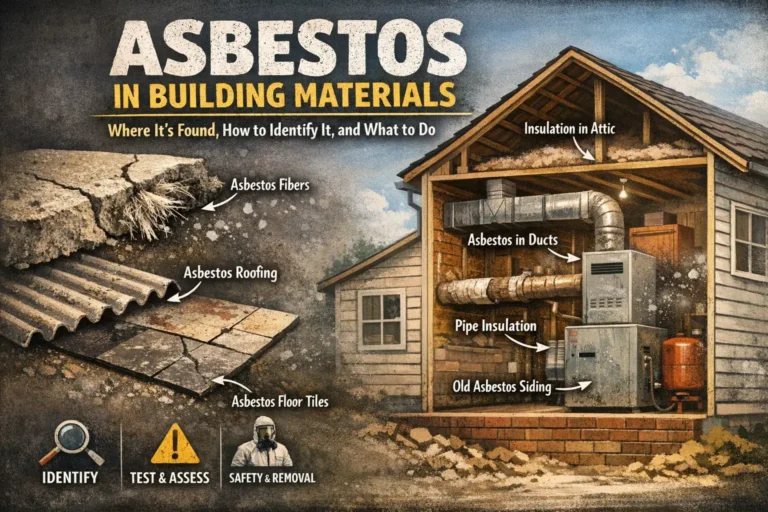
Asbestos-containing insulation was commonly applied to hot-water pipes, steam lines, boilers, and other heat-generating equipment.
It may appear as molded sections around pipes, layered wraps, insulating blocks, or a hard outer coating. Some older systems also have fabric coverings or protective jackets around the insulation.
In industrial facilities, damaged pipe insulation can present particular concerns because maintenance workers may encounter it during repairs, valve replacement, equipment servicing, or insulation upgrades.
2. Attic and Wall Insulation
Some older buildings contain asbestos-containing insulation in wall cavities, lofts, ceiling spaces, or around heating systems. Certain loose-fill products, insulating boards, and specialized materials may contain asbestos.
Not all attic insulation contains asbestos. Fiberglass, cellulose, and mineral wool are different materials, although visual inspection alone may not reliably distinguish every product or identify contamination.
Avoid disturbing unfamiliar insulation simply to determine what it contains.
3. Spray-Applied Insulation and Fireproofing
Asbestos was sometimes mixed into sprayed coatings applied to structural steel, ceilings, walls, and other building surfaces. These products could provide thermal insulation, fire resistance, or acoustic control.
Sprayed asbestos-containing materials can be particularly concerning when they are soft, damaged, exposed, or poorly bonded to the underlying surface. Fibers may become airborne if the material deteriorates or someone drills, scrapes, cuts, or removes it.
4. Insulating Boards and Building Panels
Some asbestos-containing insulating boards were used around fireplaces, boilers, heating appliances, electrical equipment, and service areas.
These products may resemble cement boards or other rigid construction panels. Their appearance is not enough to determine whether they contain asbestos.
5. Industrial Equipment and High-Temperature Systems
Factories, power stations, refineries, workshops, and older manufacturing facilities may contain asbestos insulation around:
- Steam turbines and generators
- Industrial ovens and furnaces
- Boilers and heat exchangers
- Exhaust systems and hot ducts
- Valves, flanges, and removable equipment covers
A site-specific asbestos survey can help identify these materials before maintenance, demolition, or equipment replacement begins.
Types of Asbestos Insulation
Different asbestos insulation products have different physical properties and levels of risk. Understanding these differences helps building professionals plan inspections and maintenance.
Common Types of Asbestos Insulation
| Type | Typical application | Main concern |
| Pipe lagging | Steam pipes and hot-water systems | Can release fibers when damaged |
| Loose-fill insulation | Wall cavities and roof spaces | Fibers can become airborne easily |
| Sprayed insulation | Ceilings, beams, and structural steel | May release fibers after minor disturbance |
| Asbestos insulating board | Boiler enclosures, partitions, and fire protection | Cutting or breaking may release fibers |
| Insulating blankets and felts | Industrial equipment and hot surfaces | Worn or deteriorating material may release fibers |
| Insulating cement | Pipes, boilers, and equipment joints | Cracking and removal can release fibers |
The UK Health and Safety Executive identifies pipe lagging, sprayed coatings, and loose-fill asbestos as particularly hazardous materials because they can release fibers readily when disturbed. See its guidance on asbestos locations and materials.
How to Identify Asbestos Insulation
Identifying suspected asbestos insulation requires caution. Its color, texture, age, and location may provide clues, but none can confirm its composition.
Signs That May Indicate Asbestos Insulation
Potential warning signs include:
- Old, fibrous coverings around steam pipes or boilers.
- Brittle, crumbly insulation on heating equipment.
- Layered wraps or fabric coverings around hot pipes.
- Loose, lightweight material inside wall or ceiling cavities.
- Older insulating boards around fireplaces or industrial equipment.
- Damaged coatings on structural beams or ceilings.
These characteristics are not exclusive to asbestos. Modern mineral wool, fiberglass, and other insulating materials may look similar.
Can You Identify Asbestos by Looking at It?
No. You cannot reliably confirm asbestos through visual inspection alone. A material that looks like asbestos may contain no asbestos, while a painted or sealed product may contain asbestos without showing visible fibers.
Laboratory analysis of an appropriately collected sample can confirm whether asbestos is present. A qualified asbestos professional should assess the material and arrange sampling when necessary.
Do not cut, scrape, break, drill, or collect a sample from suspected insulation yourself. The US Environmental Protection Agency recommends using trained professionals because improper sampling can release hazardous fibers. Read the EPA’s guidance on identifying suspected asbestos materials.
Health Risks of Asbestos Insulation
The main health concern associated with asbestos insulation is inhalation of microscopic fibers. When asbestos-containing material deteriorates or becomes disturbed, fibers may enter the air and reach the lungs.
Risk depends on factors such as the intensity, duration, and frequency of exposure, the material involved, and the amount of airborne fiber released.
Asbestos-Related Diseases
Asbestosis: A chronic lung disease in which inhaled asbestos fibers cause scarring of lung tissue. Severe cases can lead to breathing difficulties.
Lung cancer: Asbestos exposure increases the risk of lung cancer. Smoking further increases the risk among people exposed to asbestos.
Mesothelioma: A rare and aggressive cancer affecting the lining of the lungs or other organs. Asbestos exposure is a major established cause.
Other cancers: Asbestos exposure has also been associated with cancers of the larynx and ovaries.
These diseases may take decades to develop after exposure. A person may not experience immediate symptoms after inhaling asbestos fibers.
The EPA explains that asbestos exposure can cause serious disease, but the presence of asbestos in a building does not mean everyone inside will become ill. Learn about asbestos health risks.
What Should You Do If You Find Suspected Asbestos Insulation?
The correct response is to prevent disturbance and arrange an appropriate assessment. Avoid trying to solve the problem through ordinary cleaning or DIY repairs.
Immediate Safety Steps
- Stop work: Stop drilling, cutting, demolition, or maintenance near the suspected material.
- Keep people away: Restrict access to the affected area, especially if the insulation is damaged.
- Avoid disturbing dust: Do not sweep, brush, sand, or use an ordinary household vacuum on suspected asbestos debris.
- Do not handle the material: Avoid touching, breaking, or collecting pieces.
- Seek professional advice: Contact a qualified asbestos inspector or occupational health and safety professional.
- Document the concern safely: Record the material’s location and visible condition without touching it or approaching damaged areas unnecessarily.
If the material has already been disturbed, avoid further activity and inform the professional about what happened. If substantial dust or debris is present, keep the area isolated until appropriate advice is available.
Asbestos Insulation Testing and Inspection
A professional asbestos inspection helps determine whether suspected materials contain asbestos and whether they pose a risk during normal use or planned work.
What Does an Inspection Involve?
Depending on the building and the purpose of the inspection, the process may include:
- Reviewing building age, construction records, and previous asbestos surveys.
- Examining accessible insulation and other suspect materials.
- Assessing damage, deterioration, accessibility, and the likelihood of disturbance.
- Collecting samples when appropriate, using suitable precautions.
- Sending samples to a competent laboratory for analysis.
- Preparing a report with findings and recommendations.
A laboratory result confirms the composition of the sample tested. It does not automatically establish the condition of every similar material throughout a building.
When Is Asbestos Testing Necessary?
Consider a professional assessment before:
- Renovating or demolishing an older building.
- Replacing boilers, pipes, or heating systems.
- Drilling into walls, ceilings, or insulating boards.
- Repairing damaged insulation.
- Purchasing or managing a property where asbestos may be present.
- Planning industrial maintenance that could disturb older thermal insulation.
For property managers and facility engineers, an asbestos register and maintenance plan can help contractors identify hazards before work begins.
Asbestos Insulation Removal: What to Know
Removing asbestos insulation can create substantial exposure if workers disturb the material without suitable controls. Removal should not be treated as an ordinary insulation replacement project.
Why Professional Removal Matters
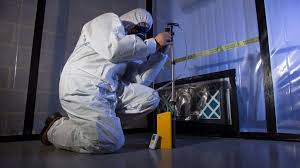
Qualified asbestos contractors assess the material, select suitable controls, establish work-area restrictions, and follow applicable regulations. Depending on the project, controls may include containment, specialized respiratory protection, controlled removal procedures, and appropriate waste handling.
Requirements vary by jurisdiction and by the type and condition of the asbestos-containing material. For example, the UK HSE requires licensed contractors for many high-risk insulation removal activities. Local rules must be checked before work begins.
Does All Asbestos Insulation Need to Be Removed?
No. Removal is not always the safest or most practical option.
If asbestos-containing insulation remains in good condition and will not be disturbed, managing it in place may reduce the risk of fiber release. A professional may recommend monitoring, repair, sealing, enclosure, or removal, depending on the material and circumstances.
Damaged, exposed, or easily disturbed insulation may require more urgent action. The decision should follow a professional assessment rather than a blanket rule that all asbestos must be removed immediately.
How to Prevent Asbestos Exposure in Older Buildings
A proactive management plan can help reduce the chance of accidental disturbance.
Recommended Safety Practices
- Maintain an up-to-date asbestos register where appropriate.
- Inform maintenance workers and contractors about known or suspected asbestos.
- Inspect identified materials periodically without disturbing them.
- Repair leaks and other building problems that could damage insulation, using suitable professionals.
- Arrange a competent survey before renovation or demolition.
- Follow local requirements for asbestos handling, transport, and disposal.
- Keep records of inspections, laboratory results, repairs, and removal work.
In factories and industrial plants, include asbestos checks in maintenance planning for boilers, steam lines, furnaces, and older mechanical equipment. Workers should know when to stop work and report a suspected asbestos-containing material.
Asbestos Insulation vs. Modern Insulation
Modern insulation products can provide thermal performance without intentionally using asbestos. Common alternatives include fiberglass, mineral wool, cellulose, and suitable high-temperature insulation products.
However, not every alternative is suitable for every application. Boiler rooms, steam systems, industrial furnaces, and fire-rated assemblies require materials selected for their operating temperature, mechanical conditions, moisture exposure, and relevant safety standards.
When replacing suspected asbestos insulation, professionals should evaluate the full system rather than choosing a product based only on price or appearance. They should also ensure that any replacement meets applicable fire, thermal, and industrial requirements.
Conclusion
Asbestos insulation played an important role in older buildings and industrial equipment because of its heat resistance and insulating properties. Today, its potential to release hazardous airborne fibers makes careful identification and management essential.
Suspected asbestos insulation cannot be confirmed by appearance alone. Professional assessment and laboratory testing can establish what a material contains, while a risk-based management plan helps determine whether to monitor, repair, enclose, or remove it.
For homeowners, contractors, and facility managers, the most important step is to avoid disturbing suspicious material until its risks have been assessed. Have you checked whether the older insulation in your building could contain asbestos before planning maintenance or renovation?
Frequently Asked Questions
1. What is asbestos insulation used for?
It was used to insulate pipes, boilers, furnaces, walls, ceilings, and industrial equipment.
2. What does asbestos insulation look like?
It may appear as fibrous pipe wrapping, loose-fill material, rigid boards, or sprayed coatings. Appearance cannot confirm asbestos.
3. Is asbestos insulation dangerous if left undisturbed?
Material in good condition that remains undisturbed is generally less likely to release fibers. Its condition should still be assessed.
4. Can asbestos insulation cause cancer?
Yes. Inhalation of asbestos fibers can cause lung cancer, mesothelioma, and other serious diseases.
5. How can I test asbestos insulation?
Arrange an assessment by a qualified professional who can collect an appropriate sample for laboratory analysis.
6. Should I remove asbestos insulation from my home?
Not always. Depending on its condition and the likelihood of disturbance, professional advice may favor management in place or removal.
7. Is old pipe insulation always asbestos?
No. Older pipe insulation may contain asbestos, but other insulating materials look similar. Testing is needed for confirmation.
8. Can I remove asbestos insulation myself?
Avoid DIY removal, especially for pipe lagging, loose-fill insulation, and sprayed coatings. Use appropriately qualified professionals and follow local regulations.
9. When was asbestos insulation commonly used?
It was widely used during the twentieth century, but dates of use varied by country, product, and manufacturer.
10. What should I do if asbestos insulation is damaged?
Stop work, keep people away, avoid disturbing debris, and contact a qualified asbestos professional for advice.