Asbestos Analysis Laboratories: Why Testing Matters, Especially for Popcorn Ceilings

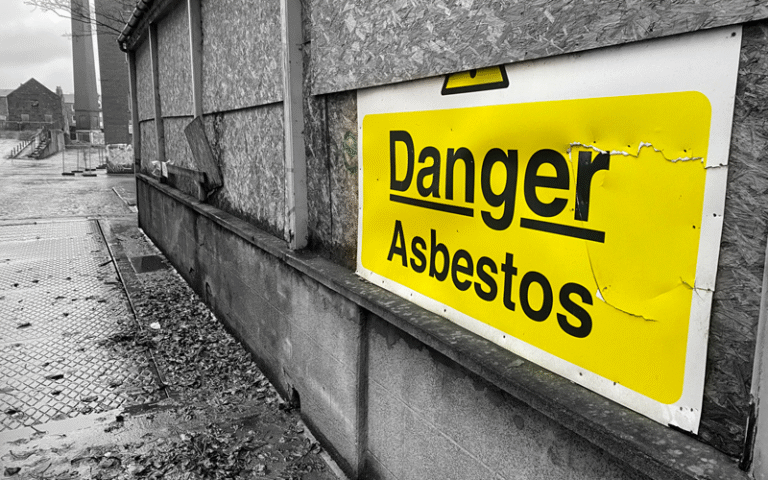
If you manage, renovate, or own an older building — particularly one with a textured or “popcorn” ceiling — you probably want to make sure it’s safe. That’s where asbestos analysis laboratories come in. Their work helps you determine whether building materials contain asbestos, and — based on that — decide whether to encapsulate, repair, or remove. In this article, we reveal how these labs operate, why using them isn’t optional (but critical), and what every professional should know before disturbing suspect surfaces especially outdated popcorn ceilings.
What Are Asbestos Analysis Laboratories — and Why They’re Essential
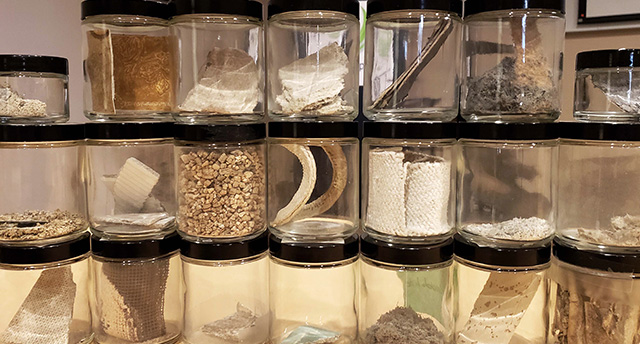
An asbestos analysis laboratory is a specialized facility that analyzes building materials (or sometimes air/surface samples) to detect asbestos fibers. These labs provide definitive answers on whether material contains asbestos, what kind (if any), and — often — roughly how much. That information determines safety measures, compliance, and next steps (removal, encapsulation, monitoring).
Common Testing Methods Used
- Bulk sampling & lab analysis: Suspect materials (popcorn ceiling texture, plaster, insulation, tiles, etc.) are carefully sampled under containment to avoid releasing fibers. The sample is then analyzed microscopically.
- Polarized Light Microscopy (PLM): This is the most common technique for identifying asbestos fibers in bulk sample materials. It can distinguish fiber types (e.g. chrysotile, amosite, crocidolite) by their optical properties.
- Advanced methods (when necessary): For low concentrations or very fine fibers that PLM might miss, labs might use higher-resolution methods such as Transmission Electron Microscopy (TEM).
- Air monitoring (post-remediation or in situ): To assess exposure risk, especially after disturbance or removal work, some labs or consultants measure airborne fiber concentration using air-sampling and fiber counting techniques.
Because asbestos fibers are often microscopic and uniformly mixed within building materials, visual inspection alone is unreliable. The only dependable way to confirm presence — or absence — is a lab-based test.
Popcorn Ceilings: Why They Are Frequent Subjects of Asbestos Analysis
What is a Popcorn Ceiling
A “popcorn ceiling” — also known as an acoustic ceiling, stipple ceiling, or textured ceiling — is a spray-applied or paint-on finish that produces a bumpy, textured surface rather than smooth plaster or drywall. It was popular in homes from roughly the 1950s through the 1980s because it helped hide imperfections, provided some sound-dampening, and simplified installation.
Originally, many of these textured coatings included raw mineral additives — including asbestos — because of their fire resistance, durability, and textural consistency.
How Common Was Asbestos in Popcorn Ceilings
- For many popcorn ceilings applied before 1980, the asbestos content by volume was often in the 1–10% range.
- Even ceilings installed in early 1980s may still pose risk — because existing stockpiles of asbestos-containing materials were sometimes used after bans took effect.
- Because of this, many building-safety experts recommend assuming that any textured ceiling from pre-1985 (or unknown installation date) is potentially asbestos-containing, unless tested.
Why Risk Isn’t Trivial
- Textured (spray-applied) ceilings tend to be friable — meaning the material crumbles or becomes dusty easily. That makes them more likely to release fibers if disturbed (e.g. during renovation, drilling, scraping, painting, or water-damage repair).
- Once asbestos fibers become airborne and are inhaled, they pose serious long-term health risks — including chronic lung disease, lung cancer, and cancers such as mesothelioma.
Because of these risks, knowing whether a ceiling contains asbestos is more than just a regulatory or compliance issue — it’s a matter of health and safety.
Common Misconceptions & Why Accredited Lab Testing Matters
Many people assume they can “eyeball” a popcorn ceiling and know whether it’s asbestos-containing. Others think DIY test kits are enough. Both assumptions are risky — often dangerously so.
Why You Can’t Rely on Visual Inspection
- Asbestos-containing and non-asbestos popcorn ceilings can look identical — same texture, color, thickness. The only difference is microscopic fiber content that can’t be seen with the naked eye.
- Even age or location (home built in the 1970s / 1980s) is only a clue — not proof. Asbestos was sometimes used even in the early 1980s, so date-based assumptions can fail.
DIY Test Kits Are Not Equivalent to Lab Testing
- DIY kits, while sometimes useful as screening tools, often lack the methodological rigor of accredited labs. Sampling may be done incorrectly, or not representative (e.g. only one small spot). That increases the risk of false negatives.
- Even labs using standard techniques (like PLM) can miss tiny fibers under certain conditions. That’s why advanced methods (e.g. TEM) are sometimes needed — especially for low asbestos percentages or mixed-fiber materials.
- As one authoritative survey noted, if any sample shows more than 1% asbestos by weight (bulk sample), the entire material (e.g. ceiling) must be treated as asbestos-containing material (ACM).
In short: only accredited, professional asbestos analysis labs provide defensible, reliable results — critical for health, legal, and renovation decisions.
Best Practices: What Building Owners, Managers, and Contractors Should Do
Given the risks and the uncertainties, it helps to approach asbestos management the same way you’d handle a hazard assessment. Here’s a recommended protocol for dealing with suspect ceilings or building materials:
- Assume risk if building is old or ceiling date is unknown
- Treat any popcorn/textured ceiling installed before the mid-1980s (or with unknown installation date) as potentially containing asbestos, until proven otherwise.
- Treat any popcorn/textured ceiling installed before the mid-1980s (or with unknown installation date) as potentially containing asbestos, until proven otherwise.
- Hire a trained inspector for sampling
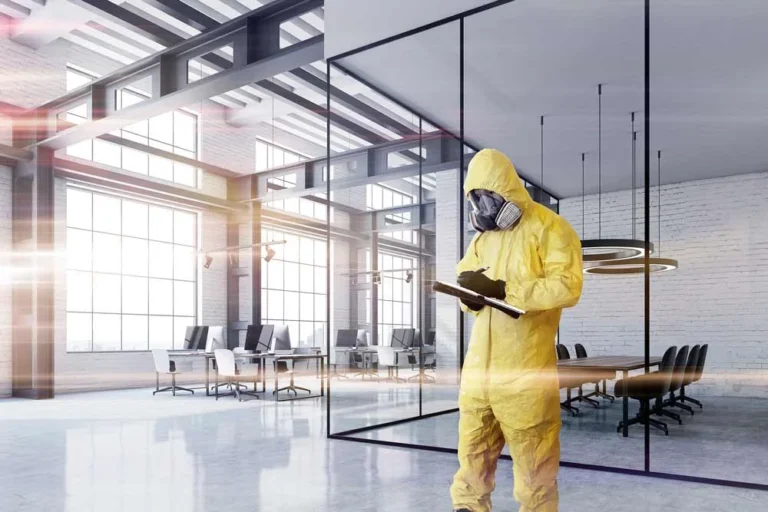
- Sampling should be done by professionals wearing protective gear, using wet methods or containment to avoid fiber release.
- Collect multiple samples from different areas — because asbestos distribution in textured ceilings may not be uniform. Some protocols call for 3, 5, 7, or more samples depending on ceiling size.
- Sampling should be done by professionals wearing protective gear, using wet methods or containment to avoid fiber release.
- Send samples to an accredited asbestos analysis laboratory
- Ensure the lab uses recognized analysis methods (PLM at minimum; TEM or other advanced methods when needed).
- Obtain a detailed report: fiber type(s), concentration (%), friability rating, and risk assessment.
- Ensure the lab uses recognized analysis methods (PLM at minimum; TEM or other advanced methods when needed).
- Interpret the results carefully — even low asbestos percentages require caution
- Many guidelines classify material as asbestos-containing if ANY sample exceeds threshold (often ~1% by weight).
- “Asbestos presence = asbestos presence” — regardless of whether the percentage seems small. Even small amounts can pose risk if disturbed or damaged.
- Many guidelines classify material as asbestos-containing if ANY sample exceeds threshold (often ~1% by weight).
- Decide on management strategy: encapsulation, removal, or safe maintenance
- If the material is undisturbed and in good shape, encapsulation (sealing) may suffice, under a safe maintenance plan.
- If renovation, drilling, demolition, or major changes are planned — removal (abatement) by licensed professionals is strongly recommended.
- After abatement, consider air-quality monitoring/clearance testing to verify that fibers are no longer airborne.
- If the material is undisturbed and in good shape, encapsulation (sealing) may suffice, under a safe maintenance plan.
- Maintain documentation and labeling
- Keep lab reports, location maps of tested areas, remediation records.
- Label areas known to be asbestos-containing, so future contractors or occupants are aware. This reduces the risk of accidental disturbance later.
- Keep lab reports, location maps of tested areas, remediation records.
By viewing asbestos analysis as a safety-first, methodical process — not a box to check or an optional extra — you greatly reduce health risks and ensure a defensible compliance path.
Why Asbestos Analysis Laboratories Are Not Optional — They’re Critical
Think of asbestos analysis labs as the forensic labs of building safety. Without them, you’re relying on guesswork, outdated assumptions, or incomplete information — and when it comes to asbestos, that’s dangerous.
Because:
- Asbestos fibers are invisible, microscopic, and often evenly distributed.
- Popcorn ceilings and other textured materials were often produced with asbestos before bans — and many still remain today in older buildings.
- Health risks (lung disease, cancer) arise decades after exposure. You might never know the danger until it’s too late.
- Anytime a ceiling is disturbed — renovation, drilling, water damage — it could release fibers. Without testing, there’s no way to know if asbestos was present.
In short: if you manage older buildings, plan renovation, or handle maintenance — a legitimate asbestos analysis lab isn’t a “maybe.” It’s an essential safeguard.
Conclusion
Older buildings — especially those with textured or “popcorn” ceilings — often hide more than just retro design. Beneath that bumpy finish, there may lurk asbestos fibers: invisible, dangerous, and likely to become hazardous if disturbed.
Only a professional, accredited asbestos analysis laboratory can tell you with certainty whether your ceiling (or other materials) contain asbestos — and, based on that, help you make informed, safe decisions: leave intact under safe maintenance, encapsulate, or remove. For building owners, facility managers, landlords, or renovation professionals: treating asbestos analysis as optional is a risk not worth taking.
Instead, treat it as a necessary step toward safeguarding health, compliance, and peace of mind. Because when it comes to asbestos — guesswork is not good enough.
FAQs
Q: Can I tell if a popcorn ceiling contains asbestos just by looking at it?
No. Asbestos fibers are microscopic and evenly mixed into the ceiling texture. Even professionals can’t reliably distinguish asbestos-containing ceilings from “safe” ones simply by sight.
Q: Are DIY asbestos test kits enough?
Not for reliable safety or compliance. DIY kits often lack rigorous sampling or analytical methods, and may miss asbestos fibers — especially if fibers are fine or asbestos concentration is low. For dependable results, samples should be taken by trained professionals and analyzed in accredited labs.
Q: If a lab report shows only 1% asbestos — is that safe enough to leave the ceiling as is?
No — most guidelines classify material with any asbestos above threshold (often ~1% by bulk weight) as “asbestos-containing material (ACM).” Even small amounts can become dangerous if the material is disturbed.
Q: What should I do if asbestos is confirmed?
You have generally two management options:
- If the ceiling is in good condition and will remain undisturbed: encapsulate and manage under a safe maintenance program.
- If renovation, demolition, or changes are planned: hire licensed asbestos abatement professionals for safe removal and disposal, follow regulatory protocols, and do clearance air-quality testing afterward.
Q: When should I test for asbestos?
You should test before any renovation, demolition, remodeling, or if you suspect damage (e.g. water leaks, crumbling texture). Also, if you own or manage an older building (built or renovated pre-1985) with textured surfaces, testing should be considered a baseline safety measure.