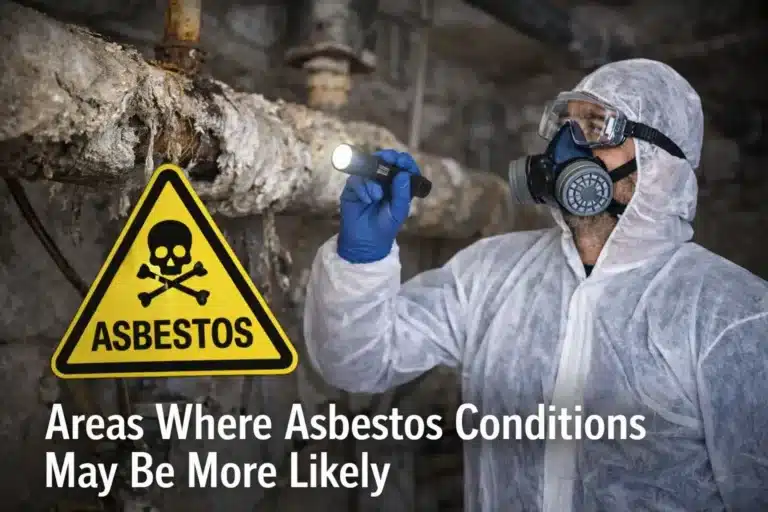
Indoor Air Quality and Asbestlint: Risks, Sources, and Prevention
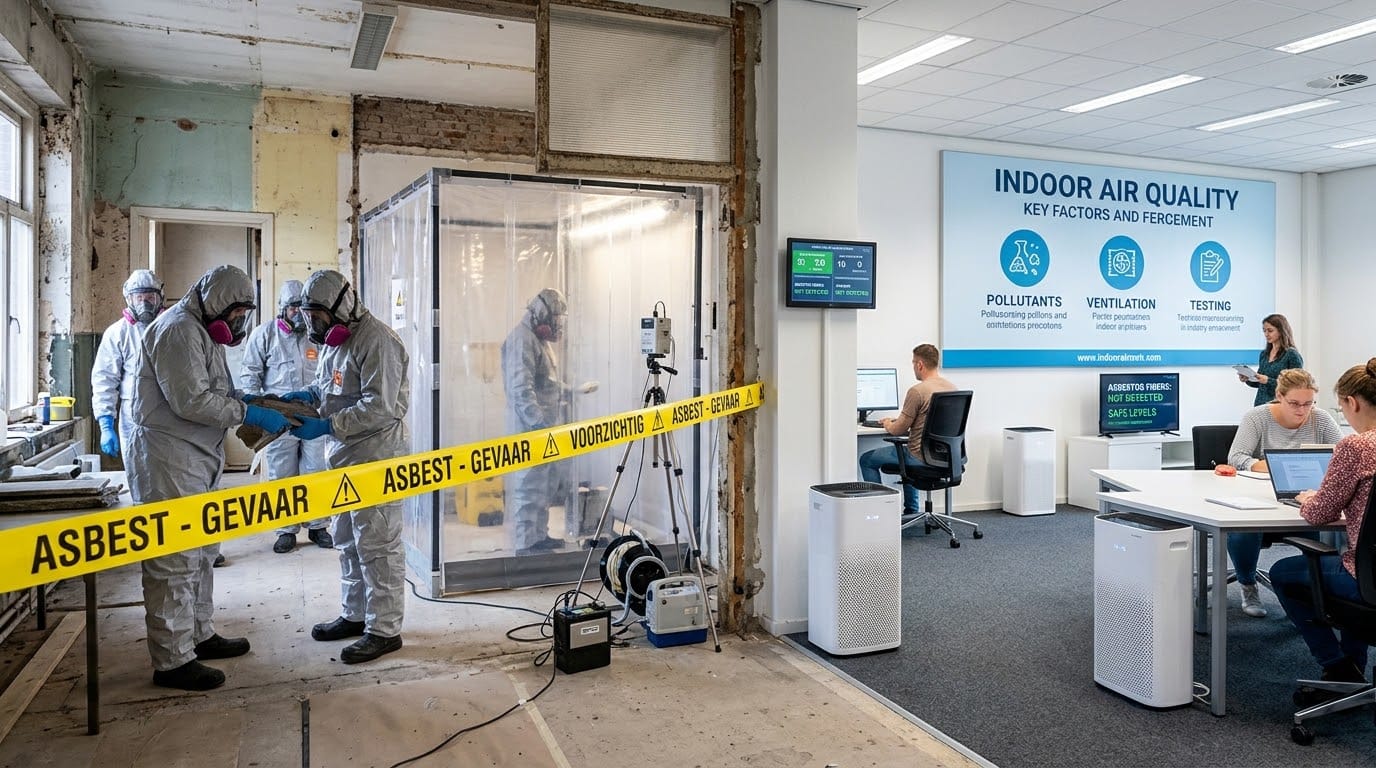
Indoor air quality affects the health of homes and workplaces. Dust and fibers accumulate on surfaces and circulate through ventilation systems, while some particles may come from deteriorating building materials and require careful attention.
Understanding the link between indoor air quality and Asbestlint helps distinguish ordinary dust from potential asbestos hazards. Here, Asbestlint is a descriptive term for lint, dust, and fibers where asbestos may be a concern, not a recognized scientific material. Understanding particle sources and airflow helps property owners identify risks and determine when professional testing is needed.
What Is Asbestlint in the Context of Indoor Air Quality?
The term Asbestlint may appear in discussions about household lint, airborne dust, and asbestos awareness. However, it should not be confused with an officially recognized material category in asbestos science.
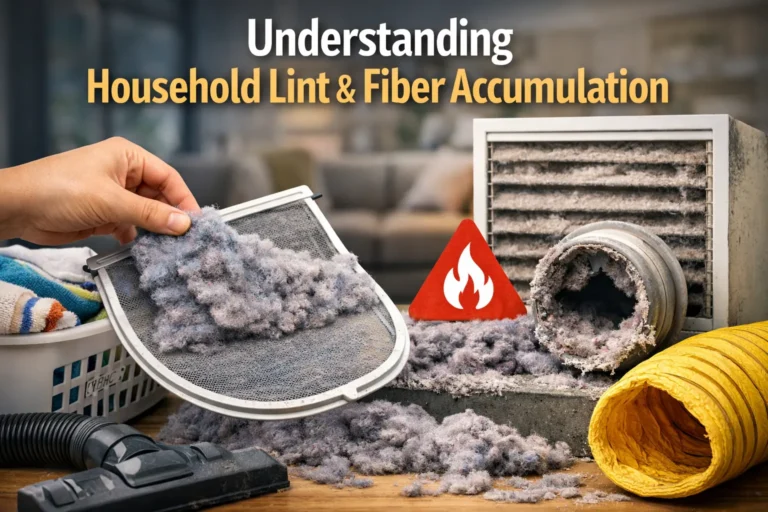
Household lint generally consists of textile fibers released from clothing, bedding, carpets, upholstery, and other fabric products. Indoor dust is more complex and can contain soil, pollen, skin flakes, pet dander, combustion particles, and fragments of various materials.
Asbestos is different. It refers to a group of naturally occurring fibrous minerals that were historically used in insulation, fireproofing, cement products, flooring, and other building materials.
When discussing Asbestlint and indoor air quality, the most useful approach is to examine three separate issues:
- Ordinary lint accumulation: Fibers released from fabrics and household activities.
- General indoor dust: A mixture of particles originating indoors and outdoors.
- Potential asbestos contamination: Airborne fibers that may be released when asbestos-containing materials become damaged, disturbed, or improperly handled.
These categories can overlap in the same indoor environment, but they are not interchangeable. A dusty surface or visible fiber does not establish the presence of asbestos.
Why Indoor Air Quality Matters
People spend a substantial amount of time inside homes, offices, schools, shops, and industrial buildings. Consequently, the quality of indoor air can influence everyday comfort and exposure to airborne pollutants.
The U.S. Environmental Protection Agency (EPA) identifies indoor air pollution as an important environmental health concern. Its guidance explains that indoor pollutant concentrations can sometimes exceed outdoor levels, depending on pollutant sources, ventilation, and building conditions.
Indoor air quality depends on several interconnected factors:
- Pollutant sources: Dust, smoke, cleaning products, building materials, and biological particles.
- Ventilation: The movement of outdoor air into a building and the removal of indoor air.
- Filtration: The ability of HVAC filters and portable air cleaners to capture suitable airborne particles.
- Humidity and moisture: Conditions that can encourage mold growth and affect building materials.
- Human activities: Cooking, vacuuming, renovation, sweeping, and moving furniture can release particles.
Poor indoor air quality may contribute to irritation, allergic symptoms, or respiratory discomfort, depending on the pollutants involved and an individual’s sensitivity. Asbestos presents a different concern because inhaling asbestos fibers can cause serious diseases, including asbestosis, lung cancer, and mesothelioma.
The practical objective is not to eliminate every particle from indoor air. It is to reduce avoidable exposure and identify hazardous sources before they create a larger problem.
Common Sources of Indoor Lint, Dust, and Airborne Fibers
Understanding where indoor particles originate helps determine which prevention measures are appropriate.
1. Clothing, Bedding, and Upholstery
Textiles release small fibers during normal use, washing, drying, and abrasion. Clothes dryers, blankets, carpets, curtains, and upholstered furniture can all contribute to household lint.
Most ordinary textile lint does not indicate an asbestos hazard. Regular laundering, suitable vacuuming, and cleaning dryer lint traps can help manage this material.
2. Carpets and Floor Coverings
Carpets trap dust, pollen, soil, pet hair, and textile fibers. Walking across a carpet can resuspend some settled particles into the air.
Older flooring materials require additional consideration if renovation or removal is planned. Certain vinyl floor tiles, sheet flooring, and associated adhesives or backing materials may contain asbestos. Their age and appearance alone cannot reliably establish their composition.
3. Heating, Ventilation, and Air Conditioning Systems
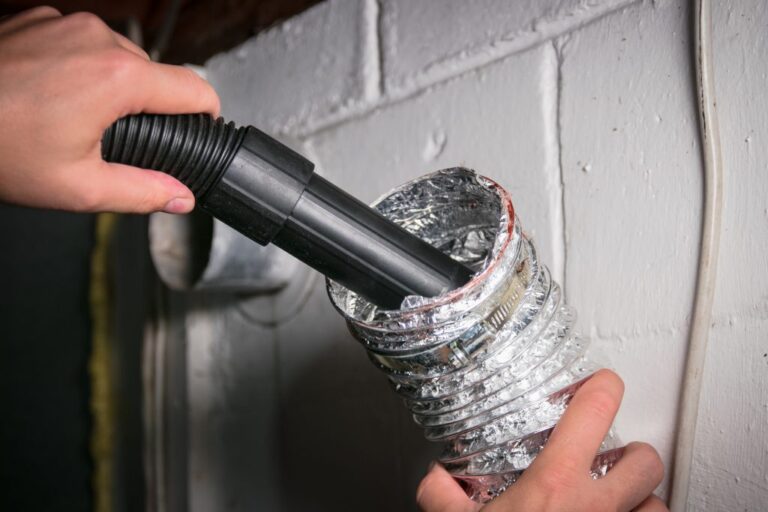
HVAC systems circulate air throughout a building. Filters can capture some airborne particles, but poorly maintained systems may allow dust to accumulate around returns, vents, and other components.
Dust around an air vent does not prove that the ventilation system contains asbestos. However, if damaged insulation or another suspected asbestos-containing material is present inside a duct or mechanical room, avoid disturbing it and seek a qualified assessment.
4. Building Materials and Renovation Activities
Some older buildings contain asbestos in insulation, textured coatings, ceiling materials, cement products, and floor coverings. Drilling, sanding, cutting, scraping, or demolishing these materials can release fibers if asbestos is present.
The risk depends on the material’s composition and condition, as well as the activity performed. Intact asbestos-containing material may present a relatively low risk when left undisturbed, whereas improper renovation can increase exposure.
5. Outdoor Particles Entering Indoors
Dust can enter through open windows, doors, footwear, ventilation intakes, and gaps in the building envelope. Construction work, traffic, dry soil, and other outdoor sources can contribute to indoor particulate matter.
This is another reason that visible dust cannot be used to identify asbestos. Many different substances look similar to the naked eye.
How Asbestos Can Affect Indoor Air Quality
Asbestos becomes a significant indoor environmental concern when fibers are released from asbestos-containing materials and become airborne.
Historically, manufacturers used asbestos in numerous building products because it resists heat and provides useful insulating and reinforcing properties. Depending on local regulations and construction history, asbestos may still be present in older buildings.
Potential locations include:
- Pipe and boiler insulation.
- Some ceiling tiles and textured ceiling finishes.
- Certain vinyl floor tiles, sheet flooring, and flooring adhesives.
- Insulating boards and fire-resistant panels.
- Some cement sheets, roofing products, and exterior siding.
- Certain older industrial equipment and mechanical components.
These examples are not a complete inventory, and products vary by country, manufacturer, and construction period.
When Do Asbestos Fibers Become Airborne?
Asbestos fibers may be released when asbestos-containing materials deteriorate or undergo physical disturbance. Common examples include drilling into suspected insulation, breaking old cement boards, sanding textured surfaces, and removing flooring without appropriate precautions.
Normal aging does not automatically mean a material is releasing dangerous amounts of fibers. Material condition, accessibility, and the likelihood of disturbance all influence risk.
If a suspected material is intact and unlikely to be disturbed, leaving it in place and arranging professional monitoring when appropriate may be safer than attempting removal.
Why You Cannot Identify Asbestos by Sight
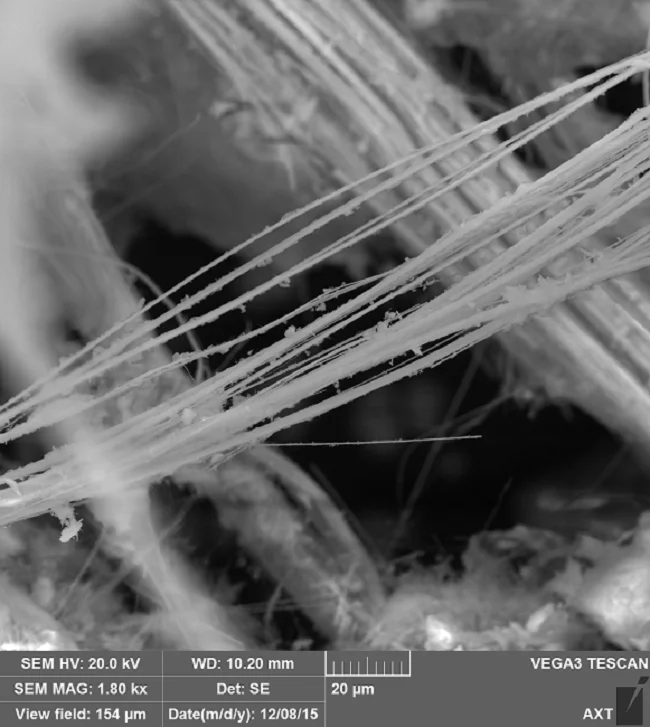
Asbestos fibers are generally too small to identify individually without specialized analytical methods. Ordinary household lint may be visible, but individual asbestos fibers are not reliably identifiable through visual inspection.
A photograph, color, texture, or simple home test cannot establish that a sample contains asbestos.
Laboratory analysis of suitable material samples, performed by qualified professionals using appropriate methods, can determine whether a building material contains asbestos. Air monitoring can assess airborne fiber concentrations when an exposure investigation or clearance assessment requires it.
These methods answer different questions: material testing identifies asbestos in the sampled material, while air testing measures airborne fibers according to the method used. Neither should be replaced by visual guesswork.
Health Risks Associated With Poor Indoor Air Quality
Indoor air pollutants do not all create the same health risks. Their effects depend on their chemical or physical properties, airborne concentration, exposure duration, and individual susceptibility.
Health Effects of Ordinary Dust
Household dust may contain allergens, fine particles, and other irritants. Depending on its composition, it can aggravate allergies, trigger asthma symptoms, or cause irritation of the eyes, nose, and throat.
Dust accumulation may also indicate that cleaning practices, ventilation, or filtration need improvement. However, dust levels alone cannot establish whether indoor air is safe or unsafe.
Health Effects of Asbestos Exposure
According to the Agency for Toxic Substances and Disease Registry (ATSDR), inhaling asbestos fibers can cause serious diseases, including:
- Asbestosis: Scarring of lung tissue that can make breathing difficult.
- Lung cancer: A malignant disease associated with asbestos exposure.
- Mesothelioma: A cancer affecting the lining of the lungs or other internal organs.
These diseases may take decades to develop after exposure. Risk depends on factors such as the amount inhaled, duration and frequency of exposure, and other individual factors. Smoking combined with asbestos exposure substantially increases lung cancer risk.
It is important to avoid drawing conclusions from symptoms alone. Ordinary dust irritation does not confirm asbestos exposure, and the absence of immediate symptoms does not prove that an exposure was harmless.
How to Improve Indoor Air Quality Safely
A practical indoor air quality strategy addresses pollution sources first, then improves ventilation and filtration. The approach must change if asbestos-containing material is suspected.
1. Control Everyday Dust and Lint
For routine household dust, consider these measures:
- Wash bedding and frequently used fabrics regularly.
- Clean dryer lint traps according to the manufacturer’s instructions.
- Use a vacuum cleaner with effective filtration suited to the task.
- Damp-wipe ordinary hard surfaces rather than dry-dusting them.
- Clean accessible ventilation grilles according to manufacturer guidance.
- Maintain suitable housekeeping practices in offices, workshops, and shared spaces.
These steps help control routine dust. They are not substitutes for asbestos-specific cleanup procedures.
Important: If dust or debris may have come from damaged asbestos-containing material, do not vacuum, sweep, or wipe it as though it were ordinary household dust. Stop activities that could spread it and seek qualified advice.
2. Maintain Appropriate Ventilation
Ventilation can dilute indoor pollutants when the incoming outdoor air is cleaner than the indoor air. Kitchen exhaust fans, bathroom exhaust systems, and properly designed mechanical ventilation can help manage everyday indoor contaminants.
However, ventilation is not a universal solution. Opening windows or operating fans may spread contamination if an asbestos release has occurred. Follow professional instructions before changing airflow in an area where airborne asbestos may be present.
3. Use Suitable Air Filtration
Portable air cleaners and HVAC filters can reduce some airborne particles. A high-efficiency particulate air (HEPA) filter can capture very small particles when incorporated into a properly designed and maintained filtration system.
When selecting filtration equipment, consider:
- The size of the room or area being served.
- The clean air delivery rate (CADR) of a portable unit.
- The filter’s efficiency and compatibility with the HVAC system.
- Maintenance requirements and replacement-filter availability.
- Whether the equipment could disturb or redistribute suspected contamination.
An ordinary consumer air purifier should not be treated as an asbestos remediation system. It cannot establish whether asbestos is present, guarantee safe air, or replace professional containment and cleanup.
4. Manage Moisture and Mold
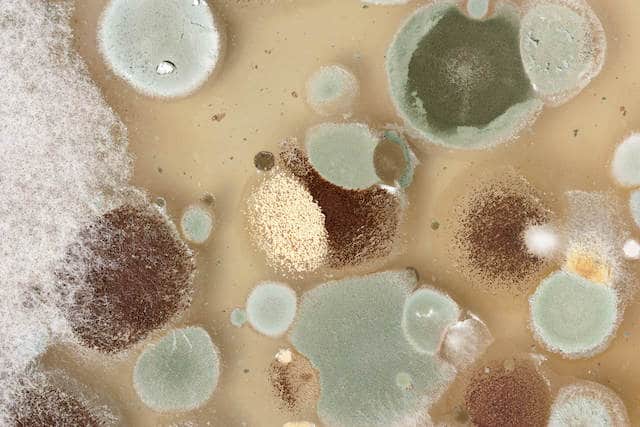
Water leaks, condensation, and persistent dampness can damage building materials and encourage mold growth. Repair plumbing leaks, address water intrusion, and maintain ventilation appropriate for the building and climate.
Moisture control is a general indoor air quality measure, not a way to neutralize asbestos. If water has damaged suspected asbestos-containing insulation, ceiling materials, or other products, avoid disturbing the affected area and arrange an appropriate assessment.
What to Do If You Suspect Asbestos Contamination
Finding damaged material or unusual dust in an older building can be concerning. A measured response is more useful than attempting to identify the material by appearance.
Follow these steps if you suspect asbestos-containing material has been disturbed.
Step 1: Stop the Activity
Stop drilling, sanding, scraping, demolition, or other work that could release more fibers. Do not touch, break, or collect the material yourself.
Step 2: Keep People Away
Restrict access to the affected area, especially for children, occupants, visitors, and untrained maintenance workers. Avoid actions that could spread dust into other rooms.
Step 3: Avoid Ordinary Cleaning Methods
Do not dry-sweep suspected asbestos debris, use a household vacuum, or use compressed air to blow dust away. These actions may disperse fibers.
Do not assume that a standard face mask or an open window makes the area safe.
Step 4: Contact a Qualified Professional
Arrange an assessment by a competent asbestos inspector or occupational/environmental health professional. Ask about material sampling, laboratory analysis, air monitoring, containment, and cleanup as appropriate to the situation.
Where available, use appropriately accredited professionals and laboratories. Check the applicable local regulations because certification and licensing requirements vary by country.
Step 5: Follow Clearance and Reoccupation Advice
For significant disturbance or remediation, ask the professional to explain the cleanup process and whether post-remediation inspection or air monitoring is appropriate before the area returns to normal use.
Air monitoring is not necessary for every minor household concern. A qualified professional should determine the appropriate scope based on the suspected material, disturbance, and circumstances.
Indoor Air Quality Management for Homes and Commercial Buildings
Property owners and facility managers need a consistent approach to routine air quality and potential hazardous-material concerns.
Residential Buildings
Homeowners should identify the approximate age and renovation history of their property, review accessible maintenance records, and investigate suspected asbestos-containing materials before renovation.
If potentially hazardous materials are intact and unlikely to be disturbed, leaving them in place may be safer than removing them unnecessarily.
Offices, Schools, and Commercial Facilities
Building managers should maintain records of suspected or confirmed asbestos-containing materials, where applicable. A practical management program may include:
- An asbestos register or materials survey.
- Periodic condition inspections by qualified personnel.
- Clear procedures for maintenance and renovation work.
- Staff training on recognizing and reporting suspected damage.
- Contractor requirements for asbestos assessment before intrusive work.
- Incident reporting and appropriate remediation procedures.
A written plan reduces the chance that a routine maintenance task will unintentionally disturb hazardous material.
Industrial and Mechanical Areas
Boiler rooms, plant rooms, older pipework, and mechanical equipment deserve particular attention during maintenance because historical insulation and heat-resistant products may contain asbestos.
Maintenance workers should not assume that old lagging, gaskets, boards, or insulation are asbestos-free based on appearance. Confirm the material’s status before cutting, removing, or repairing it.
Common Misconceptions About Asbestlint and Indoor Air Quality
Several misconceptions can lead to unnecessary concern or unsafe decisions.
Myth 1: All indoor lint contains asbestos.
No. Ordinary lint usually originates from textiles and other everyday materials. The presence of lint does not establish asbestos contamination.
Myth 2: You can identify asbestos by color or texture.
No. Visual inspection cannot reliably confirm asbestos. Appropriate material analysis is needed.
Myth 3: Every older building contains dangerous airborne asbestos.
No. Some older buildings contain asbestos-containing materials, but the risk depends on the material’s condition, whether it is disturbed, and the potential for fiber release.
Myth 4: Opening windows removes asbestos contamination.
No. Ventilation alone cannot establish or guarantee safe conditions after a suspected release. Airflow changes may also spread contamination.
Myth 5: An air purifier makes any asbestos problem safe.
No. Filtration may have a role in a professionally designed response, but a consumer air purifier cannot replace source control, containment, or qualified remediation.
Myth 6: If nobody has symptoms, the air must be safe.
No. Some health effects of asbestos exposure take decades to appear, and symptoms cannot reliably identify the source of an indoor pollutant.
Conclusion
Understanding the relationship between indoor air quality and Asbestlint begins with distinguishing ordinary household dust from potential asbestos hazards. While dust accumulation is common, visible dust does not confirm contamination, and a clean-looking room does not guarantee that all airborne pollutants are absent.
Good ventilation, proper filtration, regular maintenance, and moisture control help improve indoor air quality. However, suspected asbestos-containing materials require professional assessment, as visual inspection alone cannot confirm their presence.
Have you noticed unusual dust accumulation or damaged building materials in your home or workplace, and what steps have you taken to investigate the source?
Frequently Asked Questions
1. What does Asbestlint mean?
It is a descriptive term for discussions about lint, dust, fibers, and possible asbestos concerns.
2. Does ordinary lint contain asbestos?
No, ordinary lint usually comes from fabrics, but appearance alone cannot confirm contamination.
3. Can asbestos fibers be seen in indoor dust?
No, asbestos fibers cannot be reliably identified with the naked eye.
4. Can poor indoor air quality cause breathing problems?
Yes, certain indoor pollutants can irritate the lungs and worsen asthma.
5. Does every old ceiling contain asbestos?
No, only certain materials contain asbestos. Testing may be necessary.
6. How can I improve indoor air quality at home?
Reduce dust, maintain ventilation, control moisture, and use suitable air filtration.