Hidden Places Asbestos Can Exist That Experts Often Miss

When people talk about asbestos, most imagine old insulation, dusty ceiling tiles, or crumbling factory walls. But here’s the scary part asbestos can hide in places most homeowners and even some inspectors never think to check. And when it stays hidden, it becomes a silent risk sitting right inside your home.
If you’ve ever wondered “Where is asbestos found in homes?”, or if you’ve looked at your walls and asked yourself “What does asbestos even look like?”, this guide will walk you through the lesser-known hotspots. The goal is simple: help you understand where asbestos can secretly exist, how to spot signs of it, and how to know if you should test your home.
Let’s break down these hidden locations in an easy, friendly, and practical way—without scary jargon or overwhelming technical talk.
Why Asbestos Still Matters Today
Many people think asbestos is a “past problem.” But millions of older homes—especially those built before the 1990s—still contain asbestos in materials that look completely harmless.
A few quick facts to keep in mind:
- About 30 million homes in the United States may still contain asbestos, according to the Environmental Protection Agency (EPA).
- Asbestos was used in over 3,000 building products, so it’s more widespread than most homeowners realize.
- The danger increases when these materials are disturbed during remodeling, drilling, sanding, or even natural wear and tear.
Now let’s talk about the hidden places experts sometimes miss—and what you can do about them.
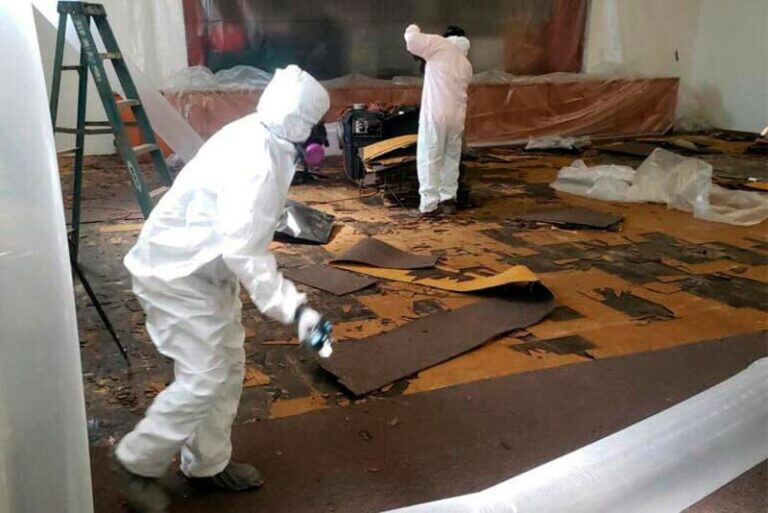
1. Inside Old Vinyl Floor Tiles and Hidden Adhesives
Many homeowners walk around on asbestos every day without knowing it.
Why it’s often missed
Older vinyl tiles, especially the 9×9 inch ones, often contain asbestos. But what many people don’t realize is this:
The glue beneath the tiles can also contain asbestos.
Even if a tile looks new, the layer underneath could be decades old.
Signs to watch for
- Curling or lifting tiles
- Cracking or brittleness
- Black “tar-like” adhesive under tiles
Why it’s dangerous
Once these materials crack or crumble during renovation, asbestos fibers can be released into the air.2. Inside Wall Cavities and Behind Plaster or Sheetrock
If you’re wondering “Where is asbestos found in walls?”, the answer may be deeper than you expect.
Hidden asbestos sources inside walls
- Old plaster mixed with asbestos fibers
- Drywall joint compound used between panels
- Soundproofing spray behind walls
- Asbestos insulation that migrated or deteriorated over time
Inspectors often test only the visible layers, missing what’s hidden deeper inside.
What it may look like
Many homeowners search for “pictures of asbestos in walls”, but asbestos is almost impossible to identify visually. It can look like ordinary plaster or drywall dust.
If you live in an older home, assume walls may contain asbestos until tested.
3. Beneath Old Carpet Backing and Underlay
This one surprises many people.
Why it’s missed
From the 1950s to the 1980s, manufacturers used asbestos to strengthen carpet underlay and provide fire resistance.
Because it’s hidden under layers of flooring, even experts may overlook it unless they remove the carpet.
What to check
- Old, stiff, yellowish carpet backing
- Underlay that crumbles when touched
- Fluffy, fibrous padding that looks “dusty”
If you’re planning to replace carpet, get it checked first.
4. Inside Old Heating Ducts and Hidden Pipe Wrapping
Heating systems and ductwork are prime hiding spots.
Common places asbestos hides
- Duct insulation wrapped in white or grey cloth
- Pipe wrap, especially if it looks chalky or crumbly
- Furnace gaskets and seals
Why experts miss it
Some insulation is tucked inside wall cavities or crawlspaces, making it easy to overlook during routine inspections.
5. Behind Kitchen Splashbacks and Old Countertops
This one feels unfair. The one place we clean the most can hide something harmful.
Materials that may contain asbestos
- Old backsplash panels
- Laminate countertops with asbestos-backed sheets
- Tile adhesive used in kitchens
These materials look completely normal—until you remove them during renovation.
6. Inside Old Electrical Components Nobody Thinks About
Electrical asbestos is real, and it’s often forgotten.
Hidden asbestos sources
- Fuse boxes
- Electrical panel arc shields
- Wiring insulation
- Old appliance components (toasters, irons, stoves)
Why it’s missed
Most inspectors focus on structural elements, not electrical parts.
7. Around Old Chimneys, Flues, and Fuel-Burning Appliances
Anything related to heat in older homes may have asbestos.
Common places
- Fireplace mortar
- Old flue pipes
- Chimney insulation
- Stove pads
Why it’s dangerous
Asbestos near heat sources can deteriorate faster and release fibers.
8. Under Old Roofing Materials and Exterior Siding
Asbestos wasn’t just an indoor problem.
Often overlooked exterior sources
- Cement siding panels
- Roof shingles
- Gutters and downpipes
- Roof felt
Exterior asbestos is usually less risky, but sanding, drilling, or high-pressure washing can release fibers.
9. Hidden in Attic Insulation and “Popcorn” Ceilings
Ah yes—popcorn ceilings.
What many people miss
Even if your popcorn ceiling was “painted over,” asbestos may still be beneath the surface.
Other attic hiding spots
- Old loose-fill insulation
- Vermiculite insulation contaminated with asbestos
- Old HVAC insulation
If your home was built before 1990, be cautious with anything in the attic.
10. Inside Old Door Panels and Fire-Resistant Doors
Doors? Yes, doors.
Why asbestos was used
Manufacturers added asbestos to boost fire resistance.
Where it hides
- Door cores
- Fire-rated doors in basements
- Old garage entry doors
These materials often go unnoticed until replaced.
How to Know If You Have Asbestos in Your Home
Here are practical steps—no complicated jargon:
1. Age of your home
If your home was built before 1990, assume asbestos may be present.
2. Don’t rely on looks
Asbestos doesn’t have one “look.” It can appear:
- dusty
- powdery
- fibrous
- chalky
- smooth
Pictures online won’t help you identify it.
3. Test suspected areas
A certified asbestos inspector can perform:
- bulk sampling
- air testing
- lab analysis
The only real way to confirm asbestos is through testing.
What You Should Never Do
❌ Never scrape, sand, drill, or cut unknown materials
This is the easiest way to release asbestos fibers.
❌ Never use DIY asbestos test kits
They often give false results and put you at risk.
❌ Never vacuum debris from old materials
Regular vacuum cleaners can blow asbestos fibers back into the air.
What You Should Do Instead
✔ Call a certified asbestos inspector
They know where to look—even the hidden places experts sometimes miss.
✔ Keep materials undisturbed
Asbestos is safest when it’s intact and untouched.
✔ Test before renovation
This is the most important rule.
Conclusion
Asbestos is sneaky. It hides in places many homeowners—and even some professionals—never think to look. From wall cavities and flooring adhesives to heating ducts and old electrical panels, asbestos can lurk almost anywhere in older homes. But the good news? Once you know these hidden locations, you’re already safer and more prepared than most.
If you’re planning renovations or you live in a home built before 1990, take the time to get suspicious areas tested. It’s a small step that can prevent a major health risk.
Your home should be your safe space, not a hidden hazard.
FAQs
1. What does asbestos look like in walls?
Asbestos inside walls usually looks like normal plaster, drywall mud, or insulation. You can’t identify it by appearance alone—testing is needed.
2. Where is asbestos most commonly found in homes?
Old floor tiles, popcorn ceilings, insulation, wall materials, roofing products, and adhesives are the most common sources.
3. How do I know if my house has asbestos?
You can only know through professional testing. Age and type of materials can raise suspicion, but they do not guarantee anything.
4. Can I remove asbestos myself?
No. DIY removal is dangerous and illegal in many areas. Always hire certified professionals.
5. Are all old homes unsafe?
Not necessarily. Asbestos is dangerous only when it’s damaged or disturbed. Many materials containing asbestos are safe if left intact.