Understanding Household Lint and Fiber Accumulation
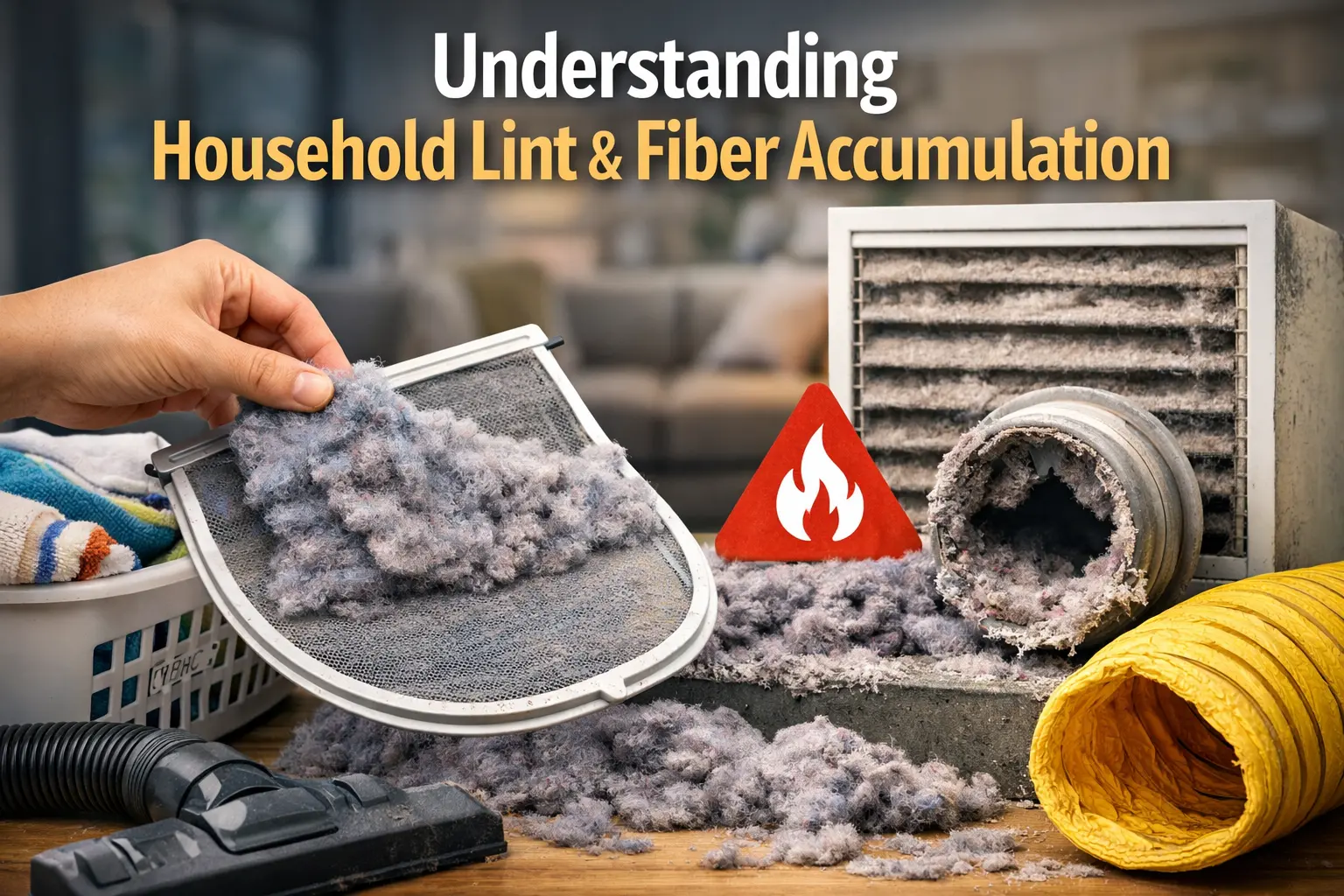
A practical, science-backed guide to what lint is, why it builds up, and how to control it
Household lint looks harmless. It’s soft, fluffy, and oddly satisfying to peel off a dryer filter.
But here’s the truth: lint and fiber accumulation can affect indoor air quality, reduce appliance efficiency, increase fire risk, and even worsen allergies.
Most people only think about lint when they clean the dryer trap. In reality, lint spreads throughout your home. It collects behind furniture, inside vents, on floors, and in HVAC systems.
Let’s break this down properly.
This guide explains:
- What household lint actually is
- Where it comes from
- Why fiber accumulation happens
- Health and safety concerns
- Practical ways to reduce lint buildup
- What trusted organizations say about lint-related risks
No myths. No exaggeration. Just real information.
What Is Household Lint?
Lint consists of tiny fibers that shed from textiles and other materials. These fibers come primarily from:
- Clothing
- Bedding
- Towels
- Upholstery
- Carpets
- Paper products
When fabrics rub against each other, wash, or tumble in a dryer, they release microscopic fibers. Over time, these fibers accumulate in the home.
The U.S. Consumer Product Safety Commission (CPSC) and the National Fire Protection Association (NFPA) both identify lint as a common byproduct of household laundry that can accumulate in dryer vents and filters.
Lint itself isn’t toxic. But when it builds up, problems start.
Why Do Fabrics Shed Fibers?
Fabric shedding happens due to friction and wear.
When you:
- Wash clothes
- Dry clothes
- Sit on sofas
- Walk across carpets
- Fold laundry
…you create friction. That friction loosens fibers from yarns.
Natural vs Synthetic Fibers
Different materials shed at different rates.
- Cotton and wool release natural fibers.
- Polyester and nylon release synthetic fibers (microplastics).
Studies published in environmental journals have shown that synthetic fabrics shed microfibers during washing, contributing to indoor and environmental pollution.
The International Union for Conservation of Nature (IUCN) has identified synthetic microfiber shedding as a source of microplastic pollution.
So yes, lint isn’t just dust. It often contains synthetic particles.
Where Does Household Lint Accumulate?
You might see lint in obvious places. But most accumulation hides where you don’t look.
1. Dryer Lint Trap
This is the most visible location.
The U.S. Fire Administration (USFA) states that failure to clean dryer vents is a leading cause of clothes dryer fires.
Lint collects:
- In the lint screen
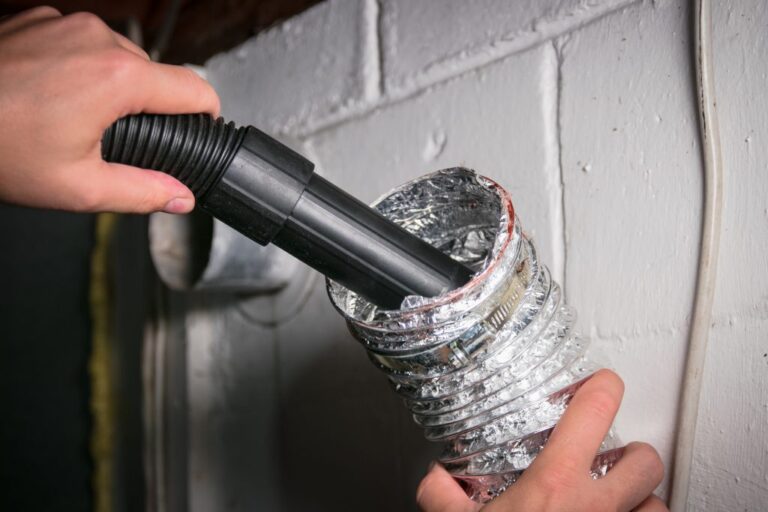
- Inside the dryer vent hose
- In exterior vent ducts
2. HVAC Systems
Heating and cooling systems circulate air. That air carries fibers.
Over time, lint collects in:
- Air filters
- Ductwork
- Return vents
The Environmental Protection Agency (EPA) explains that indoor air contains particulate matter from textiles and household dust, which HVAC systems can redistribute.
3. Under Furniture and Appliances
Air currents push fibers into corners and hidden spaces.
Lint builds up:
- Behind refrigerators
- Under beds
- Under sofas
- Along baseboards
4. Carpets and Rugs
Carpets trap fibers easily.
Vacuuming removes surface lint, but deeper layers hold onto fibers unless you use proper suction and filtration.
Is Lint Dangerous?
On its own, lint seems harmless.
But accumulation changes the story.
Fire Risk
The National Fire Protection Association (NFPA) reports that dryers cause thousands of home fires each year. The leading cause? Failure to clean.
Lint ignites easily because it is:
- Dry
- Lightweight
- Highly flammable
When lint blocks airflow in dryer vents, heat builds up. That combination increases fire risk.
This is not rare. It’s documented.
Indoor Air Quality Concerns
Lint contributes to household dust.
According to the EPA, indoor particulate matter can affect respiratory health, especially for:
- People with asthma
- People with allergies
- Children
- Elderly individuals
Lint often mixes with:
- Skin flakes
- Pet dander
- Pollen
- Dust mites
That mixture can irritate airways.
Microfiber and Microplastic Exposure
Synthetic lint contains microplastics.
Research published in environmental science journals confirms that indoor air contains airborne microfibers, many of which come from synthetic textiles.
Scientists continue to study long-term health effects. Current evidence shows inhalation exposure exists, but more research is needed to determine full health impact.
In short: lint isn’t harmless dust fluff. It contributes to indoor particulate load.
Why Does Lint Accumulate So Quickly?
You clean. You vacuum. You wipe surfaces.
Yet lint returns.
Here’s why.
1. Constant Fabric Use
Every day you:
- Wear clothes
- Sit on furniture
- Use towels
- Wash bedding
Each action releases fibers.
2. Air Circulation
Fans, HVAC systems, and open windows move fibers around.
Air never stays still. Neither does lint.
3. Synthetic Fabric Dominance
Modern homes contain large amounts of polyester and blended textiles.
Synthetic fabrics shed fine fibers that remain airborne longer than heavier particles.
4. Static Electricity
Dry environments increase static.
Static attracts lint to surfaces like:
- TV screens
- Walls
- Clothing
That’s why lint seems to “stick.”
How to Reduce Household Lint and Fiber Accumulation
You can’t eliminate lint completely. But you can control it.
Let’s stay practical.
1. Clean Your Dryer Properly
This matters most.
According to the U.S. Fire Administration:
- Clean the lint filter before or after every load.
- Inspect and clean dryer vents at least once a year.
Also:
- Check the outdoor vent flap for blockages.
- Avoid crushing vent hoses behind the dryer.
Professional vent cleaning services can help if buildup looks severe.
2. Upgrade Your HVAC Filters
Use high-quality filters that capture fine particles.
The EPA recommends checking filters regularly and replacing them according to manufacturer instructions.
If you live in a high-dust area or have pets, you may need more frequent changes.
Never run HVAC systems without a filter installed.
3. Vacuum With a HEPA Filter
A vacuum with HEPA filtration captures smaller particles instead of blowing them back into the room.
Focus on:
- Carpets
- Upholstery
- Baseboards
- Under furniture
Vacuum slowly. Speed reduces effectiveness.
4. Wash Smart
Laundry habits affect fiber release.
You can:
- Wash full loads to reduce friction
- Use gentler cycles when appropriate
- Avoid over-drying clothes
Over-drying increases fiber breakage.
Also consider air-drying occasionally. Less tumbling means less lint.
5. Choose Fabrics Wisely
Natural fibers like cotton and wool shed too. But synthetic fabrics contribute microplastics.
If possible:
- Choose high-quality textiles
- Avoid loosely woven, low-quality fabrics
Cheap fabric pills faster. Better construction reduces shedding.
6. Control Humidity
Dry air increases static, which increases lint cling.
Maintaining indoor humidity between 30–50% (as commonly recommended by indoor air quality experts and organizations like the EPA) helps reduce static buildup.
Use a humidifier if your climate runs dry.
7. Dust the Right Way
Dry dusting moves lint around.
Instead:
- Use microfiber cloths
- Lightly dampen cloths
- Clean from top to bottom
Gravity helps you, not the other way around.
The Link Between Lint and Allergies
Many people blame “dust” for sneezing.
Lint plays a role.
Lint combines with:
- Dust mites
- Pet dander
- Pollen
The American College of Allergy, Asthma & Immunology (ACAAI) notes that household dust often triggers allergic reactions.
Reducing fiber accumulation reduces dust load. That helps sensitive individuals breathe easier.
What About Dryer Sheets and Fabric Softeners?
Dryer sheets reduce static. They can help minimize lint sticking to clothes.
But they do not eliminate fiber shedding.
Some appliance manufacturers advise moderate use of softeners because residue can build up in dryers and lint screens.
If you use them:
- Clean the lint screen regularly with mild soap and water to remove residue film.
Can Lint Damage Appliances?
Yes.
Lint blocks airflow.
Blocked airflow forces dryers to work harder. That increases:
- Drying time
- Energy use
- Component wear
According to appliance safety guidance from manufacturers and fire agencies, restricted vents raise internal temperature.
Higher temperatures shorten appliance lifespan.
So cleaning lint doesn’t just reduce fire risk. It protects your wallet.
Signs You Have Excessive Lint Buildup
Watch for these red flags:
- Clothes take longer to dry
- Dryer feels unusually hot
- Burning smell during operation
- Excess lint around vent opening
- Visible dust clouds when vacuuming
If you notice heat and odor together, stop using the dryer and inspect it immediately.
The Environmental Angle
Lint doesn’t stay indoors.
When you vent dryers outside, fibers exit your home.
Research has shown that synthetic microfibers enter waterways through washing machine discharge and wastewater systems.
Scientists continue studying microfiber pollution. Environmental agencies recognize textile fibers as a contributor to microplastic presence in ecosystems.
While household lint may seem small, global textile use makes the impact significant.
Reducing fiber shedding helps both your home and the environment.
Common Myths About Lint
Let’s clear a few things up.
Myth 1: Only old dryers cause lint problems.
Wrong. All dryers produce lint.
Myth 2: If you clean the lint trap, you’re safe.
Not entirely. Vents need inspection too.
Myth 3: Lint is just dust.
No. It contains fabric fibers, skin flakes, and particles.
Myth 4: Air fresheners fix air quality.
They mask odors. They don’t remove particles.
A Simple Maintenance Checklist
Use this schedule:
Every load:
- Clean lint filter
Monthly:
- Check behind dryer
- Vacuum visible buildup
Every 3 months:
- Replace HVAC filter (or as recommended)
Annually:
- Inspect dryer vent system
Consistency beats deep cleaning once a year.
Final Thoughts
Lint looks tiny. It feels harmless.
But understanding household lint and fiber accumulation changes how you maintain your home.
You reduce:
- Fire risk
- Appliance damage
- Indoor dust levels
- Allergen buildup
You also contribute, in a small but meaningful way, to reducing microfiber pollution.
Most importantly, you make your home safer.
And safer homes beat fluffy dryer satisfaction any day.