Smart Ways to Renovate Your Bathroom Without Overspending
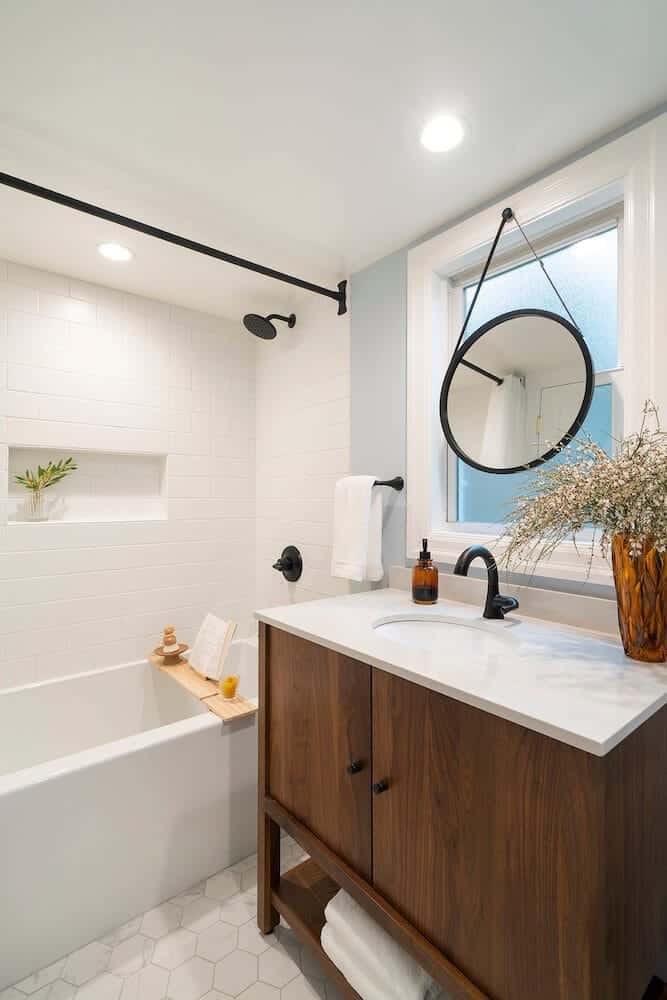
Renovating a bathroom can feel like one of those projects that quickly spirals out of control. What starts as a simple plan to update a few fixtures can turn into a full-blown remodel with a hefty price tag. But here’s the good news: creating a fresh, modern bathroom doesn’t have to drain your savings.
With a bit of planning, smart decision-making, and a focus on what truly matters, you can transform your space while keeping costs in check. Whether you’re a homeowner upgrading your personal space or a landlord improving a rental property, the same principles apply—maximize impact without overspending.
Let’s walk through some practical and realistic ways to make it happen.
Start with a Clear Plan (and Stick to It)
One of the biggest reasons bathroom renovations go over budget is lack of planning. It’s easy to get inspired by photos online and keep adding “just one more thing” to your project list. But those small additions can add up fast.
Before you begin, take time to define your goals. Ask yourself: What do I really want to improve? Is it better storage, updated fixtures, or a more modern look? Prioritizing your needs helps you focus your budget on what matters most.
Think of it like planning a trip. If you know your destination and budget ahead of time, you’re less likely to overspend on unnecessary extras. The same mindset works for home renovations.
It also helps to set a realistic budget with a small buffer—usually around 10–15%—for unexpected expenses. Plumbing issues, hidden water damage, or outdated wiring can pop up, and having a cushion prevents stress later on.
Keep the Layout the Same
If there’s one tip that can save you a significant amount of money, it’s this: avoid moving plumbing fixtures unless absolutely necessary.
Relocating a toilet, sink, or shower may seem like a small change, but it often requires extensive plumbing work behind the walls and under the floor. This quickly increases labor costs and project time.
Instead, work with your existing layout. You can still achieve a completely new look by updating the visible elements—like vanities, tiles, and fixtures—without touching the underlying structure.
This approach is commonly used in industries like hospitality and property management. Hotels, for example, often refresh bathrooms regularly without changing layouts because it keeps costs manageable while maintaining a modern appearance.
Focus on High-Impact, Low-Cost Upgrades
Not every upgrade needs to be expensive to make a difference. In fact, some of the most noticeable improvements are also the most affordable.
Start with simple changes like:
- Replacing old faucets and showerheads
- Updating cabinet handles and drawer pulls
- Installing a new mirror or lighting fixture
- Repainting walls in a clean, neutral color
Lighting, in particular, can completely change how a bathroom feels. A well-lit space looks bigger, cleaner, and more inviting. Swapping out outdated fixtures for modern LED options can instantly elevate the room.
Another great example is regrouting tiles. Over time, grout can become discolored and make the entire bathroom look worn out. Refreshing it is relatively inexpensive but has a huge visual impact.
These small upgrades are similar to what retail stores do when they “refresh” their spaces—minor changes that make everything feel new again without major construction.
Choose Materials Wisely
When it comes to materials, it’s easy to assume that higher cost equals better quality. But that’s not always the case.
There are plenty of budget-friendly alternatives that look just as good as premium options. For example:
- Porcelain tiles can mimic natural stone at a fraction of the cost
- Laminate or engineered countertops can resemble marble or quartz
- Prefabricated vanities are often cheaper than custom-built ones
The key is to balance durability and aesthetics. Bathrooms are high-moisture environments, so materials need to withstand humidity and frequent use.
A good strategy is to invest slightly more in items that see daily wear—like faucets or shower fixtures—while saving on decorative elements.
This is a common approach in industries like interior design and construction, where professionals allocate budgets strategically to get the best overall result.
Mix DIY with Professional Help
Taking on some tasks yourself can significantly reduce labor costs. Painting walls, installing shelves, or even replacing simple fixtures are all manageable DIY projects for many homeowners.
However, it’s important to know your limits. Plumbing and electrical work, for instance, are best left to licensed professionals. Mistakes in these areas can lead to costly repairs—or worse, safety hazards.
Think of it like cooking at home versus dining out. You can prepare many meals yourself, but for complex dishes or special occasions, it makes sense to rely on experts.
By combining DIY efforts with professional services where needed, you get the best of both worlds—cost savings and quality results.
Shop Smart and Look for Deals
Timing and sourcing can make a big difference in your renovation budget. Many home improvement stores offer seasonal sales, clearance items, or discounts on discontinued products.
Don’t be afraid to explore different options:
- Outlet stores for discounted fixtures
- Online marketplaces for gently used items
- Bulk deals on tiles or materials
In industries like construction and retail, sourcing materials at the right time is a key strategy for cost control. The same principle applies to your bathroom renovation.
It might take a little extra effort, but finding the right deal can free up your budget for other improvements.
Think Long-Term, Not Just Short-Term
While it’s important to stay within budget, it’s equally important to think about long-term value. Cheap fixes that don’t last may end up costing more in the future.
For example, investing in water-efficient fixtures can reduce utility bills over time. Choosing durable materials means fewer repairs and replacements down the line.
If you’re planning to sell your home eventually, a well-designed bathroom can also increase property value. Buyers often pay close attention to bathrooms, and even modest upgrades can make a strong impression.
When you decide to renovate your bathroom, think beyond immediate costs and consider how your choices will benefit you in the years ahead.
Keep It Simple and Timeless
Trends come and go, but simplicity never goes out of style. Choosing neutral colors, clean lines, and classic designs helps your bathroom stay relevant for longer.
This doesn’t mean your space has to be boring. You can still add personality through accessories like towels, artwork, or small decorative items—all of which are easy and affordable to change later.
Many industries, from fashion to architecture, follow this principle: invest in timeless foundations and update the details over time.
By keeping your design simple, you avoid the need for frequent renovations, saving money in the long run.
Final Thoughts
Renovating your bathroom doesn’t have to be overwhelming or expensive. With careful planning, smart material choices, and a focus on high-impact updates, you can create a space that feels fresh, functional, and comfortable—without overspending.
Remember, it’s not about doing everything at once or choosing the most expensive options. It’s about making thoughtful decisions that align with your needs and budget.
A well-executed bathroom renovation is a perfect example of how small, strategic changes can lead to big results. And with the right approach, you can enjoy a beautiful space that works for your lifestyle—without the financial stress.