How Do Robot Vacuum and Mop Avoid Obstacles?
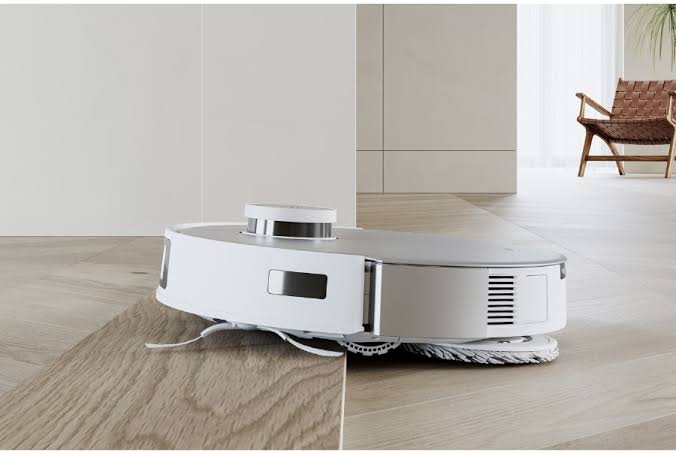
Robot vacuum and mop systems avoid obstacles by combining sensors, mapping, and intelligent navigation software. Instead of moving randomly, they scan the floor, identify furniture, detect floor edges, and adjust direction in real time. More advanced models can even recognize smaller household items such as shoes, cords, and pet bowls before contact happens. This obstacle avoidance helps prevent bumps, missed areas, and cleaning interruptions. By understanding how these systems work, it becomes easier to choose features that support smoother operation, better coverage, and more reliable daily cleaning across different rooms and floor surfaces in a home.

How Robot Vacuum and Mop Systems Detect and Avoid Obstacles
Sensors Identify Furniture, Objects, and Floor Changes
Robot vacuum and mop units rely on several sensors working together to understand their surroundings. Infrared and laser sensors measure distance from walls, chairs, and tables, while cliff sensors detect stairs, ledges, and sudden floor drops to prevent falls. Bumper sensors add a final layer of protection by responding if light contact occurs. Some models also use structured light and visual sensing to identify obstacles more precisely before reaching them. MOVA MOBIUS 60 supports this approach with 360° panoramic views, efficient mapping, targeted spot-cleaning, Advanced AI SmartSight, a Structured Light 3D Scanner, and FlexScope Navigation. Together, these systems help the robot slow down, reroute, and clean safely around furniture, rugs, thresholds, and everyday room transitions.
Smart Navigation Creates Efficient Cleaning Routes
Obstacle avoidance is not only about stopping before a collision. It also depends on navigation software that turns sensor data into a usable cleaning path. After scanning the room, the robot builds a map and plans routes that reduce overlap and unnecessary movement. This allows it to travel around furniture legs, pass through open areas smoothly, and return to missed spots with better accuracy. Real-time updates are equally important because homes are not static environments. When a chair shifts or a door opens, the robot can revise its route immediately. Efficient navigation saves battery life, shortens cleaning time, and helps the vacuum and mop cover rooms methodically rather than wandering in random patterns.

How Obstacle Avoidance Improves Cleaning Performance
Reducing Collisions Helps Protect Furniture and Belongings
Effective obstacle avoidance improves more than convenience; it also helps protect the home. When a robot vacuum and mop slows down before reaching an obstacle, it reduces repeated impacts against chair legs, table corners, baseboards, and decorative items. That matters over time because constant bumping can mark furniture finishes, shift lightweight objects, and wear down the robot itself. Better sensing also lowers the chance of tangling with cords or pushing small belongings across the floor. For households with pets, children, or frequently moved items, this added control is especially useful. A machine that recognizes obstacles early can clean with less disruption, making automated floor care feel smoother, safer, and far less intrusive during regular use.
Better Navigation Helps Cover More Areas Effectively
Strong obstacle detection helps a robot clean more of the home because fewer interruptions mean fewer missed sections. When the machine can move around furniture accurately and avoid getting trapped, it spends more time cleaning and less time recovering from errors. This improves edge coverage, room-to-room movement, and performance in tighter spaces such as around dining chairs or beside beds. Better route planning also reduces repeated passes over the same open area, so battery power is used more efficiently. As a result, the vacuum and mop can finish larger sections in one session and return to its dock with less wasted motion. Consistent navigation leads directly to more thorough, dependable floor care.
Intelligent Controls Allow More Flexible Cleaning Management
Obstacle avoidance becomes even more useful when paired with intelligent cleaning controls. Many robot vacuum and mop systems let users view maps, set restricted zones, schedule room-specific cleaning, and launch spot-cleaning for targeted messes. These controls work better when the robot understands obstacles accurately, because map boundaries and route adjustments stay more reliable over time. If the machine detects objects well, users can trust it to clean around busy areas without constant supervision. Flexible management is especially helpful in homes with mixed flooring, changing furniture layouts, or specific no-mop areas. The result is a cleaning system that adapts to the household, giving users more control while still maintaining the convenience of automation.
Conclusion
Robot vacuum and mop systems avoid obstacles through a combination of sensors, AI-based object detection, and smart navigation. These technologies help the robot identify furniture, detect floor changes, recognize common household items, and adjust its route before problems occur. The result is safer movement, better cleaning coverage, fewer collisions, and more dependable day-to-day performance. Advanced features such as 360° panoramic views, structured light scanning, and intelligent mapping further improve how smoothly the robot operates. When obstacle avoidance works well, automated cleaning becomes more practical, efficient, and reliable, especially in active homes where floors, furniture positions, and everyday objects change regularly.