How Digital Dental Laboratories Help Dentists Deliver More Accurate, Efficient, and Natural-Looking Restorations
When you think about getting a dental crown, bridge, or implant, you probably picture the dentist’s chair, the tools, and maybe the final result—a confident smile. What many people don’t see is the important work happening behind the scenes in a dental laboratory. Today, that work is increasingly powered by digital technology, and it’s changing the way dentists deliver care in a big way.
Digital dental laboratories are helping dentists create restorations that are more precise, faster to produce, and more natural-looking than ever before. Whether it’s a single crown or a full smile makeover, these advancements are making the entire process smoother for both dentists and patients.
Let’s take a closer look at how it all works—and why it matters.
A New Level of Precision Through Digital Technology
In the past, creating a dental restoration often involved physical impressions—those trays filled with putty that patients had to bite into. While effective, they weren’t always perfect. Small movements or air bubbles could affect the final result.
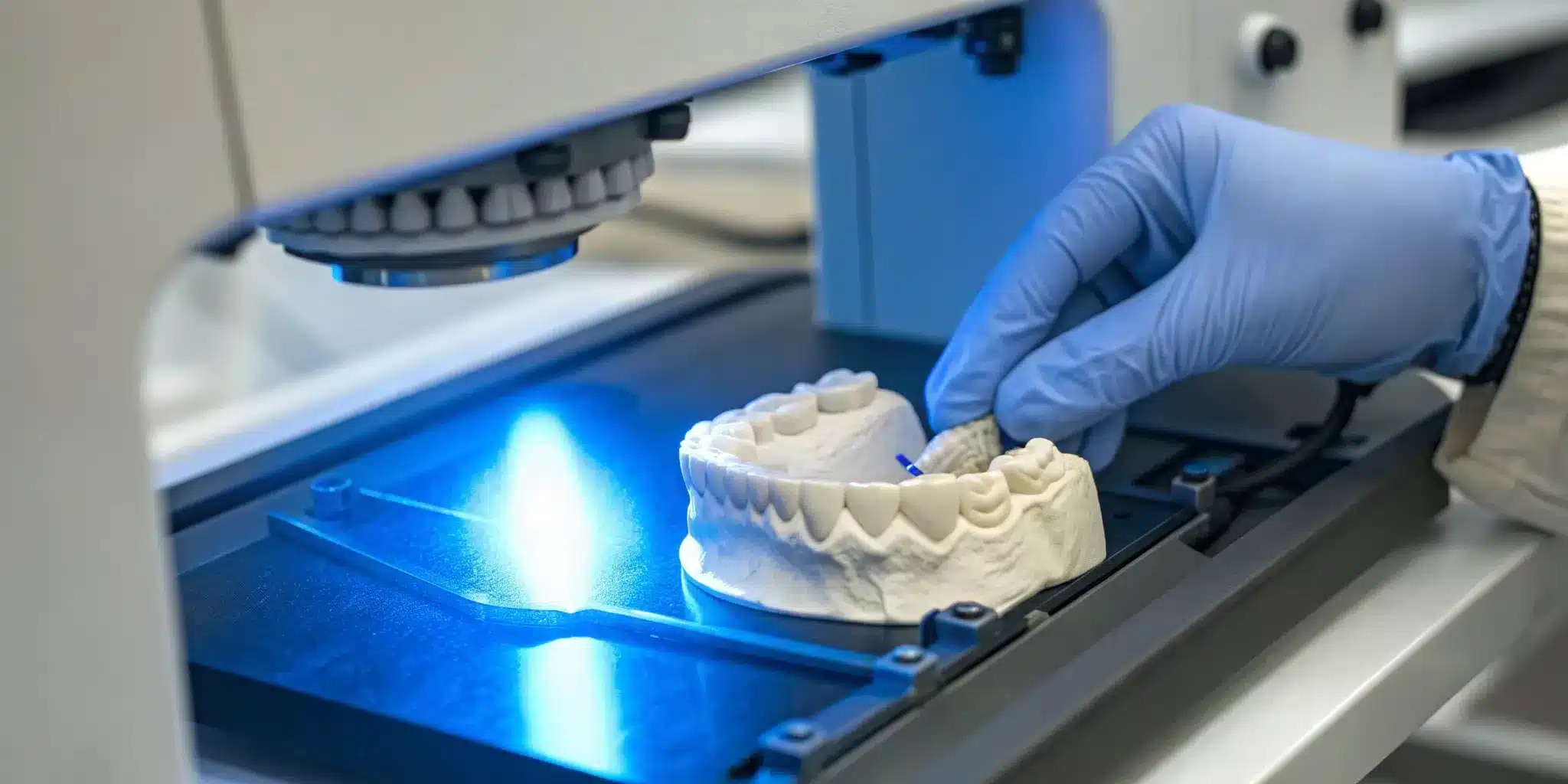
Today, many dentists use digital scanners to capture a 3D image of a patient’s teeth. This scan is incredibly detailed and can be sent instantly to a dental lab. From there, technicians use advanced software to design the restoration with high accuracy.
Think of it like using GPS instead of a paper map. Both can get you to your destination, but one is far more precise and reliable. Digital tools allow technicians to measure down to tiny fractions of a millimeter, ensuring that crowns and bridges fit comfortably and function properly.
This level of accuracy reduces the need for adjustments later on. For patients, that often means fewer appointments and a more comfortable experience overall.
Faster Turnaround Without Cutting Corners
Time matters—especially when someone is waiting for a dental restoration. Traditional processes could take weeks, partly due to shipping physical impressions and manual fabrication.
Digital workflows streamline this entire process. Once a scan is taken, it can be transferred to the lab within minutes. Technicians can begin designing right away, and many labs use CAD/CAM technology (computer-aided design and manufacturing) to produce restorations efficiently.
A helpful way to understand this is by comparing it to online shopping. Ordering something online and having it delivered quickly is far more convenient than traveling to multiple stores to find what you need. Similarly, digital dental labs remove delays and keep things moving smoothly.
Faster turnaround doesn’t mean sacrificing quality. In fact, because the process is more controlled and consistent, the end result is often better. Dentists can deliver restorations sooner, and patients spend less time waiting to get back to their normal routines.
Creating Natural-Looking Results That Blend Seamlessly
One of the biggest concerns patients have is whether their dental restoration will look natural. No one wants a crown or bridge that stands out for the wrong reasons.
Digital dental labs use advanced design tools and high-quality materials to create restorations that closely match the shape, color, and translucency of natural teeth. Technicians can adjust fine details on a screen, ensuring the final product blends seamlessly with the surrounding teeth.
It’s similar to how photographers edit images today. With the right tools, they can enhance details, adjust lighting, and create a final image that looks polished yet natural. Dental technicians use comparable techniques—just applied to smiles instead of photos.
For dentists who want to explore how modern lab processes can support better outcomes, it’s worth taking the time to visit website resources that showcase digital workflows, materials, and case examples. Seeing these advancements in action can make it easier to understand how much of a difference they can make in daily practice.
Better Communication Between Dentists and Technicians
Another major advantage of digital dental laboratories is improved communication. In traditional setups, dentists and technicians often relied on written notes or phone calls to discuss cases. While helpful, this approach could sometimes lead to misunderstandings.
Digital systems allow for more visual and interactive communication. Dentists can share detailed scans, photos, and even videos. Technicians can provide digital previews of the restoration before it’s made, allowing for feedback and adjustments early in the process.
Imagine working on a home renovation project. It’s much easier to collaborate when everyone can see the same design plans and make changes together before construction begins. The same principle applies here—clear communication leads to better results.
This collaboration ensures that the final restoration meets both the dentist’s clinical requirements and the patient’s expectations.
A More Comfortable Experience for Patients
While much of the technology operates behind the scenes, patients still benefit directly. Digital impressions are typically faster and more comfortable than traditional methods. There’s no need for bulky trays or long waiting times while materials set.
In addition, because restorations are more accurate from the start, patients are less likely to need multiple fittings or adjustments. That means fewer visits and less time in the chair.
For people with busy schedules, this can make a big difference. It’s similar to choosing a service that gets things right the first time—it saves time, reduces stress, and leads to a better overall experience.
Supporting Dentists in Delivering Consistent Quality
Dentists rely on their lab partners to help deliver consistent, high-quality results. Digital dental laboratories provide tools and systems that support this goal.
By standardizing processes and reducing manual steps, digital workflows help minimize errors. Each restoration is designed and produced with a high level of consistency, which is especially important for complex cases involving multiple teeth or implants.
It’s much like using automation in other industries. Whether it’s manufacturing, printing, or even food preparation, consistent processes lead to reliable outcomes. In dentistry, that reliability translates into better care for patients.
Looking Ahead: The Future of Dental Restorations
Digital dental technology continues to evolve, with new tools and materials being introduced regularly. From 3D printing to AI-assisted design, the possibilities are expanding quickly.
For dentists, staying connected with modern lab solutions can open the door to more efficient workflows and improved patient satisfaction. For patients, it means better-fitting restorations, shorter wait times, and more natural-looking smiles.
At the end of the day, digital dental laboratories are not just about technology—they’re about enhancing the human experience. By combining precision, efficiency, and artistry, they help dentists deliver results that truly make a difference.
And when that difference shows up as a confident smile, it’s clear that the impact goes far beyond the lab.