
The 5 Essential Oils That Belong in Every DIY Skincare Kit (and How to Tell If Yours Are Any Good)
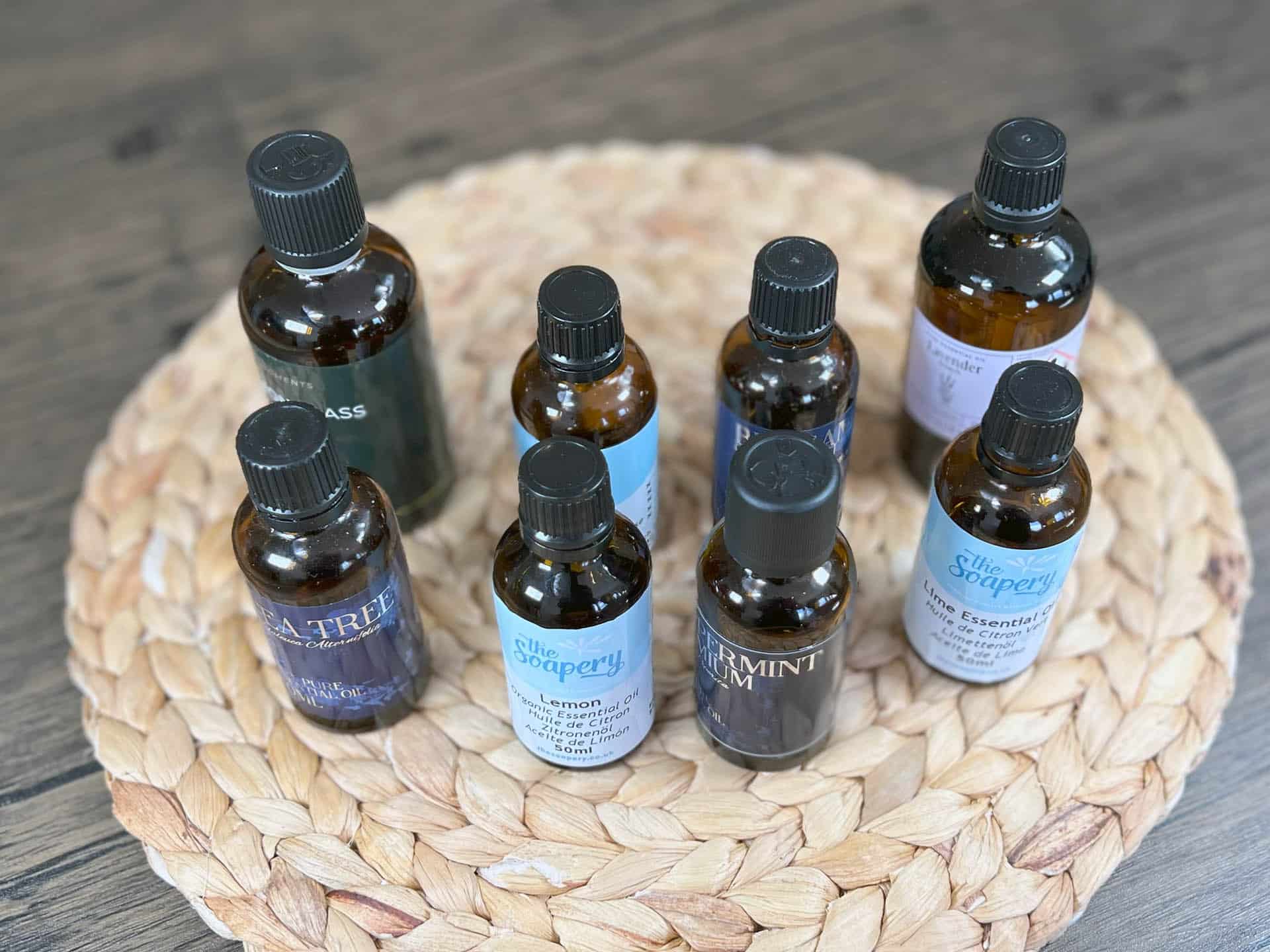
The internet makes DIY skincare look easy. Mix a few drops of this, a tablespoon of that, pour it into a pretty jar, and you’ve got a serum that rivals a $90 department store product. And honestly? With the right ingredients, that’s not far from the truth. Essential oils are the backbone of thousands of homemade skincare, haircare, and wellness recipes. But the gap between a product that works and one that irritates, stains, or does nothing comes down to which oils you use and whether they’re actually what the label says they are.
If you’re building a starter kit for homemade skincare, these are the five oils worth investing in — and the red flags that separate real oils from dressed-up imitations.
1. Lavender Oil — the One That Does Almost Everything
Lavender essential oil shows up in more DIY skincare recipes than any other oil, and for good reason. It’s gentle enough for most skin types, pairs well with almost any carrier oil, and carries both calming and mildly antiseptic properties. You’ll use it in face serums, body oils, bath soaks, sleep sprays, and as a base note in homemade perfume blends.
The catch: lavender is one of the most commonly adulterated essential oils on the market. Cheap bottles often contain lavandin (Lavandula x intermedia) instead of true lavender (Lavandula angustifolia), or they’re diluted with synthetic linalool. Lavandin has a camphor note that true lavender doesn’t. If your lavender oil smells sharp or medicinal rather than soft and floral, it’s probably not the real thing.
2. Tea Tree Oil — the Natural Antimicrobial
Tea tree oil is the go-to for acne spot treatments, scalp cleansers, and anything where you need antifungal or antibacterial action without harsh chemicals. It’s been studied extensively for its effectiveness against acne-causing bacteria, and most dermatologists acknowledge its place in a skincare routine when used correctly.
Correctly means diluted. Tea tree oil for face applications should never exceed a 5% concentration — that’s about 2–3 drops per teaspoon of carrier oil. Undiluted tea tree on sensitive facial skin can cause contact dermatitis, which is the opposite of what you’re going for. For tea tree oil for hair treatments (dandruff, scalp buildup), you can add 5–10 drops to your regular shampoo and massage it in.
3. Frankincense Oil — the Anti-Aging Favourite
Frankincense oil has earned a devoted following in the natural skincare world for its association with skin cell regeneration and its warm, resinous scent. It’s a staple in anti-aging serums, night oils, and under-eye treatments. The active compounds — boswellic acids — have shown anti-inflammatory properties in clinical research.
Quality frankincense comes primarily from Boswellia sacra (Oman, Somalia) and Boswellia carterii (East Africa). The resin is steam-distilled, and the resulting oil should smell warm, slightly citrusy, and slightly woody — not like a church incense burner. If your frankincense smells smoky or acrid, it’s either poor quality or adulterated with a synthetic fragrance compound.
4. Rosemary Oil — the Hair Growth Oil That Actually Has Research Behind It
Rosemary oil went viral for hair growth after a 2015 study compared it head-to-head with 2% minoxidil over six months. The results showed comparable hair count increases, and the internet exploded. Since then, rosemary has become one of the most searched essential oils online, particularly for hair applications.
The oil you want is from Rosmarinus officinalis, chemotype cineole or camphor. For a scalp massage oil, 3–5 drops of rosemary oil per tablespoon of jojoba oil is a standard dilution. Massage into the scalp, leave for 30 minutes before washing, and repeat two to three times a week. Results, if they come, typically take three to six months of consistent use — this is a slow game.
The popularity of organic rosemary oil has predictably attracted a flood of low-grade products. Look for oil that’s deep green and herbaceous, not pale and watery. A COA should show high 1,8-cineole content, which is the compound primarily associated with its therapeutic properties.
5. Peppermint Oil — the Cooling, Clarifying Workhorse
Peppermint oil rounds out the kit because it’s useful in ways the other four aren’t. The menthol content creates a cooling sensation on the skin that works beautifully in foot scrubs, post-workout muscle balms, and scalp treatments. Mixed with tea tree oil and a light carrier, it makes a potent clarifying scalp rinse.
For DIY lip balms and lip scrubs, peppermint oil adds that tingly freshness without synthetic flavouring. In homemade soaps and shower steamers, a few drops create an invigorating spa-like experience. It also blends well with vanilla essence in candle and room spray recipes for a warm-cool combination that people seem to love.
For cold and sinus relief, peppermint oil in a bowl of hot water (3–4 drops, tent a towel over your head, breathe for five minutes) remains one of the simplest and most effective home remedies. It’s the menthol at work — the same compound found in menthol crystals used in commercial vapour rubs and inhalants.
How to Spot Fakes Before You Waste Your Money
The essential oil market is flooded with products that are diluted, synthetic, or outright mislabelled. Here are four things to check every time you buy essential oils:
Botanical name on the label. Every legitimate essential oil should list the Latin botanical name. If the bottle just says “lavender oil” without specifying Lavandula angustifolia, you don’t know what’s inside.
Country of origin. Reputable suppliers are transparent about where the plant was grown. If there’s no origin listed, the oil is likely a blend from multiple sources of varying quality.
Certificate of analysis. A COA from a third-party lab confirms the oil’s chemical composition. It tells you the menthol content in peppermint, the linalool content in lavender, and whether there are any contaminants. If the supplier won’t share a COA, walk away.
Price that makes sense. Rose oil costs more than lavender oil. Frankincense oil costs more than peppermint oil. If every oil on a website is the same price, that’s a red flag. Extraction yields vary dramatically between plants, and the pricing should reflect that. A 10ml bottle of real rose otto should cost $30–80. If it’s $7, it’s a fragrance oil, not an essential oil.
Start With Five. Build From There.
You don’t need thirty oils to start making effective skincare and wellness products. You need five good ones. Lavender for calm and versatility. Tea tree for clean skin and scalp. Frankincense for repair and luxury. Rosemary for hair and circulation. Peppermint for cooling and energy. Together, they cover the vast majority of DIY recipes you’ll find online.
Spend a little more on quality. Check the COA. Trust your nose. And remember that the best skincare products aren’t the most complicated ones — they’re the ones made with ingredients that are actually what they claim to be.