FAQs About Commercial Glass Replacement
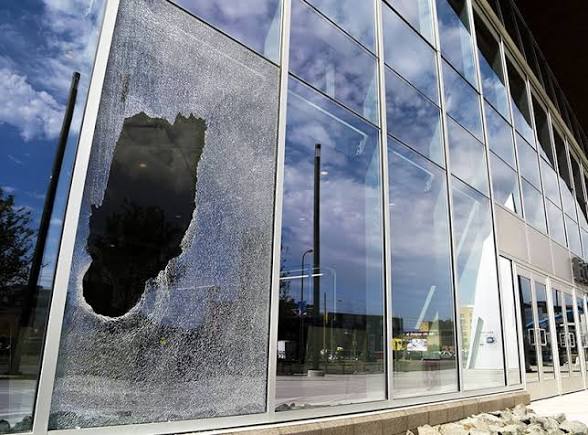
Most commercial buildings rely on durable glazing systems to maintain visibility, safety, and structural performance. Over time, individual glass panels can fail while the surrounding frame remains structurally stable. In these situations, glass replacement restores the damaged panels without interfering with the entire window system. Here is a guide on common questions about commercial glass replacement:
What Triggers Glass Replacement?
Window glass needs to be replaced when it no longer performs its intended function. Large cracks, scratches, and chips reduce both visibility and safety. Fogging or condensation between panes also indicates the need for replacement. Insulated glass units depend on sealed spaces to maintain thermal efficiency, and when these seals fail, moisture can enter. This seepage results in a cloudy appearance and affects the unit’s insulation performance.
What Happens During Replacement?
An inspection of the damaged storefront panel or window is often the start of a commercial glass replacement. Experts assess the glass to make sure that the existing frame can support reglazing. A stable, glazable frame allows the removal and replacement of the affected panel without affecting the rest of the window system. If the frame cannot be salvaged or the window is not glazable, you need to contact the original manufacturer for a full window replacement.
After the inspection, glass experts then record the unit’s dimensions, tint type, and whether it’s a single- or dual-pane window. The replacement glass must match the original specifications to fit the frame correctly. With all the details at hand, the glass company then fabricates or sources the new pane.
Professionals clean the opening and inspect for lingering debris, rot, or any other damage before installing the new unit. Preparing the working area for the replacement glass supports a smooth, secure installation. The installation method varies depending on the type of glass installed, the size of the pane(s), and the frame being used. The chosen method allows the glass to fit securely and function properly within the frame. Some common methods include the use of putty or glaze, clips and bolts, molding, and sealants.
Why Choose Professional Replacement?
Professional commercial glass replacement supports improved performance and longevity of the replaced unit. Glass panes must fit precisely within the existing frame, because even small measurement errors can prevent proper alignment. When a pane is incorrectly sized or positioned, it is able to shift within the frame, develop stress fractures, or fail to seal against environmental exposure. When glass units aren’t properly installed, they can also loosen over time, creating drafts or allowing water infiltration that damages surrounding materials. To secure the pane and maintain stability, technicians rely on glazing compounds, sealants, and alignment systems designed for commercial frames.
Why Is Replacement Significant?
If you do not attend to damaged glass, you can compromise a building’s thermal performance: it lets indoor air leak out while drawing outdoor air in. This imbalance disrupts temperature regulation inside the building by altering energy efficiency. Replacing the glass helps restore proper insulation and reduces strain on HVAC systems.
When panes are broken or weakened, they create hazards for employees, customers, and passersby. Changing damaged glass supports structural safety. In addition, replacing damaged windows also boosts the appearance of a commercial building.
In some jurisdictions, building codes require commercial window glass to meet set safety and performance standards. Damaged panels can make it harder for a building to meet these standards, potentially creating compliance liability. Prompt replacement keeps you on the right side of the authorities.
When Should Glass Be Replaced?
You can schedule professional glass replacement when you notice signs such as loose glazing components, foggy panes, or cracks that extend across the pane. While some of these issues might appear minor, continued exposure to temperature variations and everyday use worsens them. It’s also advisable to look for signs of reduced visibility, compromised structural integrity, and poor insulation performance. If you conduct regular inspections, you’re likely to identify problems early before they turn into bigger structural issues.
Get Professional Commercial Glass Replacement
Glazing systems in commercial buildings are subject to impact, wear, and environmental stress that affects their operational efficiency. By conducting regular assessments with a glass expert, you can identify issues early, before they affect the building’s performance and code compliance. Commercial glass replacement is necessary for maintaining safety, aesthetics, and energy efficiency. Reach out to a reputable glazing company and schedule an appointment to discuss any concerns about window glass in your building.