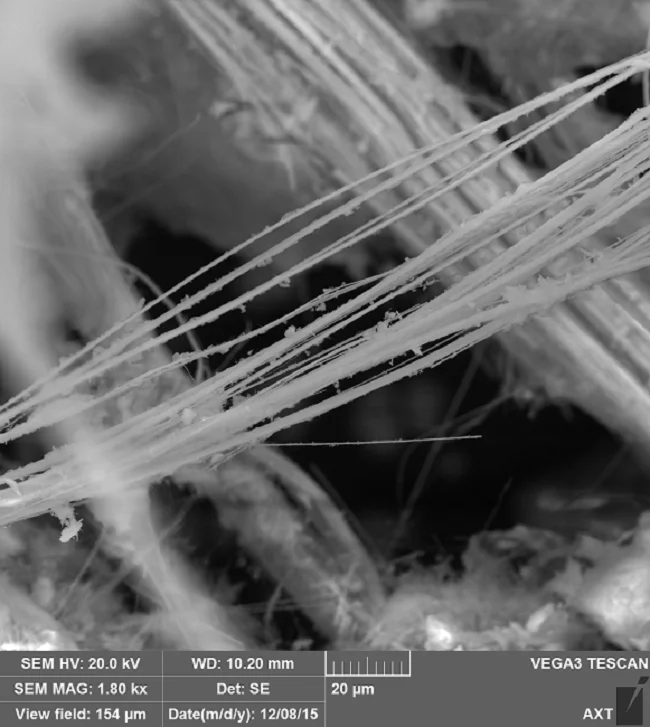
Areas Where Asbestlint Conditions May Be More Likely
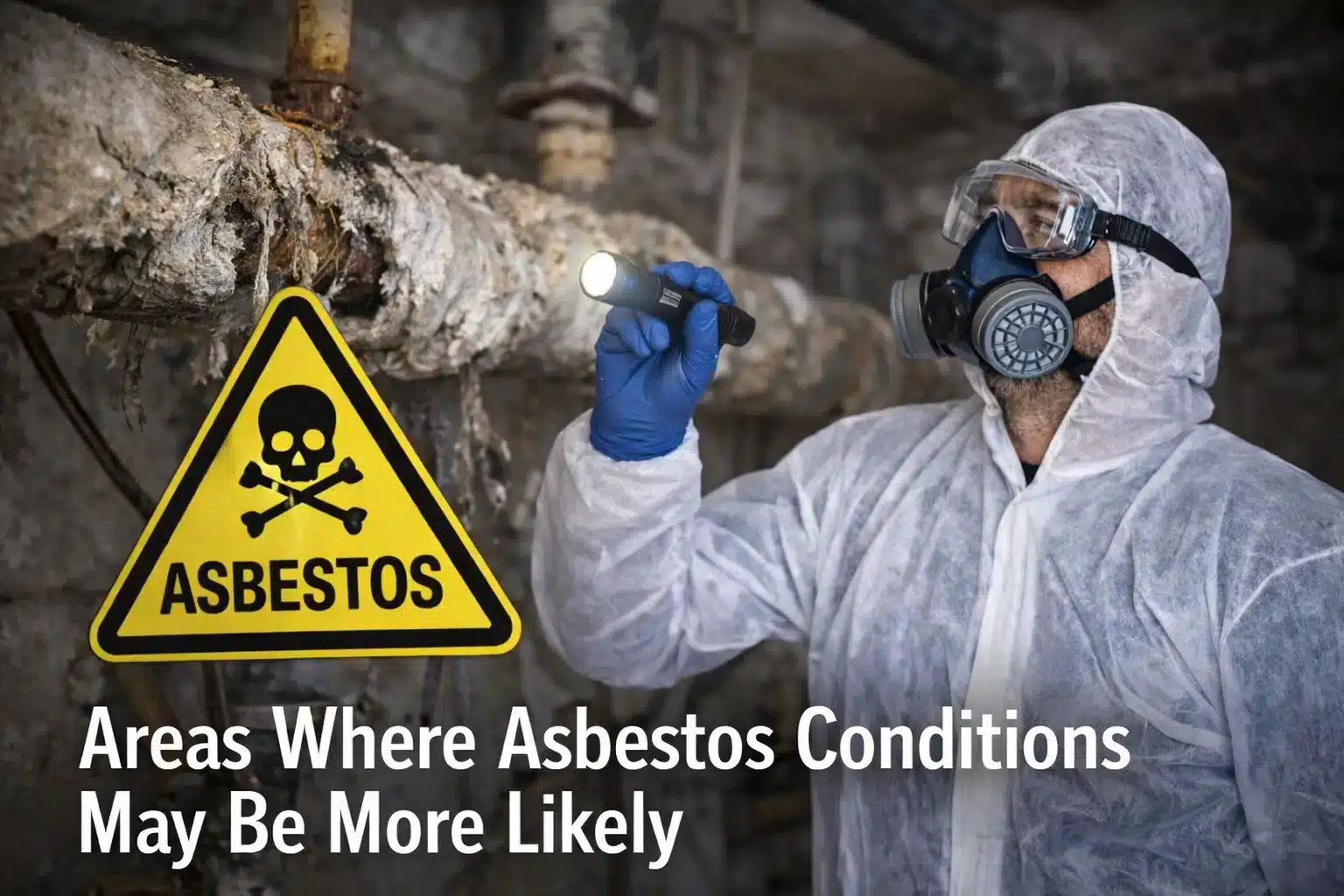
Dust and lint accumulate in homes, offices, workshops, and older buildings. Areas where Asbestlint conditions may be more likely include locations where damaged or disturbed asbestos-containing materials may release hazardous fibers.
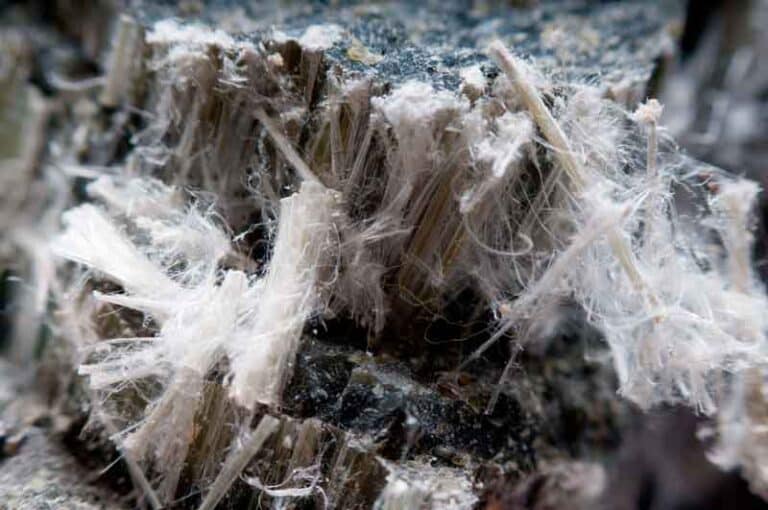
Asbestlint is used here as a descriptive term for lint, dust, fibers, and potential asbestos-related concerns, not a standardized scientific term. Understanding building age, material condition, and maintenance history helps property owners identify potential risks and take appropriate safety precautions.
What Makes Asbestlint Conditions More Likely?
Not every dusty room presents an asbestos concern. The important distinction is between ordinary household lint and dust that may contain fibers released from asbestos-containing materials.
Asbestos was used in numerous building products because it resists heat, strengthens materials, and provides insulation. Depending on the country and construction period, it may be present in older insulation, ceiling finishes, floor tiles, cement products, roofing, and pipe coverings.
Three factors can increase concern:
- Older building materials: Some buildings constructed or renovated before asbestos restrictions took effect may contain asbestos-containing products.
- Damage or deterioration: Crumbling, cracked, water-damaged, or deteriorating materials may require professional assessment.
- Disturbance: Drilling, sanding, cutting, demolition, renovation, or improper removal can release hazardous fibers if asbestos-containing materials are involved.
Age alone does not confirm the presence of asbestos. Likewise, a clean appearance does not prove that a building is asbestos-free.
1. Older Homes and Residential Buildings
Older residential properties deserve careful consideration because asbestos-containing materials were used in some homes for insulation, fire resistance, and durability.
Ceilings and ceiling cavities
Some older ceiling systems contain asbestos in textured finishes, decorative coatings, or ceiling tiles. Popcorn ceilings and certain acoustic ceiling products may warrant investigation when their composition is unknown.
Concern increases when someone scrapes the surface, installs recessed lighting, drills into the ceiling, or removes damaged sections without checking the material first.
What to do: Avoid scraping or sampling the material yourself. If renovation is planned, arrange an assessment by a qualified asbestos professional.
Walls, partitions, and joint compounds
Some older wall systems, plaster products, and joint compounds used during drywall installation contained asbestos. Repairs that involve sanding, cutting, or removing these materials may release dust.
Not every drywall panel or joint compound contains asbestos. Product composition varies by manufacturer, location, and installation period.
Floors and underlayments
Certain older vinyl floor tiles, sheet flooring, and associated backing or adhesive products contained asbestos. Flooring may look ordinary even when some underlying layers contain asbestos.
Avoid dry-sanding old flooring, breaking tiles, or mechanically scraping unknown adhesive. A professional can determine whether testing or controlled removal is necessary.
2. Basements, Cellars, and Utility Rooms
Basements and utility rooms can contain multiple building systems that deserve attention, particularly in older properties.
Pipes, boilers, and heating equipment
Older heating systems may have asbestos-containing pipe insulation, boiler insulation, gaskets, or other heat-resistant components. Damaged coverings can become a concern if fibers are released into the surrounding area.
Pay attention to deteriorating insulation, loose debris around pipe joints, and damaged coverings near heating equipment. These signs do not prove that asbestos is present, but they justify caution.
Foundations and unfinished surfaces
Some basements contain older cement boards, insulation products, or textured coatings. Moisture, physical damage, and repeated maintenance can affect their condition.
Do not assume that every basement with visible dust has an asbestos problem. Soil, concrete particles, stored materials, and ordinary household debris are also common sources of basement dust.
Recommended precautions
- Restrict unnecessary access to visibly damaged suspect materials.
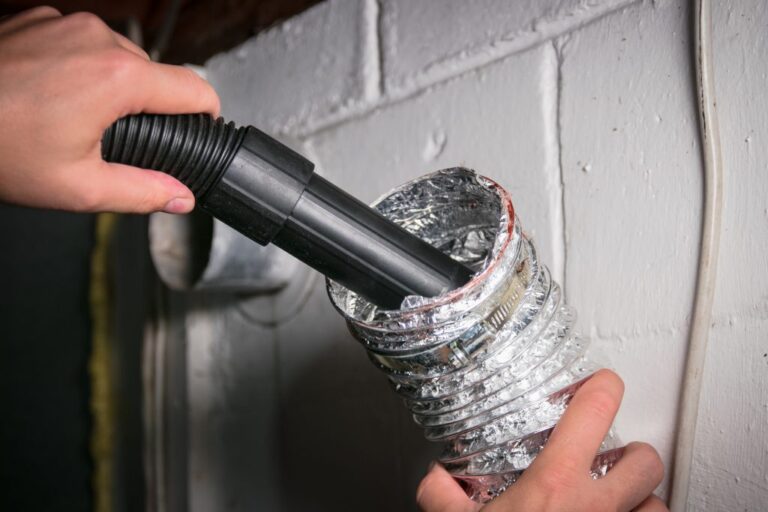
- Do not sweep or vacuum suspect debris with an ordinary household vacuum.
- Avoid disturbing insulation around pipes, boilers, and ducts.
- Seek a qualified assessment before repairs or removal.
3. Attics and Roof Spaces
Attics often contain insulation and construction materials that receive little attention until a renovation, roof repair, or ventilation upgrade takes place.
Older insulation products
Some older thermal insulation products contained asbestos, although many other insulation materials do not. Loose-looking material, unusual textures, or gray, white, or fibrous appearances cannot reliably identify asbestos.
Do not handle insulation to determine what it contains. A qualified professional can assess the material and recommend laboratory testing where appropriate.
Roofing and exterior components
Certain older roofing products, cement sheets, and shingles were manufactured with asbestos. Weathering, breakage, drilling, and removal can create a concern if the product contains asbestos.
Routine aging does not automatically mean that intact asbestos-containing roofing is releasing hazardous fibers. Its condition and the work planned around it matter.
Ventilation and air movement
Air movement can distribute dust from one part of a building to another. However, the presence of a ventilation system does not establish that asbestos fibers are circulating.
If suspect materials have been disturbed, avoid operating equipment that could spread contamination until a qualified professional advises on appropriate precautions.
4. Older Commercial Buildings and Offices
Commercial properties may contain asbestos-containing materials in ceiling systems, service areas, wall assemblies, fireproofing, and mechanical equipment.
Suspended ceilings and service voids
Ceiling voids may contain old insulation, fire-resistant materials, or debris left behind during previous repairs. Maintenance workers can disturb these materials when installing cables, lights, security equipment, or ventilation components.
Before opening ceiling cavities in an older building, facility managers should review available asbestos surveys or building records.
Mechanical and electrical service areas
Boiler rooms, plant rooms, service corridors, and electrical installations may include older insulation, protective boards, or heat-resistant components.
Maintenance teams should receive clear information about identified asbestos-containing materials and the procedures required to avoid disturbing them.
Building management practices
Property managers can reduce uncertainty by maintaining an asbestos register where required, documenting material locations, informing contractors, and arranging reassessments when building conditions change.
A written maintenance procedure is especially valuable when multiple contractors work in the same building.
5. Industrial Facilities, Workshops, and Factories
Industrial buildings may contain asbestos in older heat-resistant, insulating, and fire-protection products. The potential concern depends on the facility’s history and the materials used in its equipment.
Boilers, furnaces, and high-temperature equipment
Older industrial systems may contain asbestos-containing insulation, refractory components, gaskets, or seals. Heat exposure, vibration, repeated repairs, and mechanical wear can affect some materials.
Maintenance work should not begin on suspect components until their composition and condition have been assessed.
Workshops and maintenance bays
Cutting, grinding, drilling, and dismantling building materials can produce substantial dust. If the work involves asbestos-containing products, these activities may release fibers into the work area.
Workers should never rely on a dust mask or ordinary workshop vacuum as a substitute for asbestos identification and proper controls.
Demolition and equipment replacement
Removing old furnaces, ducts, machinery, or service lines may expose concealed materials that were not visible during routine operation.
Industrial operators should plan asbestos surveys before major demolition or refurbishment and follow applicable occupational safety requirements.
6. Laundry Rooms and Areas With Heavy Lint Accumulation
Laundry rooms are important when discussing lint, but ordinary dryer lint should not be confused with asbestos fibers.
Dryer vents and lint traps
Clothing fibers collect in lint screens, exhaust ducts, and around dryer housings. This accumulation creates a fire risk and can reduce airflow when maintenance is neglected.
Regularly clean the lint screen and follow the manufacturer’s instructions for cleaning the exhaust system. Have long or inaccessible ducts inspected when needed.
When asbestos becomes a separate concern
An asbestos-related concern may arise if a laundry room is located in an older building with suspect pipe insulation, ceiling materials, wall finishes, or other asbestos-containing products.
Ordinary lint does not become asbestos simply because it accumulates near old building materials. Evidence of contamination requires an appropriate professional assessment.
7. Renovation, Remodeling, and Demolition Sites
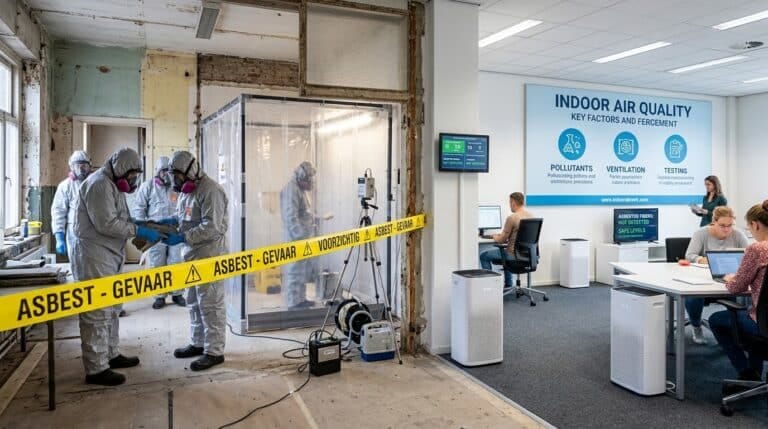
Renovation sites deserve particular attention because activities that disturb building materials can release asbestos fibers when those materials contain asbestos.
Common activities that may create a hazard
- Sanding textured ceilings or old wall compounds.
- Removing older vinyl flooring or backing.
- Cutting asbestos-containing cement sheets.
- Drilling into suspect boards or insulation.
- Demolishing walls, ceilings, roofs, or mechanical enclosures.
The risk depends on the materials involved and the work being performed. Visible dust alone cannot establish whether asbestos fibers are present.
Before work begins
For older buildings, arrange an asbestos survey before intrusive renovation or demolition. Where testing is necessary, use a qualified professional and an appropriately accredited laboratory.
Do not take samples yourself unless you have the required training and authorization. Improper sampling can release fibers and expose other occupants.
8. Schools, Hospitals, and Public Buildings
Schools, healthcare facilities, libraries, and other public buildings can contain older construction materials, especially when they have undergone multiple renovations over the years.
Classrooms and shared spaces
Potential locations include older ceiling tiles, textured finishes, service ducts, and concealed insulation. The presence of such materials does not necessarily indicate an immediate hazard if they remain in good condition and are properly managed.
Hospitals and institutional facilities
Hospitals and similar buildings often contain complex heating, ventilation, plumbing, and fire-protection systems. Older service areas may require special attention during equipment upgrades and maintenance.
Protecting occupants
Facility managers should maintain accurate records, train maintenance personnel, communicate with contractors, and follow local asbestos-management requirements.
Where asbestos-containing material remains in good condition, appropriate management may be safer than unnecessary disturbance or removal.
9. Damaged Buildings and Areas Affected by Water or Fire
Building damage can change the condition of materials that previously remained undisturbed.
Water damage and deterioration
Leaks, flooding, and prolonged moisture exposure can damage some building components and cause surrounding materials to deteriorate. Water damage does not itself prove that asbestos fibers have been released, but damaged suspect materials should be assessed before repairs.
Fire and structural damage
A fire, collapse, or severe structural incident may damage asbestos-containing insulation, roofing, wall panels, or other building components. Emergency repairs can also disturb concealed materials.
Keep people away from affected areas when suspect materials or debris may have been disturbed. Contact appropriate emergency, environmental, or asbestos professionals for guidance.
10. HVAC Systems, Ducts, and Air-Handling Areas
Heating, ventilation, and air-conditioning systems connect different parts of a building, making their maintenance important when asbestos-containing materials may be present.
Duct insulation and mechanical components
Some older duct systems and associated equipment may contain asbestos insulation, joint materials, or other asbestos-containing components. The materials vary by building and installation period.
Dust around an air vent is not proof of asbestos contamination. It may come from ordinary indoor dust, textile fibers, outdoor particles, or maintenance activity.
Filters and indoor air quality
Routine HVAC filter replacement helps manage ordinary airborne particles, but a standard filter change does not establish whether asbestos contamination exists or resolve a suspected release.
If suspect asbestos materials have been disturbed near air-handling equipment, obtain professional advice before cleaning ducts or restarting affected systems.
How to Recognize a Potential Asbestlint Concern
No visual checklist can confirm that dust or fibers contain asbestos. Instead, use the following observations to decide whether a professional assessment is appropriate.
| Observation | Why it matters |
| Older insulation with unknown composition | Some historical insulation products contained asbestos. |
| Crumbling or damaged suspect materials | Damage may increase the chance of fiber release. |
| Planned cutting, drilling, or demolition | Disturbance can release fibers from asbestos-containing products. |
| Dust near damaged old building components | The source may need professional investigation. |
| Missing building material records | A survey may help establish what materials are present. |
Color, texture, smell, and the amount of visible dust cannot reliably identify asbestos. Individual asbestos fibers are too small to identify by sight.
What Reliable Sources Say About Asbestos Risk
The World Health Organization identifies asbestos as a major occupational and environmental health concern because all forms of asbestos are carcinogenic. Exposure is associated with diseases including mesothelioma and cancers of the lung, larynx, and ovary.
The U.S. Environmental Protection Agency explains that asbestos-containing materials generally present greater concern when damaged or disturbed because fibers can become airborne. The agency also advises people not to handle suspected materials themselves.
The U.S. Occupational Safety and Health Administration provides workplace requirements for asbestos exposure assessment, protective measures, and work practices in covered settings.
Useful primary sources include:
- World Health Organization: https://www.who.int/news-room/fact-sheets/detail/asbestos
- U.S. Environmental Protection Agency: https://www.epa.gov/asbestos
- U.S. Occupational Safety and Health Administration: https://www.osha.gov/asbestos
These sources support an important distinction: the presence of asbestos-containing material does not automatically mean that hazardous exposure is occurring. Material condition, disturbance, and the potential for fibers to become airborne all matter.
How to Respond if You Suspect Asbestos
If you find damaged material that may contain asbestos, take a cautious approach.
- Stop disturbing the material. Do not drill, sand, scrape, break, or remove it.
- Keep others away. Prevent unnecessary access to the affected area.
- Avoid dry cleaning. Do not sweep, brush, or use an ordinary household vacuum on suspect debris.
- Seek qualified advice. Contact an asbestos surveyor, environmental professional, or appropriately licensed contractor where licensing applies.
- Arrange testing when necessary. Qualified professionals can determine whether sampling and laboratory analysis are appropriate.
- Follow local requirements. Removal, transport, disposal, and workplace controls depend on the jurisdiction and type of work.
Do not assume that wetting the material, wearing a basic dust mask, or opening windows makes an asbestos-related task safe. Appropriate controls depend on the specific circumstances.
Conclusion
The areas where Asbestlint conditions may be more likely include older homes, basements, attics, industrial facilities, commercial buildings, laundry areas, HVAC systems, and sites undergoing renovation. These locations deserve attention because they may contain older asbestos-containing materials or experience activities that disturb them, not because dust or lint automatically indicates asbestos.
The most effective approach combines building-history checks, careful maintenance, professional assessment, and avoidance of unnecessary disturbance. Ordinary lint can usually be managed through routine housekeeping, while suspected asbestos requires a different and more cautious response.
Have you noticed unusual dust or damaged insulation in an older building? Identifying the material’s source before cleaning or renovating can help you choose the safest next step.
Frequently Asked Questions
1. Where are Asbestlint conditions more likely?
They may warrant closer attention in older buildings, industrial facilities, basements, attics, and renovation areas where asbestos-containing materials could be present.
2. Does ordinary lint contain asbestos?
Usually, household lint comes from fabrics. Its appearance alone cannot confirm or exclude asbestos contamination.
3. Can asbestos fibers be seen in dust?
No. Individual asbestos fibers cannot be reliably identified with the naked eye.
4. Do all older homes contain asbestos?
No. The presence of asbestos depends on the materials used and the building’s history.
5. Is damaged asbestos more concerning than intact material?
Yes. Damaged or disturbed asbestos-containing material may release fibers into the air.
6. What should I do if I suspect asbestos?
Avoid disturbing the material, restrict access, and contact a qualified asbestos professional.
7. Can an ordinary vacuum remove asbestos fibers safely?
No. Do not use an ordinary household vacuum on suspected asbestos debris.