IPL Hair Removal Device: Complete User Guide
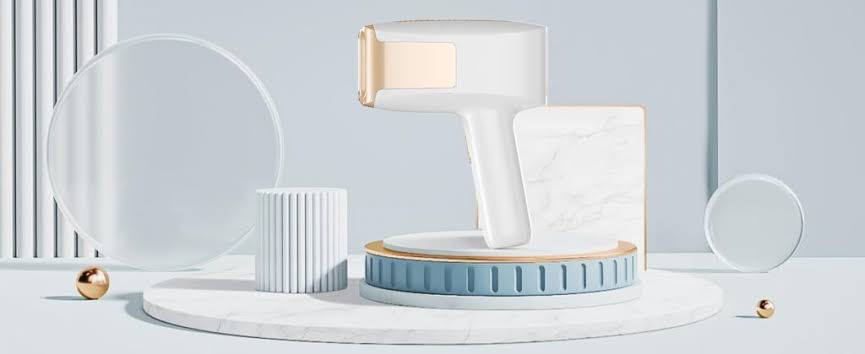
An IPL hair removal device uses broad-spectrum light to reduce unwanted hair at home by targeting the pigment inside actively growing follicles. With correct use, it can slow regrowth, extend smooth periods between sessions, and make routine hair removal easier to manage. The key to good results is not only understanding the technology, but also following the right preparation, treatment schedule, and device settings for your skin and hair type. Safe use starts with reading the manufacturer’s instructions, checking compatibility, and treating clean, shaved skin. This guide explains how IPL works, how to use an IPL hair removal device correctly, and what features matter when choosing one for long-term convenience, comfort, and more consistent hair reduction across common treatment areas.

Understanding How an IPL Hair Removal Device Works
The Technology Behind IPL Hair Reduction
IPL stands for intense pulsed light. Unlike a laser, which uses a single wavelength, IPL releases multiple wavelengths of light in controlled pulses. Those pulses spread through the skin and are absorbed by melanin, the pigment in the hair. The absorbed light converts to heat, which affects the follicle and reduces its ability to produce new hair efficiently. Because hair grows in cycles, only follicles in the active growth phase respond well during each session. That is why repeated treatments are necessary rather than a single one-time use. At-home IPL devices are designed with lower energy levels than professional systems, making them more suitable for gradual, repeated use with built-in safety controls and user-adjustable intensity settings.
How Light Energy Targets Hair Follicles
The light energy from an IPL hair removal device works best when there is a strong contrast between skin tone and hair color. Dark hair contains more melanin, so it absorbs more light and transfers more heat down toward the follicle. That heat disrupts the follicle’s normal growth activity, which leads to slower regrowth and finer hair over time. Lighter blonde, red, gray, or white hair usually responds poorly because it contains less pigment to attract the light. The skin also contains melanin, so choosing a compatible device and correct intensity level matters for safety. Many devices include skin tone sensors to help guide treatment and reduce the chance of using unsuitable settings on different body areas.
How to Use an IPL Hair Removal Device Correctly
Preparing Your Skin Before an IPL Treatment
Proper preparation improves both safety and effectiveness. Start by shaving the treatment area 12 to 24 hours before using the device so light can focus below the skin rather than on visible surface hair. Clean the skin thoroughly and remove lotion, deodorant, oils, self-tanner, and makeup. The area should be dry and free from irritation, cuts, or active skin conditions. Avoid waxing, plucking, or threading before treatment because IPL needs the follicle root in place to work. It is also important to limit sun exposure and skip treatment on recently tanned skin. Before your first full session, perform a patch test on a small area and wait the recommended time to check for any unexpected skin reaction.
Following the Right Treatment Steps and Schedule
Use the device on clean, shaved skin and select the intensity level recommended for your skin tone and comfort. Place the treatment window flat against the skin so the safety contact system engages properly, then trigger one flash at a time or use glide mode on larger areas if the device offers it. Move methodically to avoid overlapping flashes too heavily or missing sections. Most IPL routines begin with regular sessions, often once a week for several weeks, to catch hairs during active growth cycles. After the initial phase, maintenance sessions help keep regrowth limited. Consistency matters more than overusing the device. Treating more often than instructed does not speed results and may increase skin sensitivity without improving hair reduction.
Choosing the Right IPL Device for Your Hair Removal Goals
Checking Skin Tone and Hair Color Compatibility
Compatibility should be your first filter when choosing an IPL hair removal device. IPL is most effective on darker hair shades because they contain the pigment needed to absorb light energy efficiently. It is generally less effective on very light blonde, red, gray, or white hair. Skin tone also matters because darker skin contains more melanin, which can compete with the hair for light absorption. A device should clearly state its supported skin tone range and include guidance for safe use on different areas. Built-in skin sensors are especially helpful because they can assess whether the selected area is suitable for treatment. Checking these limits before buying prevents frustration and supports safer, more reliable use over a complete treatment plan.
Evaluating Features That Improve Treatment Experience
The best device for home use is not just effective; it should also be practical and easy to use consistently. Look for adjustable energy levels so you can balance comfort and treatment strength across sensitive and less sensitive areas. A skin contact sensor adds protection by preventing accidental flashes when the device is not positioned correctly. Flash speed matters too, since faster repetition can shorten sessions on legs, arms, or larger body zones. Window size influences coverage, while an ergonomic shape helps with precision around underarms or the bikini line. Corded models often provide uninterrupted power for longer treatments, while some users prefer cordless flexibility. Clear instructions, maintenance guidance, and a reasonable treatment lifespan also make long-term use simpler and more dependable.

Conclusion
An IPL hair removal device can be an effective at-home option for reducing hair growth when it is used correctly and on compatible skin and hair types. The process works by directing pulses of light toward melanin in the hair, heating the follicle and disrupting future growth over multiple sessions. Good results depend on simple but important habits: shave before treatment, keep skin clean and dry, use the correct intensity, and follow the recommended schedule consistently. Choosing a device with suitable compatibility and user-friendly features also makes regular treatment easier to maintain. When you understand how IPL works and apply it carefully, you can make home hair removal more efficient, more comfortable, and easier to manage as part of a long-term personal care routine.