
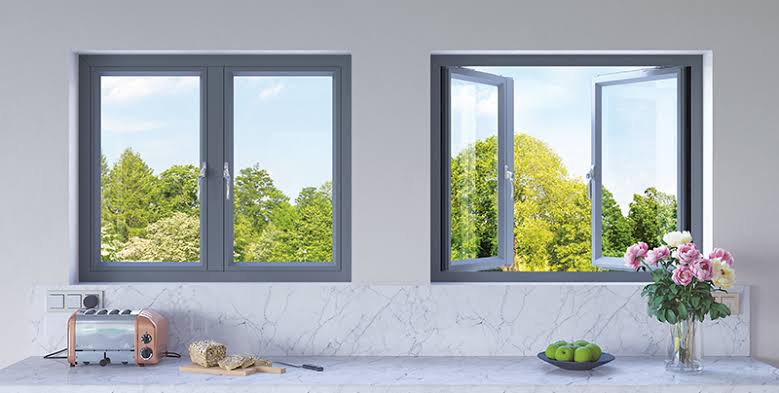

Choosing energy-efficient aluminum windows for a home renovation helps address energy use and indoor temperature control. Aluminum frames also resist warping and retain their shape through changing weather conditions. When selecting windows for your renovation, evaluate factors such as glass type, frame construction, and energy ratings. Here are a few tips to help you choose energy-efficient aluminum windows for your home:
Evaluate Thermal Performance
An aluminum-framed window with high thermal performance typically incorporates a thermal break to reduce heat transfer through the frame. This separation reduces conductive heat flow between the interior and exterior portions of the aluminum frame. When the frame and glass edge stay closer to indoor temperatures, the window assembly has less temperature variation at these areas. That warmer interior surface also reduces conditions associated with wintertime condensation.
Start by checking the window’s U-factor when comparing aluminum windows. U-factor measures heat flow through the window assembly, and lower values indicate greater resistance to heat transfer. Check whether the aluminum frame incorporates a thermal break, which separates the interior and exterior portions of the frame. Also review the window’s air leakage, condensation resistance, seals, and spacer materials because these components affect the overall window assembly.
A thermally broken frame addresses heat transfer through the aluminum, while the glazing system addresses heat flow through the glass. Look for insulated glazing that uses multiple panes with a sealed space between them. The spacer and seal materials also contribute to the performance of the insulated glass unit. Reviewing these components alongside the frame helps you compare the thermal construction of different aluminum window systems.
Choose Low-E Coatings
Low-E coatings reduce radiant heat transfer through the glass, which affects heat flow through the window during different seasons. These coatings are designed to transmit visible light while reflecting or absorbing portions of infrared radiation. The specific performance of a low-E coating depends on its properties, placement, and the overall glazing configuration. Low-E coatings also reduce transmission of certain ultraviolet wavelengths, which is a factor to review when evaluating glazing options.
When comparing low-E windows, look at the coating type and its intended application for the project. Evaluate the window’s orientation and the amount of direct sunlight it receives when selecting glazing specifications. Checking the coating’s location within the insulated glass unit helps provide a more accurate basis for comparing low-E glazing options.
Evaluate the Frame Construction
The construction of an aluminum window frame affects how the system handles heat transfer through its extrusions. Thermal break technology uses a strip of low-conductivity material between the interior and exterior aluminum extrusions. Common materials for these breaks include polyamide and polyurethane. This separation interrupts the direct path between the exterior and interior portions of the frame. When comparing custom aluminum windows, ask about the type of thermal break incorporated into the frame. You should also review how the interior and exterior aluminum sections are separated within the window design. These details provide information about the frame’s thermal construction. A closer look at the frame design helps distinguish modern thermally broken aluminum systems from older aluminum window construction.
Get Aluminum Windows Today
The right aluminum-framed windows combine efficiency with durability, which helps support their overall performance. When selecting windows for a renovation, look for specifications that fit the climate, layout, and design goals of your home. You can also evaluate the frame profile and available customization options before making your selection. A professional window provider will also help you compare available configurations and determine which system suits your project. Contact a reputable company for custom aluminum window systems that will meet your home’s energy and design requirements.