
Asbestos in residential properties still worries homeowners. And honestly, it should.
For decades, builders used asbestos in homes because it resisted heat, fire, and chemicals. It also strengthened cement and insulation. At the time, it looked like a miracle material. Today, we know it can cause serious health problems.
If you own, rent, renovate, or plan to buy an older home, you need clear answers. Where is asbestos found? Is it dangerous in every case? Should you panic if your house was built before 1990?
Let’s take a closer look at asbestos in residential properties — using verified facts, trusted sources, and practical advice you can actually use.
What Is Asbestos?
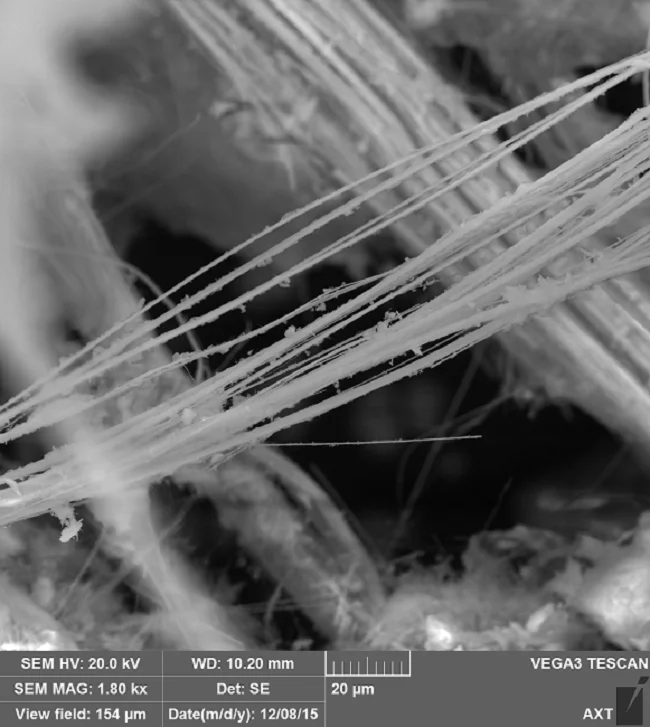
Asbestos refers to a group of naturally occurring minerals made of thin, durable fibers. These fibers resist heat, electricity, and corrosion.
The U.S. Environmental Protection Agency (EPA), the World Health Organization (WHO), and the Occupational Safety and Health Administration (OSHA) all confirm that asbestos exposure can cause serious diseases, including:
- Mesothelioma
- Lung cancer
- Asbestosis
According to the World Health Organization, all forms of asbestos cause cancer in humans. No safe exposure level has been established.
That’s not marketing fear. That’s science.
Why Builders Used Asbestos in Homes
Before regulations tightened in the late 1970s and 1980s, manufacturers added asbestos to thousands of building products. It was cheap. It strengthened materials. It resisted fire.
From a builder’s perspective in 1965, asbestos solved problems.
From today’s perspective, it created them.
The EPA notes that asbestos use peaked in the United States during the 1970s. Many countries later restricted or banned it, but older residential properties still contain asbestos materials.
If your house was built before the 1990s, it may contain asbestos somewhere.
Not always. But possibly.
Where Asbestos Is Commonly Found in Residential Properties
When people hear “asbestos,” they often imagine dusty attic insulation. In reality, asbestos in residential properties shows up in many places.
1. Insulation
- Pipe insulation
- Boiler insulation
- Attic insulation (especially vermiculite products)
The EPA warns that some vermiculite insulation may contain asbestos contamination. The well-known Libby, Montana vermiculite mine supplied insulation to many homes across North America.
2. Flooring Materials
- Vinyl floor tiles (especially 9×9 inch tiles)
- Vinyl sheet flooring backing
- Adhesives (mastic)
Older vinyl tiles often contained asbestos fibers to increase durability.
3. Ceilings
- Popcorn ceilings
- Textured coatings
- Ceiling tiles
Textured ceilings installed before the 1980s frequently contained asbestos.
4. Walls and Siding
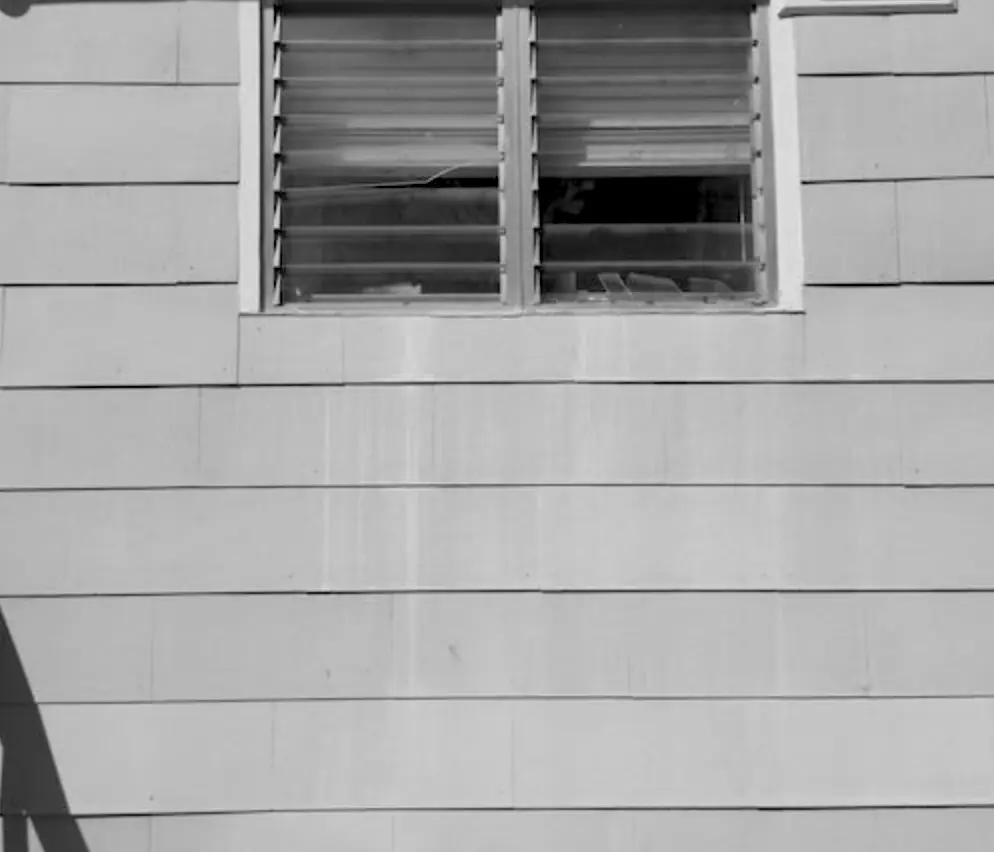
- Asbestos cement siding
- Joint compound (drywall mud)
- Plaster
Cement siding boards with asbestos fibers resist weather damage. Many still remain in homes today.
5. Roofing
- Roofing shingles
- Roofing felt
- Cement roofing sheets
These products offered fire resistance, which builders valued.
The Consumer Product Safety Commission (CPSC) confirms that asbestos appeared in many of these materials before regulatory actions reduced its use.
Is Asbestos in Homes Always Dangerous?
This question matters.
Asbestos becomes dangerous when fibers become airborne and people inhale them. Intact, undisturbed materials often pose lower risk.
The EPA explains that asbestos-containing materials in good condition do not automatically require removal. Damage, drilling, sanding, cutting, or renovation increases the risk of fiber release.
So no, not every older home equals immediate danger.
But careless renovation absolutely increases risk.
How Asbestos Affects Health
Let’s keep this clear and evidence-based.
When someone inhales asbestos fibers, those fibers can lodge deep in the lungs. Over time, they may cause:
- Lung scarring (asbestosis)
- Lung cancer
- Mesothelioma (a rare cancer affecting the lining of the lungs or abdomen)
The Centers for Disease Control and Prevention (CDC) confirms that disease risk increases with:
- Duration of exposure
- Intensity of exposure
- Time since first exposure
Symptoms often appear decades later. That long latency period makes asbestos exposure especially concerning.
You won’t feel it tomorrow. The danger builds silently.
How to Identify Asbestos in Residential Properties
You cannot identify asbestos just by looking at it.
Many asbestos-containing materials look identical to non-asbestos versions. Only laboratory testing can confirm its presence.
The EPA recommends hiring a certified asbestos professional to inspect and collect samples. These samples go to accredited laboratories for analysis.
Do not scrape, sand, or break materials yourself to “check.” That action can release fibers.
If you suspect asbestos:
- Leave the material undisturbed.
- Avoid vacuuming or sweeping debris.
- Contact a licensed professional.
Simple. Calm. Controlled.
When Should You Test for Asbestos?
Testing makes sense in these situations:
- You plan to renovate an older home.
- You notice damaged insulation or ceiling materials.
- You want to buy a pre-1990 property.
- You see crumbling or deteriorating building materials.
Many local regulations require asbestos inspection before demolition or major renovation.
Testing protects you legally and physically.
What Happens During Professional Asbestos Inspection?
A certified inspector will:
- Visually assess suspect materials
- Take small samples using controlled methods
- Seal and label samples
- Send them to accredited laboratories
The National Institute for Occupational Safety and Health (NIOSH) sets standards for testing methods.
Inspectors follow strict safety protocols to prevent contamination during sampling.
This process protects both the homeowner and the inspector.
Asbestos Removal vs. Asbestos Management
Removal sounds dramatic. Sometimes it isn’t necessary.
The EPA explains two main approaches:
1. Encapsulation
Professionals apply a sealant that binds fibers together or coats the material. This method prevents fiber release without removing the material.
2. Enclosure
Contractors build airtight barriers around asbestos-containing materials.
3. Removal
Professionals remove and dispose of materials under strict containment procedures.
Removal carries higher short-term risk because disturbance releases fibers. That’s why trained and licensed professionals must handle it.
Never attempt DIY asbestos removal. OSHA regulations require protective equipment, containment, and disposal procedures.
This is not a weekend project.
Legal Regulations Around Asbestos in Homes
Regulations vary by country and region. However, several global standards guide asbestos management:
- EPA regulates asbestos under the Clean Air Act (U.S.).
- OSHA sets workplace exposure limits.
- WHO calls for elimination of asbestos-related diseases globally.
Many countries have banned asbestos use entirely. Others restrict specific applications.
If you plan renovation or demolition, check your local environmental authority guidelines.
Compliance protects your health and avoids fines.
Buying or Selling a Home with Asbestos
You can legally sell a home that contains asbestos in many regions, provided you disclose known information.
Home inspections may identify suspect materials. Buyers often request testing before closing.
If materials remain intact and professionally managed, many buyers proceed without issue.
Transparency builds trust.
Ignoring it damages reputation and may lead to legal disputes.
Renovating an Older Home? Read This First.
Home improvement shows make demolition look fun. Swing a hammer. Rip out walls. Smile at the camera.
Real life requires caution.
Before renovation in older residential properties:
- Arrange professional asbestos inspection.
- Avoid sanding old floor tiles.
- Do not scrape popcorn ceilings blindly.
- Inform contractors about potential asbestos.
Even minor drilling into old textured surfaces can release fibers.
Plan first. Break later.
Common Myths About Asbestos in Residential Properties
Let’s clear up confusion.
Myth 1: Every old house contains dangerous asbestos.
Not true. Some materials contain asbestos. Others do not.
Myth 2: If asbestos exists, you must remove it immediately.
False. Intact materials may remain safely in place under monitoring.
Myth 3: You can identify asbestos by color or smell.
Impossible. Only lab testing confirms presence.
Myth 4: Small exposure does not matter.
Health agencies state no safe exposure level has been established. Risk increases with exposure, but prevention remains key.
Facts beat fear.
How to Reduce Risk If Asbestos Is Present
If inspection confirms asbestos in residential properties, take these steps:
- Monitor material condition regularly.
- Avoid disturbing affected areas.
- Use professionals for repairs.
- Keep documentation for future buyers.
Knowledge reduces anxiety.
Panic increases mistakes.
The Global Perspective on Residential Asbestos
The WHO estimates that asbestos exposure causes hundreds of thousands of deaths globally each year due to occupational exposure.
While workplace exposure historically caused most cases, residential exposure during renovation or deterioration also contributes to risk.
Public awareness campaigns continue worldwide. Many governments now aim to remove asbestos safely from older buildings.
We cannot rewrite history. But we can manage its consequences responsibly.
The Bottom Line: Should You Worry?
You should stay informed.
You should not panic.
Asbestos in residential properties becomes dangerous when disturbed. Professional assessment and responsible management dramatically reduce risk.
If your home was built before the 1990s, schedule inspection before renovation. If materials remain intact and undisturbed, follow professional guidance.
Simple rule: respect the material.
Frequently Asked Questions
How do I know if my home contains asbestos?
Only laboratory testing can confirm asbestos. Age of construction provides clues but not proof.
Can I live in a house with asbestos?
Yes, if materials remain intact and undisturbed. Many homes contain managed asbestos safely.
Is asbestos banned everywhere?
No. Many countries ban it, but some still allow limited use. Regulations vary.
Does homeowners insurance cover asbestos removal?
Policies differ. Review your insurance documents or contact your provider.
These organizations provide verified data on asbestos risks, regulation, and management.