
Why Modern Swimwear Is Moving Beyond Mesh Linings
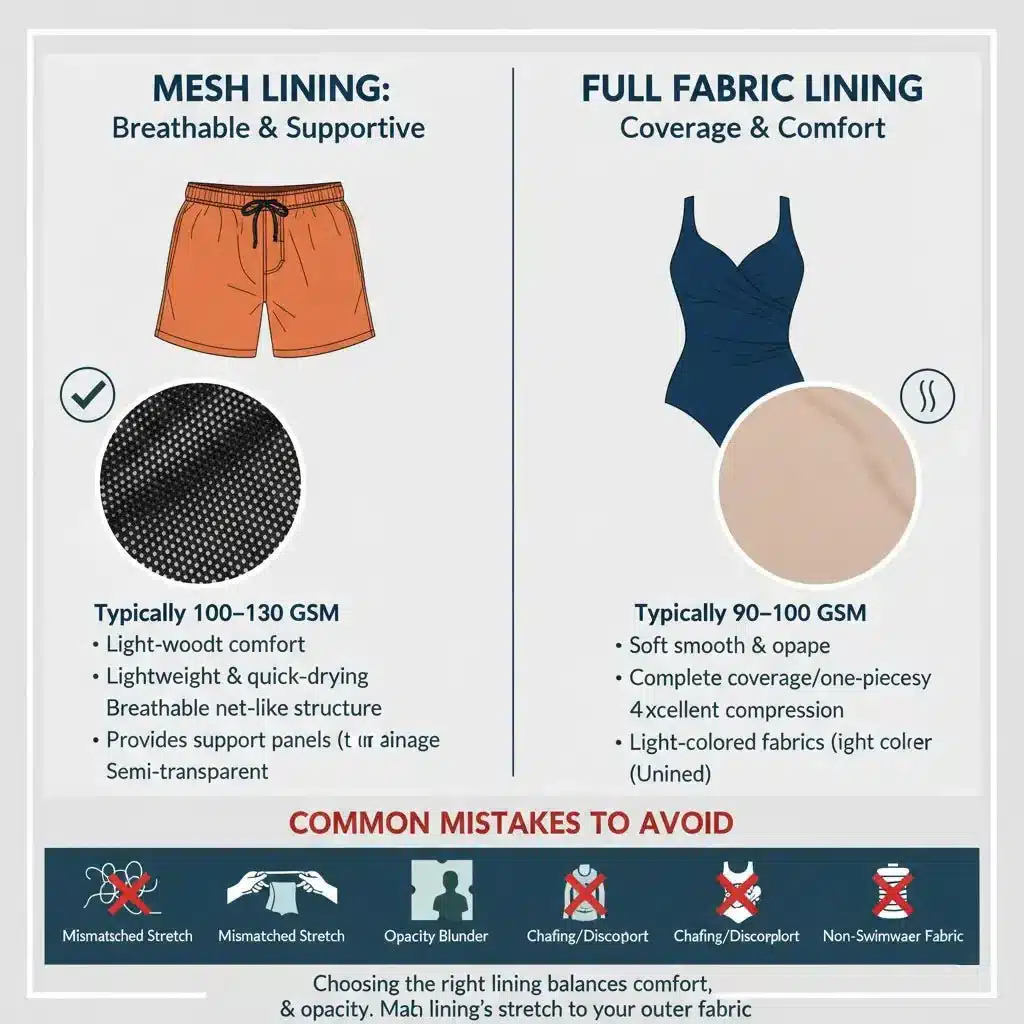
For years, mesh lining has been a standard feature in swimwear—especially in men’s swim trunks. If you’ve ever worn a pair, you probably remember that slightly scratchy, sometimes awkward inner netting that’s supposed to provide support. It’s been around for decades, and for a long time, no one really questioned it.
But things are changing.
Today, modern swimwear is evolving, and more people are starting to realize that comfort, performance, and versatility matter just as much as style. From beachgoers to athletes, and even professionals who spend long hours outdoors, there’s a growing shift away from traditional mesh linings toward smarter, more comfortable alternatives.
So what’s behind this change? And why are so many people ditching mesh altogether?
Let’s take a closer look.
The Problem with Traditional Mesh Linings
Mesh linings were originally designed with a simple goal: to provide breathability and support while swimming. In theory, it sounds great. In practice, it doesn’t always feel that way.
If you’ve ever spent a full day at the beach or pool, you’ve likely experienced some of the downsides. The mesh can feel rough against the skin, especially when it dries out. After swimming, it tends to trap sand or salt, which can lead to irritation. And during movement—whether walking, running, or playing sports—it can cause chafing.
Chafing, in simple terms, is when skin repeatedly rubs against fabric or itself, causing discomfort or even small rashes. It’s not just a minor inconvenience. For some people, it can ruin an otherwise enjoyable day.
This isn’t just limited to leisure activities. Think about lifeguards, surf instructors, or even beach vendors who are constantly on their feet. They need clothing that supports long hours of movement without causing irritation. Traditional mesh linings often fall short in these situations.
It’s a bit like wearing outdated office chairs that look fine but don’t support your back. Once you experience something better, it’s hard to go back.
A Shift Toward Comfort and Performance
As people become more conscious about comfort in everyday life—whether it’s ergonomic chairs, breathable fabrics, or better footwear—swimwear is naturally following the same path.
Modern swimwear is now being designed with performance in mind. Instead of relying on mesh, many brands are introducing compression-style liners. These are soft, stretchable inner layers that feel more like athletic wear than traditional swim trunks.
If you’ve ever worn gym compression shorts, you already have an idea of how they feel. They fit snugly, reduce friction, and move with your body. This makes a big difference, especially during activities like swimming, beach volleyball, or even just walking along the shore.
The concept isn’t new—it’s already widely used in sportswear. Runners, cyclists, and basketball players have long relied on compression garments to improve comfort and reduce muscle strain. Bringing that same idea into swimwear is simply a natural progression.
And it’s not just about physical comfort. There’s also a psychological aspect. When something feels good to wear, you’re more confident and more likely to stay active. That’s something industries like fitness and wellness have understood for years.
Everyday Versatility: From Beach to Beyond
One of the biggest reasons for this shift is versatility.
Modern lifestyles are no longer confined to one activity at a time. You might start your day with a swim, grab lunch at a nearby café, and later go for a walk or even a light workout. Changing outfits multiple times isn’t always practical.
This is where modern swimwear stands out. Without the discomfort of mesh, these pieces are designed to transition seamlessly between different settings.
For example, someone on vacation might wear the same pair of swim shorts from the pool to a casual dinner by the beach. A dad playing with his kids in the water can easily move to a quick errand run without feeling out of place. Even travelers appreciate packing fewer items when one piece of clothing can serve multiple purposes.
In industries like travel and hospitality, this kind of versatility is highly valued. Hotels, resorts, and tour operators often cater to guests who want convenience without sacrificing comfort or style. Swimwear that feels good all day fits perfectly into that lifestyle.
If you’re curious about exploring this newer approach to swimwear design, you can click here to see how modern options are built differently from traditional ones.
Better Materials, Better Experience
Another major factor driving the move away from mesh is the improvement in fabric technology.
Today’s materials are designed to be lightweight, quick-drying, and highly breathable. They wick moisture away from the skin, which simply means they help keep you dry and comfortable. Unlike older fabrics, they don’t hold onto water or stay damp for long periods.
This is especially important in humid environments or during long days outdoors. No one wants to sit in wet, uncomfortable clothing.
In addition, modern fabrics often include stretch properties, allowing for greater freedom of movement. Whether you’re swimming laps, playing beach sports, or just relaxing, the fabric adapts to your body instead of restricting it.
You can think of it like the evolution of athletic shoes. Years ago, shoes were heavier and less flexible. Today, they’re lighter, more responsive, and designed to support natural movement. Swimwear is going through a similar transformation.
There’s also a growing focus on durability. High-quality materials resist wear and tear, meaning they last longer even with frequent use. This is particularly appealing for people who want value for their money without compromising on comfort.
A Reflection of Changing Expectations
At its core, the move beyond mesh linings reflects a broader shift in consumer expectations.
People are no longer satisfied with “good enough.” Whether it’s clothing, technology, or everyday products, there’s a demand for better design, better comfort, and better functionality.
This shift can be seen across many industries. In the automotive world, drivers expect smoother rides and smarter features. In tech, users want faster, more intuitive devices. And in fashion, comfort has become just as important as appearance.
Swimwear is simply catching up.
Consumers today are more informed and more willing to invest in products that enhance their daily experiences. They’re asking questions like:
- Does this feel good all day?
- Can I use this in multiple situations?
- Is it worth the price based on comfort and quality?
Traditional mesh linings don’t always meet these expectations anymore. And as better alternatives become available, the shift becomes inevitable.
Final Thoughts
The move away from mesh linings isn’t just a trend—it’s a response to real needs.
People want swimwear that feels good, performs well, and fits into their everyday lives. They want to enjoy their time at the beach, pool, or wherever they go without dealing with discomfort or irritation.
By embracing better materials and smarter designs, modern swimwear is delivering exactly that.
And once you experience the difference, it’s hard to go back.