Key Factors When Planning for AC Replacement
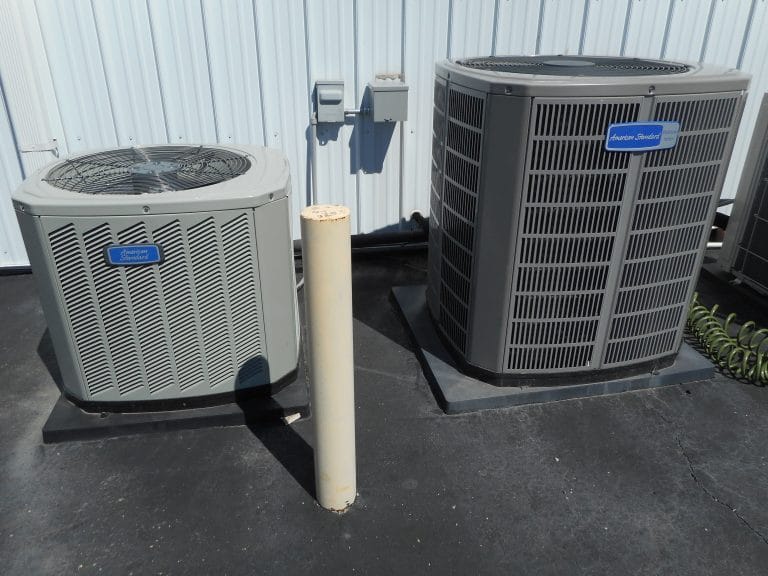
Planning your AC replacement helps make sure the new system aligns with your home’s layout and energy-efficiency needs, promoting optimal long-term performance. Begin the preparation process if your current unit fails during peak usage or if you notice repeated mechanical breakdowns. This can help prevent prolonged AC downtime, and it helps you maintain your home’s indoor comfort. Here are several key factors to evaluate when planning for an AC replacement:
Current System Age and Condition
The age and condition of your current AC unit directly affect its efficiency and long-term reliability; this makes them significant factors in replacement decisions. Older units tend to have a higher likelihood of mechanical issues due to prolonged wear on components such as heat exchangers, capacitors, and compressors. Because of this deterioration, the system may fail to meet your home’s cooling load, making replacement a smarter choice.
Age and condition also influence an AC unit’s energy-efficiency ratings. Older units with worn coils, compressors, or corroded connections may require replacement, and many newer models offer higher Seasonal Energy Efficiency Ratio (SEER) ratings. Higher ratings indicate increased efficiency and energy savings. Replacement is also a practical option if your system has mismatched indoor coils or air handlers. Some new AC models feature improved return air pathways for more efficient, even distribution of cool air indoors. Check your unit’s manufacture date on the label; if it’s over ten years old, its lower SEER rating may warrant replacement for optimal cooling performance.
Review the number of major electrical component replacements, compressor or coil repairs, and refrigerant refills over the past several years. This provides insight into your system’s repair patterns and service history, and it helps you determine whether replacement is a viable option. Cooling performance and runtime can also guide your decision. AC replacement is sometimes more appropriate if your unit runs unusually long, short-cycles frequently, or fails to reach the desired indoor temperature.
System Sizing and Load Requirements
Proper system sizing and load requirements are key to selecting an air conditioner that fits your home’s precise cooling needs. A system that matches actual cooling demands promotes efficiency and indoor comfort, minimizing the urgency for replacement. An oversized unit tends to short-cycle, while an undersized one may run continuously and fail to cool properly. Both short cycling and extended run times increase wear on compressors or heat exchangers, and they also impact home humidity levels. Load requirements help determine whether a new unit can efficiently distribute cool air and maintain balanced indoor temperatures.
Replace an old, oversized AC unit with a smaller, more efficient one if new windows or added insulation have reduced your home’s load requirements. A properly sized air conditioner may also be a better option when load calculations reveal airflow imbalances in the current system. For accurate load calculations and effective replacement planning, work with a professional and assess factors such as insulation, square footage, and ceiling height.
Refrigerant Type
New AC models are designed for specific refrigerants, and mismatching them may increase the risk of mechanical strain and reduced energy efficiency. A system matched with the correct refrigerant is able to achieve better heat transfer in modern coils and compressors. Refrigerant type can also influence the design of the condenser and evaporator coils. Because compressors are not compatible across different refrigerant types, switching refrigerants typically requires a full system replacement.
Smart Features Integration
A new AC unit with smart integration is able to adapt seamlessly to your home’s cooling patterns, and this can help prevent breakdowns during peak heat. Air conditioners with smart integration use real-time diagnostics to enable ongoing monitoring of key metrics such as refrigerant levels and airflow in your home. Enhanced zoning control also makes smart integration a key factor when planning an air conditioner replacement. Some new models integrated with smart features can regulate room-specific temperatures based on occupancy, unlike older AC units.
Replacement is a viable option if your current air conditioning infrastructure doesn’t support smart features. AC infrastructure includes thermostat compatibility, wiring, and control boards. To enhance efficiency and control, you may look for a new system that is compatible with:
- Smart thermostats
- Zoning control systems
- Remote access and mobile app control
- Occupancy and motion detection
- Energy usage monitoring
Hire Expert AC Replacement Services
Properly planning an AC replacement helps prevent disruptions to your home’s airflow and temperature control. It also makes sure you receive a new AC unit that is fully compatible with your home’s electrical infrastructure and heating system, such as a furnace, for safe and efficient operation. Contact a reputable heating and cooling company to schedule your AC replacement.