6 Everyday HR Tasks That Can Be Automated
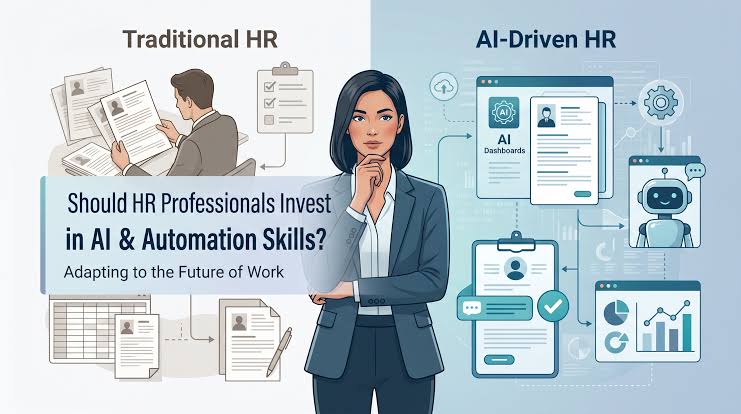
A surprising share of an HR team’s week goes toward tasks that are repetitive, predictable, and, frankly, a poor use of skilled people’s time. Modern hr software has gotten good enough at handling these routine responsibilities that manually managing them increasingly looks like a choice rather than a necessity.
Time-Off Requests and Approvals
Manually tracking vacation requests through email or paper forms is slow and easy to lose track of. Automated systems through platforms like Dayforce let employees submit requests directly, route them to the right approver, and update balances instantly. That immediacy avoids the scheduling conflicts that come from approvals getting buried in someone’s inbox.
New Hire Paperwork
Collecting tax forms, direct deposit details, and policy acknowledgments by hand is time-consuming for both HR and new employees. Digital onboarding workflows collect everything electronically, often before an employee’s first day even begins. That head start lets new hires focus on getting oriented rather than filling out paperwork on day one.
Benefits Enrollment Reminders
Chasing down employees who haven’t completed open enrollment used to mean manual emails and follow-up calls. Automated reminders and enrollment tracking handle this without requiring HR to monitor the process manually. The result is typically a higher completion rate with far less manual chasing involved.
Compliance Training Assignments
Assigning and tracking required training manually across a growing workforce is easy to fall behind on. Automated systems assign training based on role or location and flag anyone who hasn’t completed it. That automatic tracking also creates a clear compliance record if training completion is ever questioned.
Routine Reporting
Pulling together headcount, turnover, or overtime reports by hand each month eats up hours that could go toward more valuable work. Automated dashboards generate this data continuously, without requiring manual compilation. That time savings adds up considerably over the course of a full year.
Employee Data Updates
Updating an address, emergency contact, or marital status manually creates unnecessary back-and-forth between employees and HR. Self-service tools let employees make these updates directly, with changes reflected across connected systems immediately. That immediate sync also reduces the risk of outdated information lingering in payroll or benefits records.
None of this automation eliminates the need for HR judgment on more complex, people-focused issues, and that’s exactly the point. Automating the repetitive, predictable tasks frees up time for the parts of HR that genuinely benefit from a human perspective, rather than spreading that same limited time thin across everything at once. The businesses that get the most value from HR technology tend to be the ones that use it to protect time for the work automation can’t replace.