
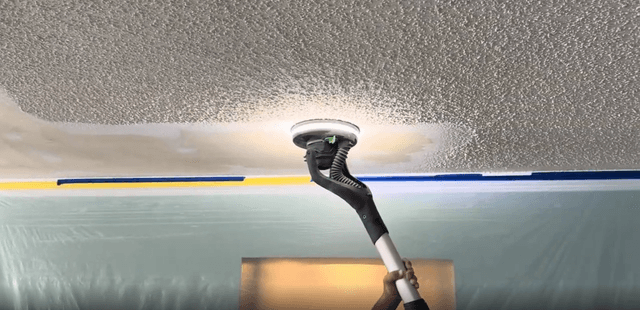

A damaged ceiling can quickly become one of the most noticeable problems in a home. Cracks, stains, peeling texture, and water damage not only affect appearance but can also signal underlying issues that need attention. For homeowners dealing with these concerns, popcorn ceiling repair is often the most effective way to restore the ceiling without completely replacing it.
Popcorn ceilings were widely used for decades because they helped hide imperfections and added texture to large ceiling surfaces. However, like any interior finish, they can deteriorate over time. When damage occurs, proper popcorn ceiling repair can restore the ceiling’s appearance while maintaining a consistent texture throughout the room.
What Causes Popcorn Ceiling Damage?
Several factors can contribute to ceiling deterioration. Understanding the cause is the first step toward selecting the right repair approach.
Water Damage
Water is one of the most common reasons homeowners require popcorn ceiling repair. Roof leaks, plumbing issues, and condensation can cause staining, sagging, or texture loss.
Even after the moisture source has been fixed, the ceiling often requires repair to restore its original appearance.
Cracks and Settling
Homes naturally expand and contract throughout the year. As a result, small cracks may develop in ceilings over time. While minor cracks are common, they can become more visible if left untreated.
Impact Damage
Accidental contact during renovations, moving furniture, or home maintenance projects can damage textured ceilings. Unlike smooth ceilings, popcorn textures require specialized repair methods to maintain a uniform look.
Aging and Wear
As ceilings age, the texture may become brittle and begin to loosen or flake away. In these situations, popcorn ceiling repair helps extend the life of the existing ceiling.
Signs That Your Ceiling Needs Repair
Some ceiling issues are obvious, while others develop gradually.
Visible Stains
Brown or yellow stains often indicate previous or active moisture problems.
Missing Texture
Areas where the popcorn texture has fallen away can create noticeable patches that disrupt the ceiling’s appearance.
Cracks and Surface Separation
Cracks that continue to grow or spread should be evaluated and repaired before they become more extensive.
Uneven Appearance
When portions of the ceiling look different from surrounding areas, professional popcorn ceiling repair may be necessary to restore consistency.
The Popcorn Ceiling Repair Process
Repairing a textured ceiling requires more than simply applying new material. The goal is to create a repair that blends naturally with the surrounding texture.
Step 1: Inspect the Damage
The repair process begins by identifying the cause and extent of the problem. This helps determine whether a simple repair or more extensive restoration is required.
Step 2: Remove Damaged Material
Loose texture, damaged drywall, or compromised ceiling material must be removed before repairs begin.
Step 3: Repair the Surface
Any underlying drywall damage is repaired first. A stable surface is essential for successful popcorn ceiling repair.
Step 4: Recreate the Texture
Matching the existing texture is often the most challenging part of the process. Proper application techniques help ensure the repaired area blends with the surrounding ceiling.
Step 5: Finishing and Painting
Once the texture has dried completely, the ceiling can be primed and painted if necessary to achieve a uniform appearance.
Challenges of Matching Existing Texture
One reason homeowners seek professional popcorn ceiling repair is the difficulty of texture matching.
Texture Size and Density
Older ceilings often have unique texture patterns that can be difficult to duplicate exactly.
Aging Effects
Over time, dust accumulation and paint layers can slightly alter the appearance of the original texture.
Lighting Conditions
Natural and artificial lighting can make even small inconsistencies more noticeable. Careful blending helps minimize visible repair lines.
Preventing Future Ceiling Damage
While some ceiling issues are unavoidable, regular maintenance can reduce the likelihood of major repairs.
Address Leaks Immediately
Promptly repairing roof or plumbing leaks helps prevent moisture-related ceiling damage.
Monitor Indoor Humidity
Excess humidity can affect ceiling materials over time. Maintaining balanced indoor conditions helps protect textured surfaces.
Perform Regular Inspections
Checking ceilings periodically allows homeowners to identify small issues before they become larger problems requiring extensive popcorn ceiling repair.
Repair or Replace?
In some cases, repair is the most practical solution. Small damaged sections, isolated cracks, and minor texture loss can often be restored successfully.
However, widespread deterioration, extensive water damage, or multiple previous repairs may make replacement a better long-term option. Evaluating the condition of the entire ceiling helps determine the most effective approach.
Benefits of Professional Popcorn Ceiling Repair
A properly repaired ceiling offers several advantages:
Improved Appearance
A seamless repair helps restore the visual appeal of the room.
Extended Ceiling Life
Timely repairs can prevent further deterioration and reduce the need for premature replacement.
Better Property Presentation
Well-maintained ceilings contribute to a cleaner and more attractive interior environment.
Consistent Texture
Professional popcorn ceiling repair focuses on matching existing texture patterns to create a cohesive appearance.
Conclusion
Damaged ceilings can affect both the beauty and condition of a home. Whether the problem involves cracks, water stains, missing texture, or aging materials, professional popcorn ceiling repair helps restore the ceiling while preserving its original character. By addressing issues early and using proper repair techniques, homeowners can maintain attractive ceilings that continue to perform well for years to come.