Asbestos Testing Laboratory: Accurate Results That Protect Health and Property
Asbestos is one of those words that instantly raises concern and for good reason. Found in thousands of older buildings, asbestos fibers can seriously harm human health when disturbed. That’s why an asbestos testing laboratory plays such a critical role. I don’t know. It doesn’t assume. It tests, verifies, and delivers facts.
Whether you’re a homeowner planning a renovation, a contractor working on an older structure, or a property manager responsible for safety, reliable asbestos testing gives you clarity. And clarity saves lives, money, and legal trouble.
This guide explains what an asbestos testing laboratory does, how it works, why accreditation matters, and how to choose the right lab, using verified information from trusted authorities like the EPA, WHO, OSHA, and ISO standards.
What Is an Asbestos Testing Laboratory?
An asbestos testing laboratory is a certified facility that analyzes materials or air samples to determine the presence and type of asbestos fibers.
These laboratories use scientifically validated methods, specialized microscopes, and trained analysts to identify asbestos accurately. Results from a legitimate lab form the basis for:
- Renovation decisions
- Demolition planning
- Workplace safety compliance
- Legal and insurance documentation
In short, an asbestos testing lab provides evidence, not opinions.
Why Asbestos Testing Still Matters Today
Many people assume asbestos is a thing of the past. It isn’t.
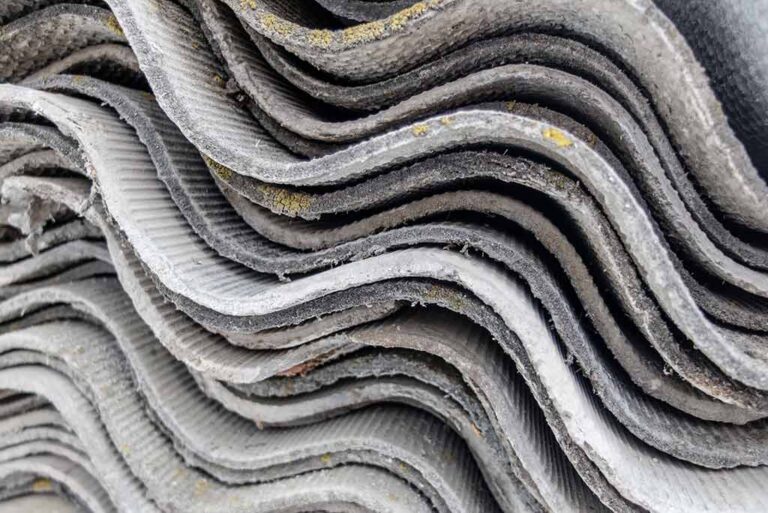
According to global health authorities, asbestos still exists in millions of buildings constructed before the 1990s. Materials such as insulation, floor tiles, cement sheets, roofing, and pipe coverings often contain asbestos.
When these materials remain intact, they usually pose low risk. Problems start when people drill, cut, sand, or demolish them.
An asbestos testing laboratory helps answer one simple but vital question:
“Is asbestos present here—yes or no?”
That answer determines every next step.
Health Risks Linked to Asbestos Exposure
Medical research consistently links asbestos exposure to severe diseases. The World Health Organization (WHO) and U.S. Environmental Protection Agency (EPA) recognize asbestos as a known carcinogen.
Health conditions associated with asbestos exposure include:
- Mesothelioma (a rare and aggressive cancer)
- Lung cancer
- Asbestosis (chronic lung scarring)
- Pleural diseases
These illnesses often develop years or decades after exposure. That delay makes prevention even more important than treatment.
Testing doesn’t remove asbestos but it prevents accidental exposure.
How an Asbestos Testing Laboratory Works
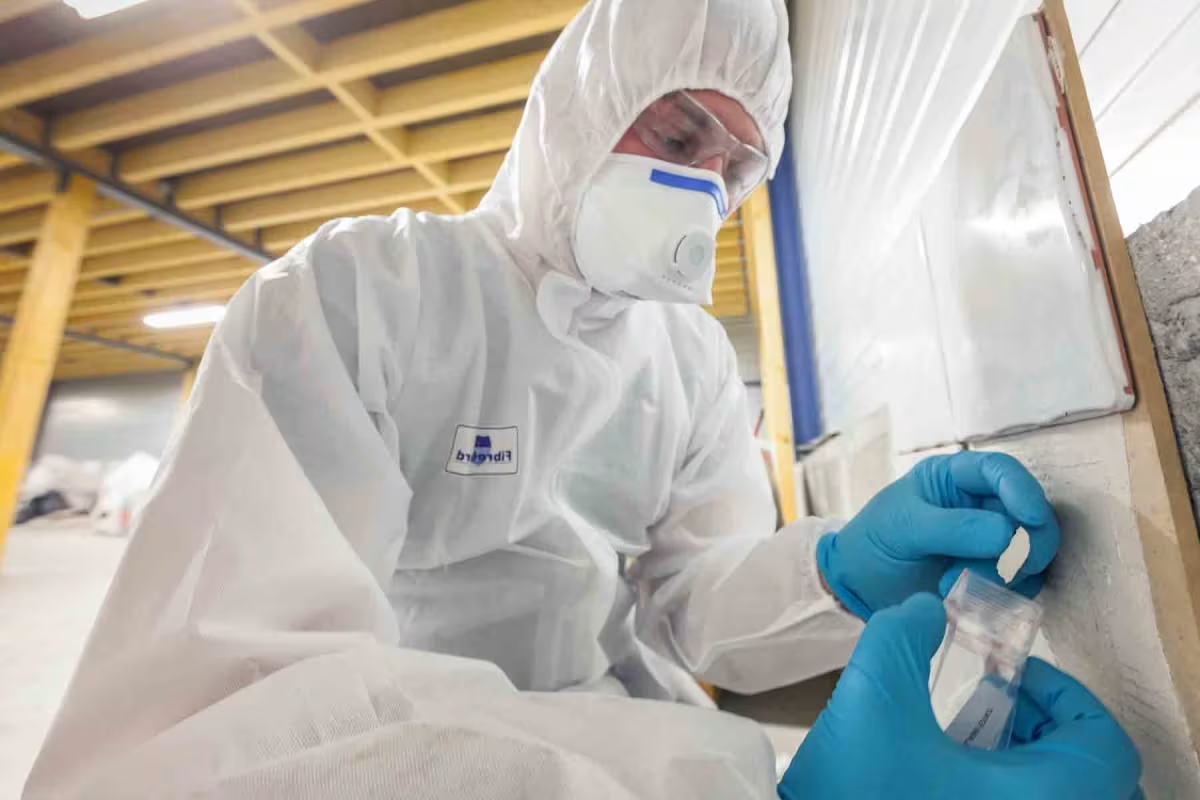
Step 1: Sample Collection
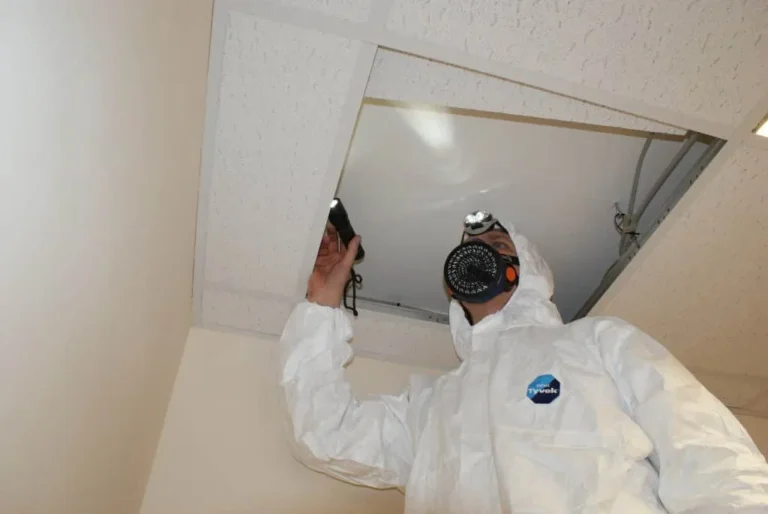
A trained professional collects samples from suspect materials such as:
- Ceiling textures
- Vinyl floor tiles
- Pipe insulation
- Cement boards
- Roofing materials
Proper sampling matters. Poor collection can contaminate results or release fibers.
Step 2: Laboratory Analysis
Once samples arrive at the asbestos testing laboratory, analysts examine them using approved methods.
Common analytical techniques include:
Polarized Light Microscopy (PLM)
- Widely used for bulk material testing
- Recommended by the EPA
- Identifies asbestos type and percentage
Transmission Electron Microscopy (TEM)
- Extremely sensitive
- Detects very small fibers
- Often used for air and dust samples
Phase Contrast Microscopy (PCM)
- Used mainly for occupational air monitoring
- Counts fibers but does not identify type
Each method serves a specific purpose. Accredited labs choose methods based on sample type and regulatory needs.
Step 3: Reporting Results
A professional asbestos testing laboratory provides:
- Clear identification of asbestos type
- Percentage or fiber concentration
- Testing method used
- Analyst and accreditation details
Good reports stay easy to read. No drama. No confusing language. Just facts.
Types of Asbestos Testing Services
A reliable asbestos testing laboratory typically offers several testing categories.
Bulk Material Testing
Tests solid materials like tiles, insulation, and cement products.
Air Monitoring
Measures airborne asbestos fibers during or after removal work.
Soil and Dust Testing
Used around demolition sites or contaminated land.
Clearance Testing
Confirms that an area is safe after asbestos removal.
Each service supports a different stage of risk management.
Why Laboratory Accreditation Matters
Not all labs meet the same standards. Accreditation separates trustworthy labs from risky shortcuts.
Reputable asbestos testing laboratories follow standards such as:
- ISO/IEC 17025 (international laboratory competence standard)
- EPA National Voluntary Laboratory Accreditation Program (NVLAP)
- AIHA Laboratory Accreditation Programs (AIHA-LAP)
Accredited labs undergo:
- Regular audits
- Proficiency testing
- Method verification
- Staff competency checks
If a lab lacks accreditation, its results may fail legal or regulatory review.
Who Needs an Asbestos Testing Laboratory?
Asbestos testing doesn’t apply to just one group.
Homeowners
Before remodeling or buying older homes.
Contractors and Builders
To comply with safety laws and avoid project delays.
Property Managers
To manage long-term risk in commercial buildings.
Employers
To protect workers and meet occupational health standards.
Real Estate Professionals
To disclose accurate information during property transactions.
Testing supports smarter decisions at every level.
Legal and Regulatory Importance of Asbestos Testing
Many countries enforce strict asbestos regulations. Authorities like OSHA and the EPA require proper identification before disturbance.
Failure to test can lead to:
- Heavy fines
- Project shutdowns
- Legal claims
- Health liabilities
An asbestos testing laboratory provides defensible documentation. That paperwork protects businesses and individuals when compliance questions arise.
How to Choose the Right Asbestos Testing Laboratory
Not all labs deliver the same quality. Use these criteria when choosing:
- Verified accreditation credentials
- Transparent testing methods
- Clear turnaround times
- Detailed, readable reports
- Experienced analysts
- Strong chain-of-custody procedures
If a lab promises instant results with no documentation, walk away. Science doesn’t rush.
Common Myths About Asbestos Testing
“Only old factories have asbestos”
False. Homes, schools, and offices often contain asbestos materials.
“Visual inspection is enough”
Wrong. Asbestos fibers remain invisible to the naked eye.
“DIY test kits replace laboratories”
DIY kits still require lab analysis to confirm results.
Testing replaces guesswork with evidence.
Cost of Asbestos Testing: What Affects Pricing?
Prices vary based on:
- Sample type
- Testing method
- Turnaround time
- Number of samples
Accredited asbestos testing laboratories focus on accuracy—not cheap shortcuts. Reliable results cost less than legal trouble or health risks.
The Role of Asbestos Testing in Renovation and Demolition
Before renovation or demolition, asbestos testing becomes a safety checkpoint.
Testing helps to:
- Identify hazardous materials early
- Plan safe removal strategies
- Protect workers and occupants
- Avoid unexpected project delays
Skipping testing often leads to bigger problems later.
Asbestos Testing and Environmental Responsibility
Asbestos testing laboratories also support environmental safety. Improper handling spreads fibers into soil, air, and water.
Testing guides responsible disposal and containment, reducing long-term environmental harm.
Science-backed testing equals responsible construction.
Final Thoughts: Why a Trusted Asbestos Testing Laboratory Matters
Asbestos testing is not about fear, it’s about facts.
A professional asbestos testing laboratory delivers clarity in situations where assumptions can cause harm. With accredited methods, trained analysts, and transparent reporting, testing becomes a tool for protection not panic.
If safety, compliance, and trust matter to your project, proper asbestos testing should never feel optional.