

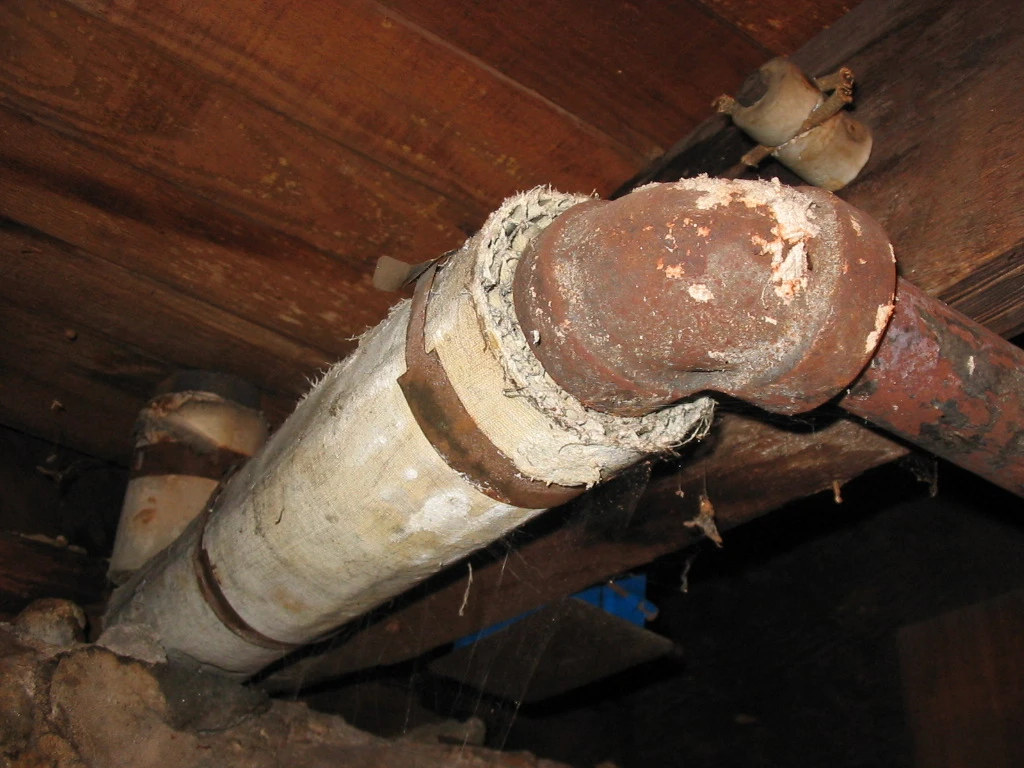
Asbestos sounds like one of those problems you hope belongs to someone else. Unfortunately, in older parts of New Jersey including Sandyston Township it often doesn’t.
If your home was built before the 1980s, asbestos may still be hiding in plain sight. You can’t smell it. You can’t see it. And guessing doesn’t count as a safety plan.
That’s where professional asbestos testing in Sandyston, NJ becomes essential, not dramatic, not optional, just smart.
This guide explains what asbestos testing really involves, why it matters in Sussex County, when to test, and how to do it the right way, using verified facts and trusted sources. No scare tactics. No myths. Just clarity.
What Is Asbestos and Why It Still Exists in Sandyston, NJ
Asbestos refers to a group of naturally occurring mineral fibers once praised for their strength and heat resistance. Builders loved it. Fire loved it less. Lungs hated it.
From the 1940s through the late 1970s, asbestos appeared in:
- Insulation
- Roofing materials
- Floor tiles
- Cement siding
- Pipe wraps
- Textured ceilings
Sandyston, like much of rural and suburban New Jersey, has homes built during this exact window. Many remain structurally sound—but their materials reflect older construction standards.
According to the U.S. Environmental Protection Agency (EPA), asbestos becomes dangerous only when fibers become airborne. That typically happens during renovation, demolition, or material damage.
So no, asbestos won’t leap off your walls. But if disturbed, it won’t ask permission either.
Why Asbestos Testing in Sandyston, NJ Is Not Optional
Asbestos exposure links directly to serious health conditions, including:
- Mesothelioma
- Lung cancer
- Asbestosis
These diseases don’t show up overnight. They often take 20 – 40 years to develop, which makes early prevention critical.
The Centers for Disease Control and Prevention (CDC) and the Agency for Toxic Substances and Disease Registry (ATSDR) both confirm that there is no safe level of asbestos exposure.
Testing doesn’t mean panic. It means certainty.
In Sandyston, testing matters because:
- Many homes predate asbestos regulations
- Renovation activity has increased
- DIY projects often disturb hidden materials
- Real estate transactions require disclosure
Ignoring asbestos doesn’t make it disappear. Testing gives you control.
Common Places Asbestos Is Found in Sandyston Homes
Asbestos doesn’t announce itself. It blends in like a bad houseguest.
Interior Materials That Often Contain Asbestos
- Vinyl floor tiles and adhesive
- Popcorn or textured ceilings
- Furnace and boiler insulation
- Pipe wraps in basements
- Cement board behind walls
Exterior Materials to Watch
- Cement siding (especially shingles)
- Roofing felt and flashing
- Old window caulking
- Exterior insulation panels
The New Jersey Department of Environmental Protection (NJDEP) confirms that many of these materials remain legal only if undisturbed.
That’s the key word: undisturbed.
When You Should Schedule Asbestos Testing in Sandyston, NJ
You don’t need to test every house just because it’s old. Timing matters.
You Should Test If:
- Your home was built before 1980
- You plan to renovate or remodel
- You notice damaged insulation or tiles
- You’re buying or selling a property
- A contractor requests testing before work
You Don’t Need Immediate Testing If:
- Materials remain intact
- No renovation is planned
- No visible damage exists
The EPA advises testing before disturbance, not after regret.
How Professional Asbestos Testing Works
Asbestos testing is a controlled, methodical process. It does not involve guesswork or home kits from questionable sources.
Step 1: On-Site Inspection
A licensed asbestos professional inspects areas likely to contain asbestos. They look for age, condition, and material type.
Step 2: Sample Collection
The inspector carefully collects small material samples using safety procedures that limit fiber release.
No hammering. No chaos.
Step 3: Laboratory Analysis
Samples go to an accredited laboratory, where analysts use Polarized Light Microscopy (PLM) or Transmission Electron Microscopy (TEM).
These methods follow EPA and ASTM standards.
Step 4: Clear Results
You receive a report showing:
- Whether asbestos is present
- The percentage of asbestos fibers
- Material condition
- Recommended next steps
Clear data beats assumptions every time.
Understanding Asbestos Test Results Without Losing Sleep
Not all asbestos findings demand removal. That’s a common misunderstanding.
If Asbestos Is Present but Intact
- No immediate action may be needed
- Monitoring may be recommended
- Encapsulation can reduce risk
If Asbestos Is Damaged or Friable
- Professional abatement may be required
- DIY removal is unsafe and often illegal
- NJDEP regulations apply
The EPA strongly discourages untrained individuals from handling asbestos-containing materials. This isn’t a YouTube project.
Asbestos Testing vs. Asbestos Abatement: Know the Difference
Testing and removal serve different roles.
Asbestos Testing
- Identifies asbestos presence
- Involves inspection and lab analysis
- Does not disturb large areas
Asbestos Abatement
- Removes or seals asbestos materials
- Requires licensed contractors
- Follows strict containment rules
In New Jersey, abatement must follow state and federal regulations, including proper disposal at approved facilities.
Testing comes first. Action comes second.
Legal and Regulatory Requirements in New Jersey
New Jersey takes asbestos seriously, and for good reason.
Key regulations come from:
- EPA
- OSHA
- NJDEP
These agencies require:
- Testing before demolition or renovation
- Licensed professionals for removal
- Proper waste handling and disposal
- Disclosure during real estate transactions
Skipping testing can delay permits, halt projects, and create legal headaches that cost more than doing it right the first time.
Why DIY Asbestos Testing Is a Bad Idea
DIY asbestos kits promise convenience. They rarely deliver accuracy or safety.
Problems include:
- Improper sampling
- Fiber release during collection
- Unreliable labs
- Misinterpreted results
The CDC states that improper handling increases exposure risk, even with small samples.
Saving money shouldn’t mean gambling with your lungs.
How to Choose the Right Asbestos Testing Professional in Sandyston, NJ
Not all inspectors operate at the same level. Choose carefully.
Look for Professionals Who:
- Hold New Jersey licensing
- Use accredited laboratories
- Follow EPA sampling protocols
- Provide written reports
- Explain results clearly
Avoid anyone who pushes removal before testing. That’s not expertise that’s sales.
Costs of Asbestos Testing in Sandyston, NJ
Costs vary based on:
- Number of samples
- Size of property
- Accessibility of materials
Testing often costs far less than abatement and significantly less than fixing exposure-related mistakes.
Think of testing as insurance for your renovation budget and your health.
Asbestos and Real Estate in Sandyston Township
If you’re buying or selling property, asbestos matters.
Sellers must disclose known asbestos presence. Buyers should request testing, especially in older homes.
Testing protects:
- Property value
- Negotiation leverage
- Future renovation plans
No one enjoys surprises during escrow, especially mineral-based ones.
Trusted Sources Behind This Information
This article relies on guidance and data from:
- U.S. Environmental Protection Agency (EPA)
- Centers for Disease Control and Prevention (CDC)
- Agency for Toxic Substances and Disease Registry (ATSDR)
- New Jersey Department of Environmental Protection (NJDEP)
These agencies set national and state standards for asbestos safety, testing, and exposure prevention.
Final Thoughts
Asbestos testing doesn’t mean your home is unsafe. It means you’re informed.
Sandyston has beautiful homes, strong communities, and plenty of properties built during asbestos-heavy years. Testing simply helps modern homeowners manage old materials responsibly.
No panic. No shortcuts. Just facts, data, and smart decisions.
If you plan to renovate, buy, sell, or simply want peace of mind, professional asbestos testing in Sandyston, NJ is the logical first step.
And logic, unlike asbestos, ages very well.